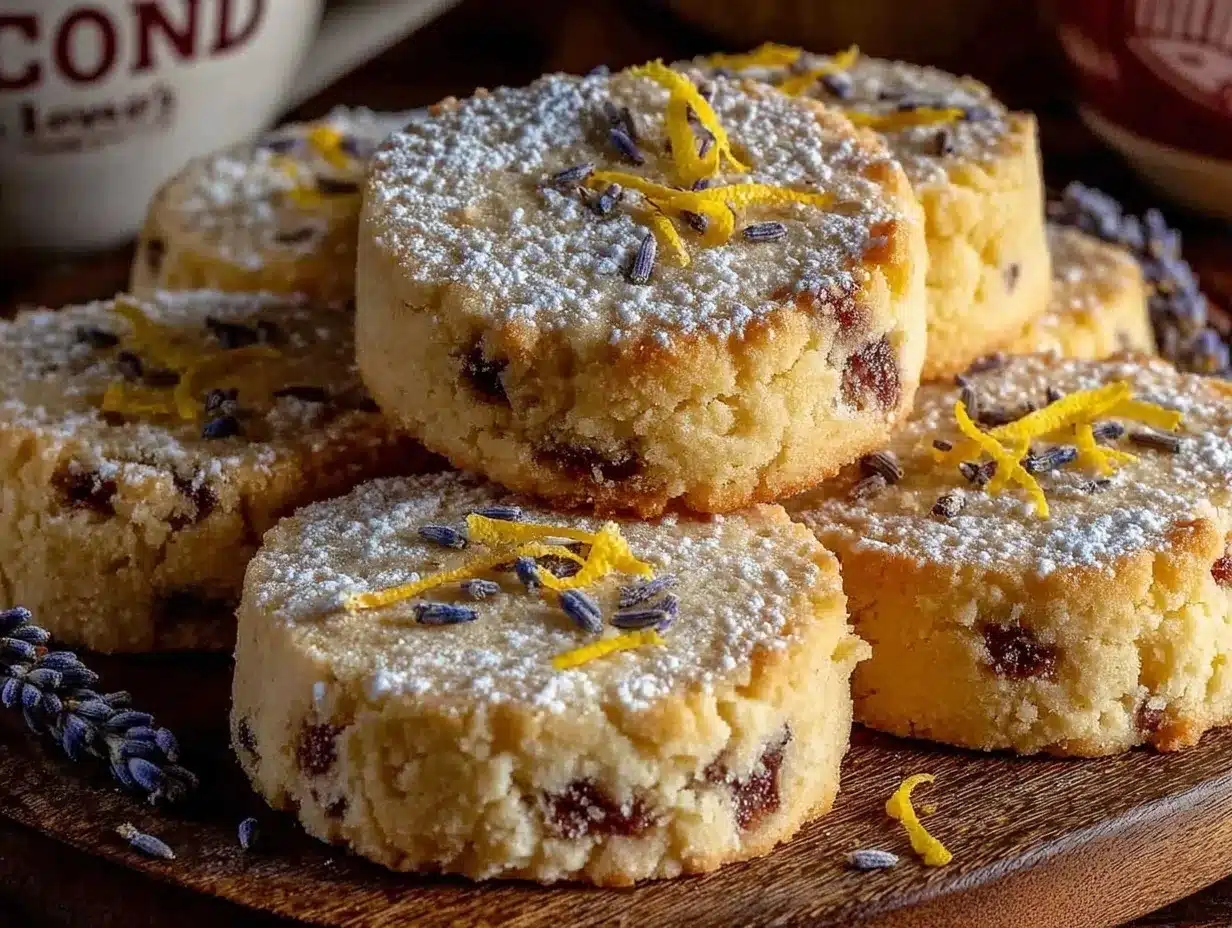
Crumbly, and that’s the whole point. The way these lemon lavender shortbread cookies break apart under your fingertips, sending little buttery flakes drifting like tiny snowflakes, is exactly what made me fall for this recipe. It’s not just about flavor here—though the subtle floral notes of lavender and the bright zing of lemon play their parts perfectly—it’s about that satisfying, tender crumble that feels almost like a secret handshake between your hands and the cookie. I remember the first batch, the dough cool against my palms as I rolled it out, the soft grains of sugar sparkling in the afternoon light. When they baked, the edges didn’t just brown; they whispered promises of buttery richness and delicate snaps. Honestly, I made these for the texture—the kind that makes you pause mid-bite and appreciate how food feels as much as how it tastes. And that’s rare.
The lavender is gentle, never overpowering, like a floral breeze on a quiet spring day. The lemon zest cuts through the richness with a fresh brightness that keeps the cookies from feeling heavy. I found myself savoring the way the shortbread melted almost immediately, leaving behind that perfect buttery trace on my tongue. It’s a texture obsession, really, and the fact that it’s paired with such a refined flavor combo makes these cookies feel like a little celebration in every bite.
These cookies stuck with me because they’re deceptively simple yet refined—something you can whip up on a whim but that always feels special. They remind me that sometimes, the best treats are the ones that melt in your mouth and crumble in your hands, the ones that make you trust that a cookie can be both delicate and deeply satisfying.
Why You’ll Love This Recipe
From my kitchen to yours, these delicate lemon lavender shortbread cookies come with a few secrets I’ve learned through trial, error, and a whole lot of tasting. Here’s why this recipe stands apart:
- Quick & Easy: Ready in under 40 minutes, perfect for when you want a sweet treat without the fuss.
- Simple Ingredients: No specialty shops needed; all pantry staples with a touch of culinary flair from dried lavender and fresh lemon zest.
- Perfect for Tea Time: These cookies are the ideal companion for an afternoon cup or a light dessert at brunch.
- Crowd-Pleaser: Kids and adults alike rave about the mild floral notes paired with the buttery crumb.
- Unbelievably Delicious: The texture is next-level crumbly, buttery goodness that gently melts away.
What makes these lemon lavender shortbread cookies different? It’s the balance. The shortbread dough is carefully crafted with cold butter bits folded in to create that quintessential crumbly texture. Adding dried culinary lavender might sound intimidating, but it’s measured just right to offer a subtle floral whisper instead of a punch. The lemon zest is freshly grated—never bottled—to keep the flavor bright and lively. Plus, I’ve avoided overworking the dough for a tender finish. This isn’t just another shortbread; it’s the one you’ll want to bake again and again, whether it’s for a casual snack or a fancy gathering.
Honestly, this recipe brings a quiet joy to the kitchen. There’s something about the way the cookie crumbles that invites a slow moment, a little pause in a busy day. It’s a small luxury that I promise feels just right.
What Ingredients You Will Need
This recipe uses simple, wholesome ingredients to deliver bold flavor and satisfying texture without the fuss. Most of these are pantry staples, with a couple of special touches that make all the difference.
- All-purpose flour: 2 cups (240 g) – the base for that tender crumb
- Unsalted butter: 1 cup (227 g), cold and cut into small cubes – the secret to buttery, crumbly texture
- Powdered sugar: 3/4 cup (90 g) – for gentle sweetness and delicate mouthfeel
- Fine sea salt: 1/4 teaspoon – balances sweetness and enhances flavor
- Dried culinary lavender buds: 1 tablespoon – make sure you use food-grade, not ornamental lavender, for the subtle floral aroma
- Lemon zest: From 1 large lemon (about 1 tablespoon), freshly grated – packs fresh citrus brightness (bottled zest just won’t do here)
- Vanilla extract: 1 teaspoon – adds warmth and depth
Ingredient Tips: I recommend using European-style butter for the best richness and texture. If you can’t find dried lavender, try substituting with a teaspoon of dried rose petals or a touch of dried chamomile, but the flavor will shift. For a gluten-free option, swap the all-purpose flour with a 1:1 gluten-free baking flour blend, but expect a slight difference in texture.
Equipment Needed
- Mixing bowls (one large and one medium-sized)
- Pastry cutter or two forks (or your fingertips!) to cut the butter into the flour
- Microplane or fine grater for zesting the lemon
- Baking sheet lined with parchment paper
- Rolling pin (optional — you can also press dough into the pan by hand)
- Cooling rack to let cookies rest evenly
- Measuring cups and spoons (accurate measurements matter here!)
If you don’t have a pastry cutter, your hands work just fine — just be sure to work quickly so the butter doesn’t warm too much. I’ve also baked these cookies on a heavy-duty baking steel instead of a sheet pan once, and the heat distribution gave a slightly crispier edge, which some fans really enjoyed. For budget-friendly baking, a simple cookie sheet and parchment paper will do perfectly.
Preparation Method
- Preheat your oven to 325°F (165°C). Line a baking sheet with parchment paper to prevent sticking.
- Combine dry ingredients. In a large bowl, whisk together 2 cups (240 g) all-purpose flour, 3/4 cup (90 g) powdered sugar, 1/4 teaspoon fine sea salt, and 1 tablespoon dried culinary lavender buds. Break up any clumps in the lavender with your fingers or a small spoon.
- Add the lemon zest. Grate the zest from 1 large lemon directly into the dry mix. This fresh zest brightens the dough and distributes citrus aroma evenly.
- Cut in the cold butter. Add 1 cup (227 g) of cold, cubed unsalted butter to the bowl. Use a pastry cutter, two forks, or your fingertips to cut the butter into the flour mixture until it resembles coarse crumbs with some pea-sized pieces remaining. This step is key to that crumbly texture, so don’t overwork the dough.
- Mix in the vanilla. Add 1 teaspoon vanilla extract and use a spatula to gently bring the dough together. It will still look crumbly but should hold together when squeezed. If it’s too dry, add 1 teaspoon cold water at a time—no more than 2 teaspoons total.
- Form and chill the dough. Gather the dough into a flat disk, wrap it in plastic wrap, and chill in the refrigerator for about 30 minutes. This firms up the butter and makes rolling easier.
- Roll out the dough. Lightly flour your surface and roll the dough to about 1/4 inch (6 mm) thickness. If you prefer, press the dough evenly into a parchment-lined 8×8 inch (20×20 cm) pan for bar-style shortbread.
- Cut the shapes. Use a cookie cutter or a knife to cut the dough into desired shapes or squares. Transfer carefully to the baking sheet, placing cookies about 1 inch (2.5 cm) apart.
- Bake. Bake for 18-22 minutes, rotating the tray halfway through, until edges are just beginning to turn a light golden color. They will still be pale but firm to the touch. Keep a close eye to avoid over-browning, which dries them out.
- Cool completely. Let cookies cool on the sheet for 5 minutes before transferring to a wire rack. They will firm up as they cool, locking in that melt-in-your-mouth texture.
Note: If your kitchen is warm, chilling the dough a second time after cutting helps cookies keep their shape and prevents spreading.
Cooking Tips & Techniques
Shortbread is all about technique, so here are some tips I’ve gathered to get you that perfect buttery, crumbly cookie every time:
- Keep butter cold: This is crucial. Warm butter will make the dough greasy and dense instead of light and crumbly.
- Don’t over-knead: Mix just until the dough comes together. Overworking develops gluten, making cookies tough.
- Use powdered sugar: It blends better than granulated sugar, giving a fine, tender texture.
- Watch your baking time: Shortbread doesn’t brown much. Pull them out when edges are lightly golden to avoid dry, crumbly messes.
- Try chilling twice: Chill the dough before rolling and again after cutting to keep shapes crisp.
- Use fresh lemon zest: It makes all the difference versus dried or bottled zest — trust me on this!
- Don’t skip the lavender: It’s subtle but elevates the flavor from ordinary to memorable.
- For a rustic look: Press dough into a pan and cut bars instead of rolling and cutting shapes; it’s faster and just as delicious.
I once burned a whole batch because I got distracted by a phone call (lesson learned: shortbread needs your full attention!). Also, I’ve found that stirring lavender into the flour first prevents clumping and distributes it evenly, avoiding bitter floral pockets.
Variations & Adaptations
These lemon lavender shortbread cookies are a great starting point. Here are a few ways I’ve tweaked the recipe or you might want to try:
- Gluten-Free: Substitute all-purpose flour with a 1:1 gluten-free baking blend. Add a teaspoon of xanthan gum for structure if your blend doesn’t contain it.
- Herbal Twist: Swap lavender for dried rosemary or thyme for a savory note that pairs beautifully with lemon.
- Chocolate Drizzle: Once cooled, drizzle melted white or dark chocolate over the cookies for a pretty, tasty finish.
- Vegan Version: Use a vegan butter substitute and powdered sugar that’s vegan-certified.
- Seasonal Berries: Add finely chopped dried cranberries or blueberries to the dough for a pop of tartness and color.
Personally, I love adding a pinch of finely ground cardamom to the dough for a warm spice kick that complements the floral and citrus notes beautifully. And if you’re looking for a quick twist, try baking these alongside my lemon garlic shrimp and asparagus dinner for a full lemon-themed meal that feels fancy but is stress-free.
Serving & Storage Suggestions
These shortbread cookies are best served at room temperature, letting their delicate flavors and crumbly texture shine. Pair them with a strong black tea, a light herbal blend, or even a chilled glass of sparkling lemonade for a refreshing balance.
Store cooled cookies in an airtight container at room temperature. They keep well for up to a week, though honestly, they rarely last that long in my house. For longer storage, freeze in a sealed container for up to 3 months. Thaw at room temperature before serving.
When reheating, a quick 5-10 seconds in the microwave can bring back a little softness, but be careful not to melt the cookies. Over time, the flavors meld beautifully, and the lemon and lavender notes deepen, making leftovers just as delightful as fresh cookies.
If you want to create a festive tray, these cookies complement savory snacks like bacon-wrapped jalapeño poppers perfectly, balancing spice with floral sweetness for a crowd-pleasing party spread.
Nutritional Information & Benefits
Each cookie contains approximately 120 calories, 7 grams of fat, 15 grams of carbohydrates, and 1 gram of protein (based on 24 cookies from the recipe). Key healthful highlights include:
- Butter: Provides healthy fats and fat-soluble vitamins like A and E.
- Lemon zest: Adds vitamin C and antioxidants.
- Lavender: Known for its calming properties and potential digestive benefits.
This recipe is naturally gluten-containing but easy to adapt for gluten-free diets. It’s not low-carb, but the portion-controlled size keeps indulgence reasonable. I appreciate how this treat feels like a little wellness moment—a mindful bite of something homemade and thoughtfully flavored rather than a sugar bomb.
Conclusion
These delicate lemon lavender shortbread cookies are worth every crumb and buttery bite. They’ve become my go-to when I want a baked good that’s both simple and special, a cookie that invites you to slow down and savor texture as much as taste. I love how they bring a little floral sophistication to the kitchen without fuss or complicated ingredients.
Feel free to make them your own—whether that’s swapping herbs, adding a chocolate drizzle, or serving alongside savory bites like my honey butter cornbread muffins. I’m excited to hear how you personalize this recipe, so please leave a comment or share your twists. Baking is a journey, and these cookies are a gentle, crumbly stop along the way.
FAQs About Lemon Lavender Shortbread Cookies
How do I store lemon lavender shortbread cookies to keep them fresh?
Store them in an airtight container at room temperature for up to a week. For longer storage, freeze in a sealed container for up to 3 months and thaw before serving.
Can I substitute dried lavender with fresh lavender?
Fresh lavender is more potent and moist, so it’s best to stick with dried culinary lavender buds for even flavor and texture in cookies.
What if I don’t have powdered sugar—can I use granulated sugar?
Powdered sugar is recommended for the best tender texture. Using granulated sugar will give a coarser crumb and slightly different mouthfeel.
Can I make these cookies vegan?
Yes! Use vegan butter and ensure your powdered sugar is vegan-certified to make a vegan-friendly version.
Why are my shortbread cookies not crumbly enough?
Most often, this happens if the butter is too warm or the dough is overworked. Chill the dough well and mix just until combined for ideal crumbly texture.
Pin This Recipe!

Delicate Lemon Lavender Shortbread Cookies

These lemon lavender shortbread cookies are perfectly crumbly with subtle floral notes of lavender and bright lemon zest, creating a tender, buttery treat that melts in your mouth.
- Prep Time: 15 minutes
- Cook Time: 20 minutes
- Total Time: 35 minutes
- Yield: 24 cookies 1x
- Category: Dessert
- Cuisine: American
Ingredients
- 2 cups (240 g) all-purpose flour
- 1 cup (227 g) unsalted butter, cold and cut into small cubes
- 3/4 cup (90 g) powdered sugar
- 1/4 teaspoon fine sea salt
- 1 tablespoon dried culinary lavender buds
- Zest from 1 large lemon (about 1 tablespoon), freshly grated
- 1 teaspoon vanilla extract
Instructions
- Preheat your oven to 325°F (165°C). Line a baking sheet with parchment paper to prevent sticking.
- In a large bowl, whisk together all-purpose flour, powdered sugar, sea salt, and dried culinary lavender buds. Break up any clumps in the lavender with your fingers or a small spoon.
- Grate the zest from 1 large lemon directly into the dry mix and stir to combine.
- Add cold, cubed unsalted butter to the bowl. Use a pastry cutter, two forks, or your fingertips to cut the butter into the flour mixture until it resembles coarse crumbs with some pea-sized pieces remaining. Do not overwork the dough.
- Add vanilla extract and gently bring the dough together with a spatula. If the dough is too dry, add 1 teaspoon cold water at a time, up to 2 teaspoons total.
- Gather the dough into a flat disk, wrap in plastic wrap, and chill in the refrigerator for about 30 minutes.
- Lightly flour your surface and roll the dough to about 1/4 inch (6 mm) thickness. Alternatively, press the dough evenly into a parchment-lined 8×8 inch (20×20 cm) pan for bar-style shortbread.
- Cut the dough into desired shapes or squares using a cookie cutter or knife. Transfer cookies to the baking sheet about 1 inch (2.5 cm) apart.
- Bake for 18-22 minutes, rotating the tray halfway through, until edges are just beginning to turn a light golden color. Cookies will be pale but firm to the touch.
- Let cookies cool on the baking sheet for 5 minutes before transferring to a wire rack to cool completely.
Notes
Keep butter cold to ensure crumbly texture. Do not overwork the dough to avoid tough cookies. Use powdered sugar for a tender crumb. Chill dough before rolling and optionally after cutting to prevent spreading. Fresh lemon zest is essential for bright flavor. Use food-grade dried lavender buds for subtle floral aroma. For gluten-free, substitute flour with a 1:1 gluten-free blend and add xanthan gum if needed.
Nutrition
- Serving Size: 1 cookie
- Calories: 120
- Fat: 7
- Carbohydrates: 15
- Protein: 1
Keywords: lemon lavender shortbread, crumbly cookies, lemon zest cookies, floral cookies, buttery shortbread, easy cookie recipe, tea time cookies