Let me tell you, the scent of freshly baked rye bread mingling with the sharp tang of pickled herring and the fresh brightness of dill butter is enough to make anyone’s mouth water. The first time I made this flavorful Danish smørrebrød with pickled herring and dill butter, I was instantly hooked. It was the kind of moment where you pause, take a deep breath, and just smile because you know you’re onto something truly special.
Years ago, when I was knee-high to a grasshopper, my grandma would often serve open-faced sandwiches with all sorts of toppings, but nothing quite compared to the simple, yet complex flavors of smørrebrød. I stumbled upon this recipe on a rainy weekend, trying to recreate a taste from my childhood memories. Honestly, I wish I’d discovered this recipe years ago—it’s dangerously easy to make and offers pure, nostalgic comfort in every bite.
My family couldn’t stop sneaking pieces off the platter while I was still assembling them (and I can’t really blame them). This Danish smørrebrød is perfect for potlucks, a sweet treat for your kids’ lunchboxes, or to brighten up your Pinterest cookie board with something savory and Scandinavian. After testing this recipe multiple times in the name of research, of course, it’s become a staple for family gatherings and gifting. It feels like a warm hug on a plate, and you’re going to want to bookmark this one.
Why You’ll Love This Recipe
Here’s why this flavorful Danish smørrebrød with pickled herring and dill butter is a keeper:
- Quick & Easy: Comes together in under 30 minutes, perfect for busy weeknights or last-minute cravings.
- Simple Ingredients: No fancy grocery trips needed; you likely already have most of these pantry staples on hand.
- Perfect for Entertaining: Great for brunch, potlucks, or a sophisticated appetizer that impresses without stress.
- Crowd-Pleaser: Always gets rave reviews from kids and adults alike, even those new to pickled herring.
- Unbelievably Delicious: The combo of tangy pickled herring and herbaceous dill butter on hearty rye is next-level comfort food.
What makes this recipe stand out is the dill butter — blending fresh dill right into creamy butter adds a luscious texture and subtle herbal lift that complements the pickled herring perfectly. This isn’t just another smørrebrød recipe; it’s the best version you’ll find, crafted with care and tested to hit that perfect balance of savory, tangy, and buttery.
It’s comfort food reimagined—healthier, faster, but with all the soul-soothing satisfaction you could want. Whether you’re looking to impress guests or simply enjoy a simple meal with a twist, this recipe will become one of your go-tos.
What Ingredients You Will Need
This recipe uses simple, wholesome ingredients to deliver bold flavor and satisfying texture without the fuss. Many are pantry staples, with a few fresh touches to keep things bright and tasty.
- For the Base:
- Dense rye bread (preferably Danish or pumpernickel), sliced thinly — I recommend using a brand like Mestemacher for authentic texture
- Unsalted butter, softened (for spreading a smooth, rich layer)
- For the Dill Butter:
- Unsalted butter, softened (adds richness)
- Fresh dill, finely chopped (the star herb that brightens the butter)
- Fresh lemon juice (just a splash to wake up the flavors)
- Salt and freshly ground black pepper, to taste
- For the Topping:
- Pickled herring fillets (available in jars or tins; I prefer the ones packed in mustard sauce for extra tang)
- Thinly sliced red onion (adds crunch and sharpness)
- Hard-boiled eggs, sliced or quartered (optional, for creamy texture)
- Fresh radishes, thinly sliced (for a peppery crunch)
- Capers or chopped fresh chives (optional garnish)
If you want to swap dairy, use a dairy-free butter alternative for the butter and dill butter. For gluten-free options, almond or oat bread can work nicely, though the rye’s distinctive flavor is part of what makes this smørrebrød so special.
Equipment Needed
- A sharp serrated knife for slicing the rye bread thinly without squishing it
- A mixing bowl for blending the dill butter
- A small spatula or butter knife to spread butter evenly
- Chopping board for prepping herbs, onions, and radishes
- Optional: A fine grater or microplane if you like zesting lemon for the butter
If you don’t have a serrated knife, a very sharp chef’s knife can do the trick, but be gentle to keep the bread from crumbling. I used to make do with a butter knife when I first started, but trust me, investing in a decent serrated knife is worth it for sandwiches like these.
Preparation Method

- Prepare the dill butter: In a bowl, combine 4 tablespoons (60 g) of softened unsalted butter with 2 tablespoons of finely chopped fresh dill, 1 teaspoon of fresh lemon juice, and a pinch each of salt and freshly ground pepper. Mix thoroughly until smooth and creamy. (Tip: If your butter is too cold, microwave it in 5-second bursts to soften without melting.)
- Slice the rye bread: Using a serrated knife, cut the rye bread into thin, even slices about ¼ inch (6 mm) thick. This thickness holds toppings well without feeling too heavy.
- Butter the base: Spread a thin, even layer of softened unsalted butter on each slice of rye bread. This helps balance the tang of the herring and keeps the bread moist.
- Spread dill butter: On top of the buttered rye, spread a generous layer of the prepared dill butter. This is where the magic happens, so don’t be shy!
- Add the pickled herring: Place one or two pickled herring fillets on each slice, depending on size and preference. (Troubleshooting: If your herring is too salty, rinse briefly under cold water and pat dry.)
- Top with garnishes: Arrange thin slices of red onion, radishes, and hard-boiled eggs over the herring. Add a few capers or sprinkle chopped chives for a fresh finish.
- Final touches: Optional drizzle of lemon juice or a sprinkle of freshly ground pepper before serving.
This whole prep should take about 20-30 minutes. The key is good, fresh ingredients and layering flavors thoughtfully. You’ll know it’s right when the butter is creamy, the herring pleasantly tangy, and the garnishes add just the right crunch and freshness.
Cooking Tips & Techniques
Making this Danish smørrebrød with pickled herring and dill butter is straightforward, but a few insider tips can take it from good to unforgettable:
- Choose quality rye bread: The bread is the foundation here. Look for dense, slightly sour rye that holds up to wet toppings without falling apart.
- Softening butter matters: Butter that’s too hard won’t spread evenly, and melted butter will make the bread soggy. Aim for spreadable but firm.
- Pickled herring prep: If the herring is too strong for your taste, a quick rinse can mellow it out without losing character.
- Layer thoughtfully: Spread butter first, then dill butter, then toppings. This layering prevents sogginess and balances flavors.
- Don’t overcrowd: Overloading the sandwich can make it messy and hard to eat, so keep toppings balanced.
- Serve immediately: Smørrebrød is best enjoyed fresh; the bread can get soggy if left too long.
When I first tried this, I rushed and piled on too many toppings, and the bread turned mushy. Lesson learned! Taking the time to build each slice carefully makes all the difference. Also, multitasking by boiling eggs while preparing dill butter saves precious time.
Variations & Adaptations
This recipe is pretty flexible, and you can adjust it to suit your tastes or dietary needs:
- Vegetarian Version: Swap pickled herring for marinated grilled mushrooms or smoked tofu slices, paired with the dill butter to keep that fresh herb vibe.
- Seasonal Toppings: In summer, add fresh cucumber slices or radish sprouts for extra crunch and brightness.
- Gluten-Free Adaptation: Use gluten-free rye-style bread or crispbread for a similar texture and flavor.
- Spicy Twist: Add a light spread of horseradish cream or a sprinkle of red pepper flakes for some heat.
- Personal Variation: I once added a touch of smoked paprika to the dill butter for a subtle smokiness that paired beautifully with the herring.
Serving & Storage Suggestions
Serve your Danish smørrebrød chilled or at room temperature for best flavor. Arrange on a wooden board or pretty platter to impress guests visually. Pair with crisp pickles, rye crispbread, or a light salad with mustard vinaigrette.
Leftovers can be stored covered in the refrigerator for up to 24 hours, but the bread may soften. To refresh, toast the bread slices lightly before assembling if you plan to eat later.
Reheat the dill butter gently if solidified, but avoid heating the herring. Flavors actually deepen when chilled overnight, so if you make the dill butter ahead, it will taste even better the next day!
Nutritional Information & Benefits
This Danish smørrebrød recipe is a balanced snack or light meal, rich in protein from the pickled herring and eggs, and packed with healthy fats from the butter. Rye bread provides fiber and complex carbs, making it more filling than white bread alternatives.
Pickled herring is an excellent source of omega-3 fatty acids, which support heart and brain health. Dill adds antioxidants and vitamins, while the lemon juice offers a vitamin C boost. For those mindful of gluten or dairy, easy substitutions make this recipe accessible without sacrificing flavor.
Overall, it’s a nourishing option that blends tradition with wholesome ingredients for a taste that’s both satisfying and beneficial.
Conclusion
If you’re looking for a recipe that’s simple, flavorful, and carries a bit of Scandinavian charm, this Danish smørrebrød with pickled herring and dill butter is definitely worth trying. It’s got that perfect mix of tangy, creamy, and herbaceous notes that make each bite memorable.
Feel free to customize the toppings or try out the variations to make it your own. I love this recipe because it connects me to family traditions and brings people together around the table with minimal fuss.
Give it a go, and don’t forget to share your thoughts or any creative twists you add. Trust me, you’ll be making this one again and again!
FAQs
What is smørrebrød?
Smørrebrød is a traditional Danish open-faced sandwich usually served on rye bread with various toppings like fish, meats, cheeses, and spreads.
Can I use fresh herring instead of pickled?
Fresh herring needs to be cured or pickled first; using it raw isn’t recommended. Pickled herring is key to the authentic flavor and texture here.
How long can I store assembled smørrebrød?
It’s best eaten fresh, but you can store assembled sandwiches in the fridge for up to 24 hours. The bread might get soggy, so for longer storage, keep components separate.
Is there a vegetarian alternative to pickled herring?
Yes! Grilled or marinated mushrooms, smoked tofu, or even roasted beets can be great vegetarian substitutes with similar savory depth.
Can I prepare the dill butter ahead of time?
Absolutely! Dill butter can be made a day ahead and stored in the fridge. This actually helps the flavors meld and intensify.
Pin This Recipe!
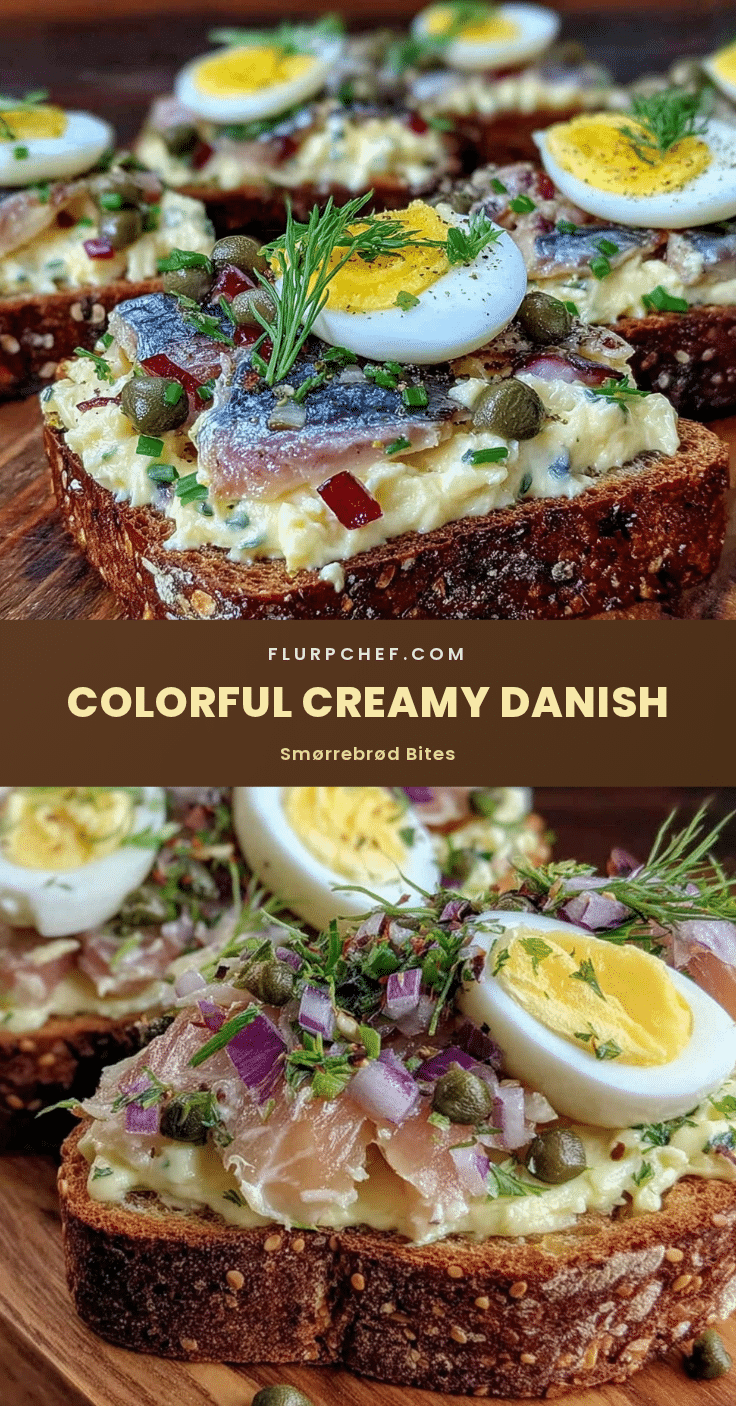
Flavorful Danish Smørrebrød Recipe with Pickled Herring and Dill Butter Made Easy

A quick and easy Danish open-faced sandwich featuring tangy pickled herring, creamy dill butter, and hearty rye bread. Perfect for entertaining or a comforting snack with Scandinavian charm.
- Prep Time: 15 minutes
- Cook Time: 10 minutes
- Total Time: 25 minutes
- Yield: 6 servings 1x
- Category: Appetizer
- Cuisine: Danish
Ingredients
- Dense rye bread (preferably Danish or pumpernickel), sliced thinly
- Unsalted butter, softened (for spreading a smooth, rich layer)
- 4 tablespoons (60 g) unsalted butter, softened (for dill butter)
- 2 tablespoons fresh dill, finely chopped
- 1 teaspoon fresh lemon juice
- Salt and freshly ground black pepper, to taste
- Pickled herring fillets (preferably in mustard sauce)
- Thinly sliced red onion
- Hard-boiled eggs, sliced or quartered (optional)
- Fresh radishes, thinly sliced
- Capers or chopped fresh chives (optional garnish)
Instructions
- Prepare the dill butter: In a bowl, combine 4 tablespoons (60 g) of softened unsalted butter with 2 tablespoons of finely chopped fresh dill, 1 teaspoon of fresh lemon juice, and a pinch each of salt and freshly ground pepper. Mix thoroughly until smooth and creamy.
- Slice the rye bread: Using a serrated knife, cut the rye bread into thin, even slices about 1/4 inch (6 mm) thick.
- Butter the base: Spread a thin, even layer of softened unsalted butter on each slice of rye bread.
- Spread dill butter: On top of the buttered rye, spread a generous layer of the prepared dill butter.
- Add the pickled herring: Place one or two pickled herring fillets on each slice, depending on size and preference. If the herring is too salty, rinse briefly under cold water and pat dry.
- Top with garnishes: Arrange thin slices of red onion, radishes, and hard-boiled eggs over the herring. Add a few capers or sprinkle chopped chives for a fresh finish.
- Final touches: Optionally drizzle lemon juice or sprinkle freshly ground pepper before serving.
Notes
Use a serrated knife to slice rye bread thinly without squishing it. Softened butter should be spreadable but firm to avoid sogginess. If pickled herring is too salty, rinse briefly under cold water. Assemble just before serving to keep bread from becoming soggy. Dill butter can be made a day ahead to enhance flavor. For gluten-free, substitute rye bread with gluten-free rye-style bread or crispbread. Vegetarian versions can use marinated grilled mushrooms or smoked tofu instead of herring.
Nutrition
- Serving Size: 1 open-faced sandwic
- Calories: 250
- Sugar: 2
- Sodium: 450
- Fat: 18
- Saturated Fat: 9
- Carbohydrates: 15
- Fiber: 3
- Protein: 8
Keywords: Danish smørrebrød, pickled herring, dill butter, rye bread, Scandinavian sandwich, open-faced sandwich, easy appetizer, traditional Danish recipe