Let me tell you, the moment the sizzling aroma of garlic, toasted sesame oil, and sweet gochujang sauce fills the kitchen, you know something wonderful is happening. That’s exactly how I felt the first time I made this flavorful bibimbap Korean bowl with fresh veggies and egg. The colors alone—vibrant greens, bright orange carrots, and the sunny yellow yolk—are enough to make your eyes light up. But it’s more than just a pretty plate; it’s the kind of meal where you pause, take a deep breath, and just smile, because you know you’re onto something truly special.
Years ago, when I was knee-high to a grasshopper, my Korean grandma would whip up dishes that were both comforting and packed with flavor. This bibimbap recipe is a tribute to those cherished afternoons spent around her kitchen table. I stumbled upon this recipe on a rainy weekend when I craved something hearty yet fresh, and honestly, I wish I’d discovered it years ago. My family couldn’t stop sneaking bites off the bowl (and I can’t really blame them). It’s dangerously easy to put together yet offers pure, nostalgic comfort that brightens up any dinner table.
Perfect for potlucks, quick lunches, or a sweet treat for your kids after school, this homemade bibimbap Korean bowl with fresh veggies and egg is a recipe you’re going to want to bookmark. After testing it multiple times (in the name of research, of course), it’s become a staple for family gatherings and casual weeknight dinners alike. Trust me, it feels like a warm hug on a plate.
Why You’ll Love This Recipe
Honestly, this flavorful bibimbap Korean bowl with fresh veggies and egg has been a game-changer in my kitchen for several reasons. It’s not just a recipe; it’s a little culinary celebration in every bite. Here’s why you’ll want to make it your go-to:
- Quick & Easy: Comes together in under 30 minutes, perfect for busy weeknights or last-minute cravings.
- Simple Ingredients: No fancy grocery trips needed; you likely already have everything in your kitchen or local market.
- Perfect for Any Occasion: Great for brunch, potlucks, cozy dinners, or even meal prep for the week.
- Crowd-Pleaser: Always gets rave reviews from kids and adults alike – that perfect balance of spicy, savory, and fresh.
- Unbelievably Delicious: The texture and flavor combo is next-level comfort food with a vibrant, fresh twist.
This bibimbap recipe stands out because of its perfectly balanced seasoning profile and the fresh veggie medley that keeps it light but satisfying. The fried egg on top adds a rich, creamy finish that ties everything together. It’s a recipe that makes you close your eyes after the first bite, savoring every flavor. It’s comfort food reimagined—healthier, faster, but with all the soul-soothing satisfaction you want. Whether you’re impressing guests without stress or turning a simple meal into something memorable, this bowl delivers.
What Ingredients You Will Need
This recipe uses simple, wholesome ingredients to deliver bold flavor and satisfying texture without the fuss. Most of these are pantry staples or fresh produce you can find year-round. Here’s what you’ll need to get that authentic bibimbap Korean bowl taste:
- For the rice base:
– 2 cups cooked short-grain white rice (sushi rice or medium-grain works best for that sticky texture)
– Optional: Sesame oil drizzle (adds richness) - For fresh veggies:
– 1 cup julienned carrots (fresh and crunchy)
– 1 cup spinach, blanched and squeezed dry (bright and tender)
– ½ cup thinly sliced cucumber (adds crispness)
– ½ cup bean sprouts, blanched (classic bibimbap touch)
– 4 shiitake mushrooms, sliced and sautéed (earthy umami flavor) - For protein:
– 4 large eggs (room temperature, fried sunny-side up or to your liking)
– Optional: ½ lb ground beef or thinly sliced bulgogi beef (if you want a meaty version) - For seasoning & sauce:
– 3 tablespoons gochujang (Korean chili paste, gives that signature spicy kick)
– 1 tablespoon soy sauce (I like Kikkoman for a balanced flavor)
– 1 teaspoon sesame oil (to finish off with a nutty aroma)
– 1 teaspoon sugar or honey (balances the heat)
– 2 cloves garlic, minced (for that punch of flavor)
– Toasted sesame seeds for garnish - Optional garnishes:
– Thinly sliced green onions
– Nori strips (seaweed)
– Kimchi on the side for some extra zing
If you’re looking to swap ingredients, no worries—use baby kale instead of spinach, or zucchini ribbons in place of cucumber. For gluten-free, make sure your soy sauce is tamari or a gluten-free version. You can also swap the beef for tofu or tempeh for a vegetarian-friendly option.
Equipment Needed
To make this flavorful bibimbap Korean bowl with fresh veggies and egg, you don’t need a fancy kitchen setup. Here’s what I recommend:
- Medium saucepan or rice cooker for perfectly cooked rice (I prefer a rice cooker for hands-off ease).
- Non-stick skillet or cast-iron pan for sautéing veggies and frying eggs (a good non-stick pan keeps the eggs from sticking).
- Mixing bowls to prep and toss the veggies and sauces.
- Sharp knife and cutting board for slicing veggies thinly and safely.
- Optional: Small whisk or fork for mixing sauce ingredients.
If you don’t have a rice cooker, no worries—just make sure to rinse your rice well and keep an eye on the water-to-rice ratio. A well-seasoned cast-iron skillet will give you a beautiful sear on the mushrooms and a lovely crisp on the eggs. Budget-friendly options work just fine here; it’s more about technique than fancy tools.
Preparation Method
- Cook the rice: Rinse 1 cup (190 g) short-grain rice under cold water until water runs clear. Add to a saucepan with 1¼ cups (300 ml) water. Bring to a boil, then reduce heat to low and cover. Cook for 15 minutes, then remove from heat and let it steam for another 10 minutes. Fluff with a fork and set aside. (If using a rice cooker, follow the manufacturer’s instructions.)
- Prepare the veggies: While rice cooks, blanch the spinach and bean sprouts in boiling water for 1-2 minutes each. Drain and squeeze out excess water (you don’t want soggy veggies). Julienne carrots and thinly slice cucumber and mushrooms. Sauté mushrooms in 1 teaspoon sesame oil over medium heat for about 3-4 minutes until tender and slightly golden. Season lightly with salt.
- Make the sauce: In a small bowl, whisk together 3 tablespoons gochujang, 1 tablespoon soy sauce, 1 teaspoon sesame oil, 1 teaspoon sugar, and minced garlic. Adjust sweetness or spice to your taste. This sauce is the heart of the dish, so don’t rush it!
- Cook the eggs: Heat a non-stick skillet over medium heat and add a touch of oil. Crack in 4 eggs and cook sunny-side up until whites are set but yolks still runny (about 2-3 minutes). For firmer yolks, cover the pan briefly. Season with a pinch of salt.
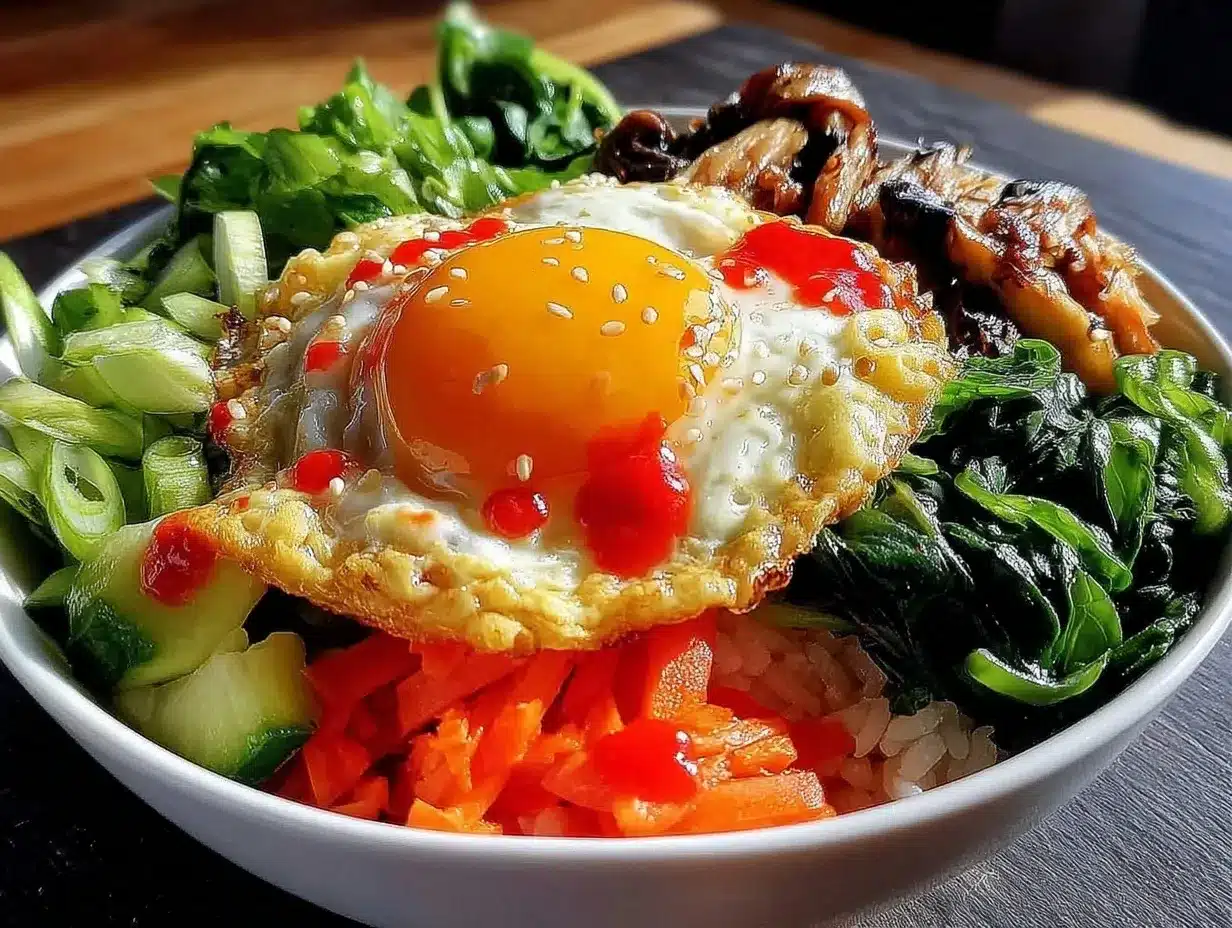
- Assemble the bowl: Scoop warm rice into bowls. Arrange the carrots, spinach, cucumber, bean sprouts, and mushrooms in neat sections on top. Place the fried egg right in the center. Drizzle the sauce over everything or serve on the side for guests to mix themselves.
- Garnish and serve: Sprinkle with toasted sesame seeds, sliced green onions, and nori strips if desired. Serve immediately with kimchi or a light soup for a full Korean meal experience.
Tip: When mixing the bowl before eating, use your spoon or chopsticks to break the egg yolk and swirl the sauce in—it’s the best part!
Cooking Tips & Techniques
Let me share a few tricks from my kitchen that make this bibimbap Korean bowl shine every time. First, rinsing your rice is a step you don’t want to skip. It washes away excess starch, preventing gummy rice and giving you that perfect sticky texture.
Blanching the spinach and bean sprouts just right is key. Overcooked veggies turn soggy fast, and undercooked ones can be tough. I usually time it with a kitchen timer and cool them quickly under cold water to keep that vibrant color and crisp bite.
For the egg, I learned the hard way to use a non-stick pan and medium heat. Too hot, and the edges burn before the whites set; too low, and it takes forever. A quick tip: add a splash of water and cover the pan for a minute to cook the tops without flipping, keeping the yolk perfectly runny.
When making the sauce, taste as you go. Gochujang can vary in heat, so adjust sugar or soy sauce to balance spice and sweetness. And don’t underestimate the power of sesame oil—it adds a deep, nutty flavor that ties everything together.
Finally, layering your bowl with colorful veggies isn’t just about looks (though it does make a killer Instagram shot). It’s about creating a variety of textures and flavors in every bite. Trust me, your taste buds will thank you.
Variations & Adaptations
This bibimbap Korean bowl is wonderfully flexible, so feel free to tweak it to your liking or dietary needs. Here are some ideas I’ve tried or recommend:
- Vegetarian/Vegan: Skip the egg and beef. Add sautéed tofu or tempeh for protein. Use a vegan gochujang or reduce it for milder flavor.
- Seasonal Veggies: Swap carrots and cucumbers for roasted sweet potatoes or zucchini in cooler months. Fresh spinach can be replaced with kale or Swiss chard.
- Gluten-Free: Use tamari instead of soy sauce. Double-check gochujang for gluten content or make your own gluten-free version.
- Spicy Level: Adjust gochujang amount or add a dash of chili flakes if you want it fiery. For a milder bowl, use less sauce or swap half for sweet chili paste.
One variation I adore is adding crispy kimchi pancakes on the side for a crunchy texture contrast. It’s a little extra work but totally worth it for special occasions.
Serving & Storage Suggestions
This flavorful bibimbap Korean bowl is best enjoyed fresh and warm, right after assembling. The contrast of hot rice, sautéed veggies, and runny egg is what makes it so satisfying. Serve it with a side of kimchi or a light soup to complete the meal.
If you have leftovers, store the components separately in airtight containers in the refrigerator for up to 2 days. Keep the sauce in a small jar to prevent sogginess. When reheating, warm the rice and veggies gently in the microwave or on the stovetop, then top with a freshly fried egg for that perfect finishing touch.
Flavors tend to deepen and mingle after a day, so leftover bibimbap can be even tastier the next day. Just remember to add fresh garnishes like sesame seeds or green onions to brighten it up again before serving.
Nutritional Information & Benefits
This bibimbap Korean bowl packs a balanced mix of carbs, protein, and veggies, making it a nourishing and filling meal. One serving (about 1 bowl) roughly contains:
| Nutrient | Amount |
|---|---|
| Calories | 450-500 kcal |
| Protein | 18-22 g (depending on beef/egg) |
| Carbohydrates | 55-60 g |
| Fat | 12-15 g |
| Fiber | 6-8 g |
The fresh veggies provide essential vitamins and antioxidants, while the egg offers high-quality protein and healthy fats. Using gochujang adds probiotics and a flavorful punch without excess calories. This dish is naturally gluten-free if you swap soy sauce for tamari and is low in refined sugars.
From a wellness perspective, bibimbap is a great way to get a rainbow of nutrients in one bowl, supporting digestion and energy without feeling heavy.
Conclusion
If you’re looking for a meal that’s packed with flavor, fresh textures, and easy to make, this flavorful bibimbap Korean bowl with fresh veggies and egg should be on your radar. It’s a recipe that feels like a hug in a bowl—warm, comforting, and full of personality. Customize it to your taste, add your favorite veggies or proteins, and don’t be shy with the sauce. I love how this recipe brings my family together around the table, and I have a feeling it’ll do the same for you.
Give it a try and let me know how it turns out! Share your own twists or questions in the comments below—I’d love to hear what you come up with. Happy cooking, and remember: sometimes the simplest bowls bring the most joy!
FAQs
What is bibimbap?
Bibimbap is a traditional Korean dish that means “mixed rice.” It typically consists of rice topped with assorted sautéed or fresh vegetables, a fried egg, and spicy gochujang sauce.
Can I make bibimbap ahead of time?
You can prep individual components ahead but it’s best to assemble and serve bibimbap fresh to keep the veggies crisp and the egg perfectly cooked.
How spicy is gochujang?
Gochujang has a moderate heat level with a sweet and savory flavor. You can adjust the amount used to suit your spice preference.
What can I use instead of ground beef?
Try tofu, tempeh, or mushrooms for a vegetarian version. Chicken or pork are also good alternatives if you prefer.
Is bibimbap gluten-free?
Traditional bibimbap can be gluten-free if you use tamari instead of soy sauce and check the gochujang label. Always verify ingredients if you have gluten sensitivities.
Pin This Recipe!
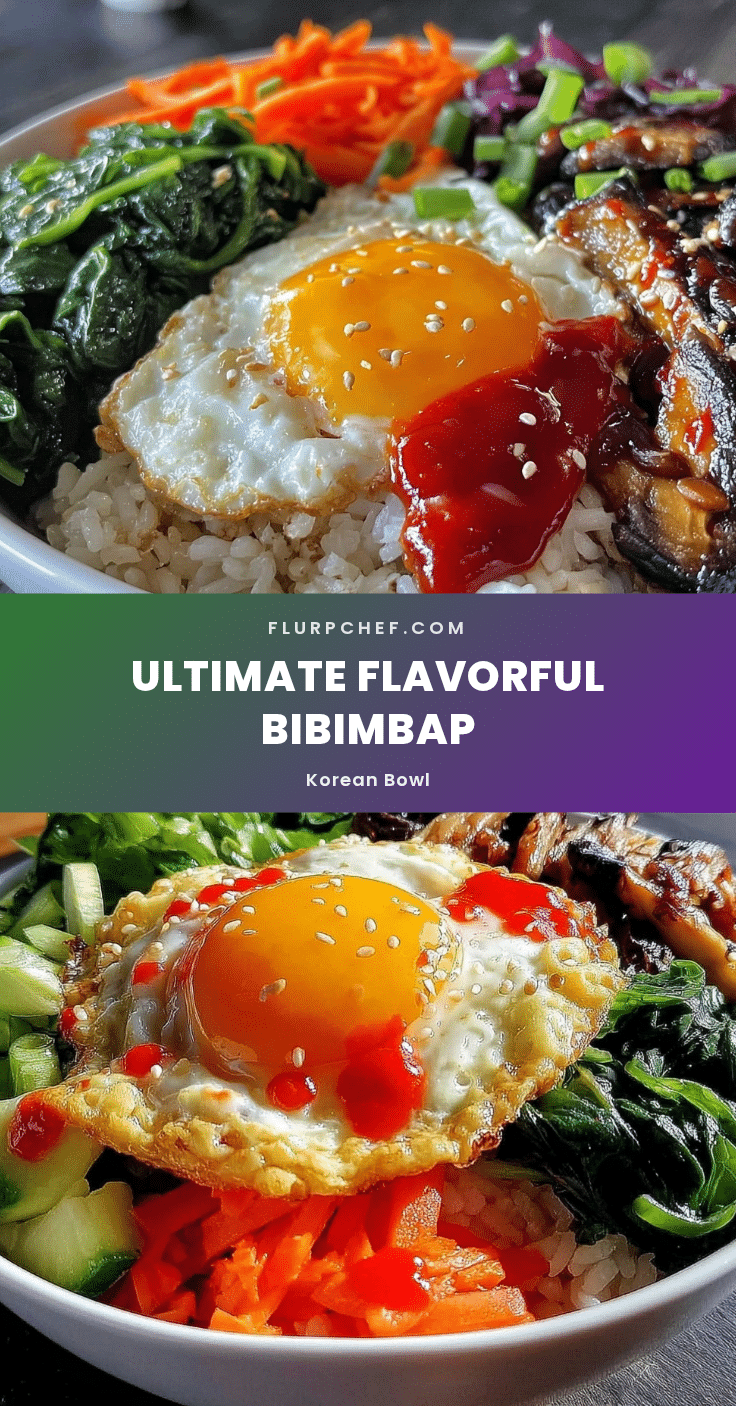
Flavorful Bibimbap Korean Bowl Recipe Easy Homemade with Fresh Veggies and Egg
A vibrant and comforting Korean bibimbap bowl featuring fresh veggies, a fried egg, and a spicy gochujang sauce. Quick and easy to prepare, perfect for weeknights or gatherings.
- Prep Time: 10 minutes
- Cook Time: 20 minutes
- Total Time: 30 minutes
- Yield: 4 servings 1x
- Category: Main Course
- Cuisine: Korean
Ingredients
- 2 cups cooked short-grain white rice (sushi rice or medium-grain)
- Optional: Sesame oil drizzle
- 1 cup julienned carrots
- 1 cup spinach, blanched and squeezed dry
- ½ cup thinly sliced cucumber
- ½ cup bean sprouts, blanched
- 4 shiitake mushrooms, sliced and sautéed
- 4 large eggs (fried sunny-side up or to your liking)
- Optional: ½ lb ground beef or thinly sliced bulgogi beef
- 3 tablespoons gochujang (Korean chili paste)
- 1 tablespoon soy sauce (or tamari for gluten-free)
- 1 teaspoon sesame oil
- 1 teaspoon sugar or honey
- 2 cloves garlic, minced
- Toasted sesame seeds for garnish
- Optional garnishes: thinly sliced green onions, nori strips (seaweed), kimchi on the side
Instructions
- Rinse 1 cup short-grain rice under cold water until water runs clear. Add to a saucepan with 1¼ cups water. Bring to a boil, reduce heat to low, cover, and cook for 15 minutes. Remove from heat and let steam for 10 minutes. Fluff with a fork and set aside. (Or use a rice cooker.)
- Blanch spinach and bean sprouts in boiling water for 1-2 minutes each. Drain and squeeze out excess water. Julienne carrots and thinly slice cucumber and mushrooms.
- Sauté mushrooms in 1 teaspoon sesame oil over medium heat for 3-4 minutes until tender and slightly golden. Season lightly with salt.
- In a small bowl, whisk together gochujang, soy sauce, sesame oil, sugar, and minced garlic. Adjust sweetness or spice to taste.
- Heat a non-stick skillet over medium heat with a touch of oil. Crack in eggs and cook sunny-side up until whites are set but yolks remain runny (2-3 minutes). For firmer yolks, cover pan briefly. Season with salt.
- Scoop warm rice into bowls. Arrange carrots, spinach, cucumber, bean sprouts, and mushrooms in sections on top. Place fried egg in the center.
- Drizzle sauce over the bowl or serve on the side. Garnish with toasted sesame seeds, green onions, and nori strips if desired. Serve immediately with kimchi or light soup.
Notes
Rinse rice well to remove excess starch for perfect sticky texture. Blanch veggies briefly to keep vibrant color and crispness. Use medium heat and non-stick pan for eggs to avoid burning. Adjust gochujang and sugar to balance spice and sweetness. Serve immediately for best texture; store components separately if making ahead.
Nutrition
- Serving Size: 1 bowl
- Calories: 450500
- Sugar: 57
- Sodium: 600800
- Fat: 1215
- Saturated Fat: 34
- Carbohydrates: 5560
- Fiber: 68
- Protein: 1822
Keywords: bibimbap, Korean bowl, gochujang, fresh veggies, fried egg, easy Korean recipe, healthy Korean food, homemade bibimbap