“Pass me the tongs, will you?” That’s how my Friday night steak ritual often starts—no fancy frills, just the sizzle and crackle of a thick porterhouse grilling away. Honestly, the first time I tried this Perfect Old Fashioned Porterhouse Steak Recipe, it was a bit of a gamble. I’d been skeptical about cooking such a hefty cut at home. Would it come out chewy or charred beyond recognition? Turns out, the secret isn’t just in the cut but how you treat it—simple salt, pepper, and patience.
One evening, after a long week loaded with deadlines and takeaway dinners, I decided to channel a little old-school steakhouse vibe right in my kitchen. The aroma of searing meat, mingled with the faint smell of garlic butter melting on top, brought a welcome kind of calm. It’s funny how the right steak can reset your whole mood, you know? That first bite—juicy, tender, with that perfect crust—was the kind that makes you pause mid-chew and smile. Since then, I’ve made this porterhouse recipe multiple times (sometimes twice a week, no joke). It’s become my go-to comfort ritual, the one that never fails to impress.
What I love most is how this recipe keeps things straightforward, no gimmicks—just a timeless approach that honors the steak’s natural flavors. If you’re craving a slice of that classic steakhouse magic but don’t want to fuss over complicated steps, this recipe is exactly the kind of simple, juicy, and satisfying cut you’ll want to come back to. It’s not just a meal; it’s a little moment of joy on a plate.
Why You’ll Love This Recipe
Having cooked and tweaked this Perfect Old Fashioned Porterhouse Steak Recipe for years, I can say it really stands out for several reasons. It’s one of those dishes where a few well-chosen ingredients and a solid technique come together to deliver something truly memorable. Here’s why it wins every time:
- Quick & Easy: You can have a steak ready in about 20 minutes, which is perfect when you want something hearty but don’t want to spend hours in the kitchen.
- Simple Ingredients: No exotic spices or hard-to-find sauces—just salt, pepper, high-quality porterhouse, and a touch of butter and garlic for that classic finish.
- Perfect for Any Occasion: Whether you’re firing up the grill for a weekend cookout or just treating yourself to a cozy dinner, this recipe hits the mark.
- Crowd-Pleaser: Friends and family always ask for this one again. It’s the kind of steak that looks rustic but tastes like you spent all day on it.
- Unbelievably Delicious: The crust is crisp and flavorful, while the inside stays juicy and tender—a balance that’s tough to find but easy with this method.
What really sets this recipe apart is its old-fashioned approach—no marinades or fancy sauces stealing the spotlight. The technique focuses on dry-aging in your fridge for a bit (even just a day), seasoning just right, and mastering the pan or grill sear. This ensures your porterhouse is bursting with pure beef flavor and that signature tender texture. Honestly, after making this a few times, it felt like I was bringing a slice of a classic steakhouse home—without the fancy price tag or complicated prep.
What Ingredients You Will Need
This Perfect Old Fashioned Porterhouse Steak Recipe relies on a handful of straightforward ingredients that work together to let the natural beef flavors shine. Most of these are pantry basics, so you probably have them on hand already.
- Porterhouse steak (1.5 to 2 inches thick, about 24 oz / 680 g): Look for a well-marbled cut, ideally USDA Choice or better. The thickness is key to getting that perfect sear and juicy interior.
- Coarse kosher salt: Essential for seasoning and forming a savory crust. I prefer Diamond Crystal for its texture.
- Freshly ground black pepper: Adds that classic peppery bite.
- Unsalted butter (2 tbsp / 28 g): For basting and enhancing richness. Use a high-quality butter for the best flavor.
- Garlic cloves (2, smashed): Infuses the butter with a gentle aromatic punch.
- Fresh rosemary or thyme sprigs (optional): Adds subtle herbal notes during the butter basting step.
If you want to keep it purely old-fashioned, you can skip the herbs, but they do add a beautiful fragrance. For a gluten-free option, all ingredients are naturally free of gluten, so no worries there.
Seasoning is simple but critical: salt well ahead of cooking (at least 40 minutes prior) to dry-brine the steak. This helps the meat retain moisture and creates that classic steakhouse crust. If you’re curious about pairing this steak with a fresh summer side, the fresh cucumber watermelon feta salad recipe with mint and balsamic is a light, refreshing choice that balances the richness perfectly.
Equipment Needed
- Cast iron skillet or heavy-duty grill pan: Cast iron is fantastic for even heat distribution and creating that coveted crust.
- Tongs: For flipping the steak gently without piercing the meat.
- Meat thermometer: Helps you nail the internal temperature without cutting into the steak.
- Heat-resistant spatula or spoon: For basting the butter and aromatics over the steak.
- Cutting board: Preferably wooden or plastic with juice grooves to rest the steak after cooking.
Don’t stress if you don’t have a cast iron skillet; a heavy stainless steel pan works too, though it won’t retain heat quite as well. I once tried this recipe on a budget electric grill, and while it worked, the results were less consistent—still tasty but missing that perfect sear. Also, keeping your tongs and thermometer clean is key to avoid cross-contamination and to get the best results.
Preparation Method
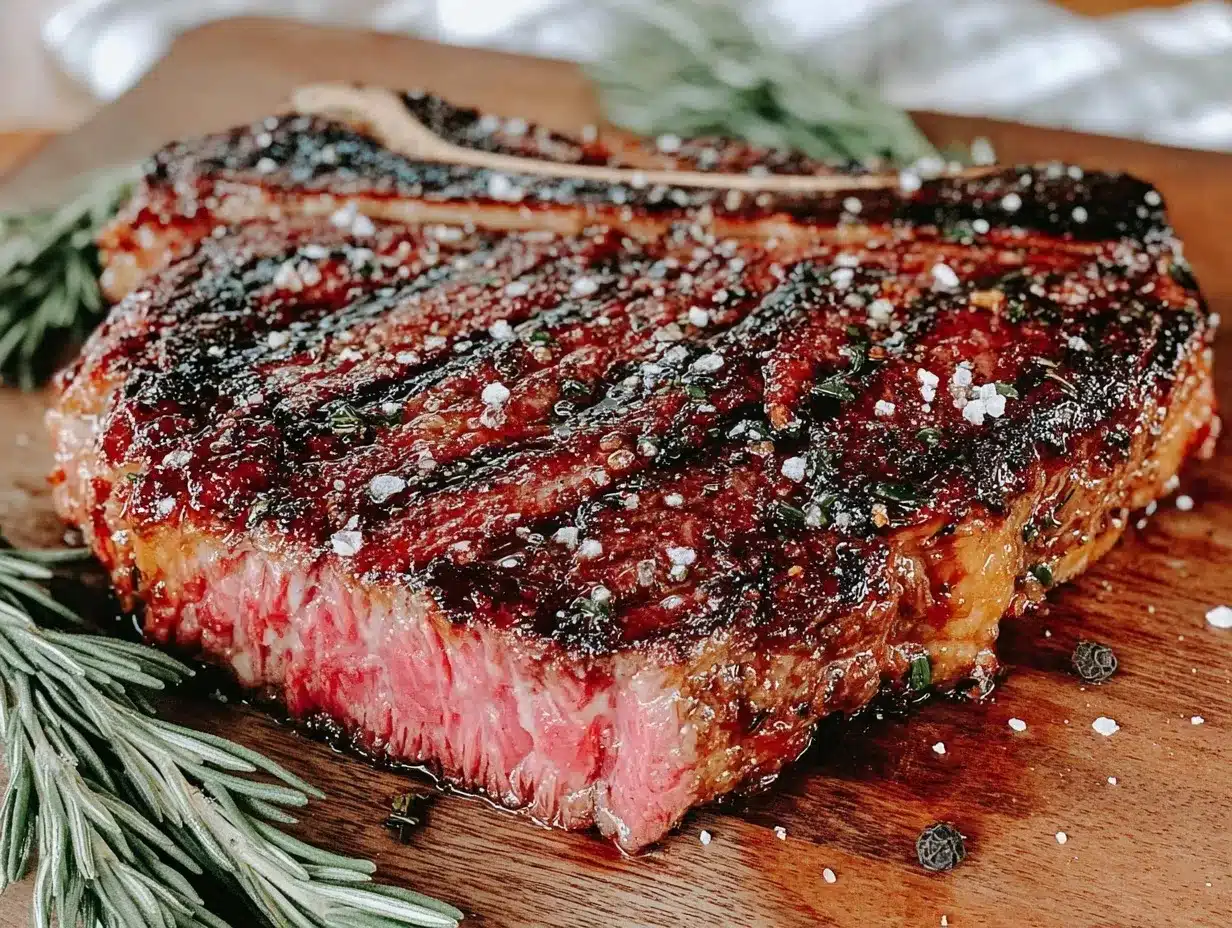
- Dry-brine the steak: Pat the porterhouse dry with paper towels. Generously season all sides with kosher salt, pressing it gently into the meat. Place the steak on a wire rack set over a baking sheet and refrigerate uncovered for 40 minutes to 1 hour. This step draws out moisture and intensifies flavor.
- Bring to room temperature: Remove the steak from the fridge about 30 minutes before cooking to let it warm slightly. This helps the steak cook evenly.
- Preheat your pan or grill: Heat your cast iron skillet over medium-high heat until it’s smoking hot (about 5 minutes). A hot pan is crucial for that perfect crust.
- Sear the steak: Add a tablespoon of oil with a high smoke point (like avocado or grapeseed oil). Place the porterhouse in the pan without moving it for 3-4 minutes until a deep brown crust forms. Flip and sear the other side for another 3-4 minutes.
- Baste with butter and aromatics: Reduce heat to medium-low. Add butter, smashed garlic, and rosemary or thyme sprigs to the pan. Tilt the pan and spoon the melted butter over the steak repeatedly for about 2-3 minutes. This keeps the steak moist and adds flavor.
- Check internal temperature: Use a meat thermometer to check doneness. Aim for 125°F (51°C) for rare, 135°F (57°C) for medium-rare, or 145°F (63°C) for medium. Remember, the steak will continue to cook slightly after resting.
- Rest the steak: Transfer the porterhouse to a cutting board and tent loosely with foil. Let it rest for 10 minutes to allow juices to redistribute.
- Slice and serve: Cut the steak against the grain to maximize tenderness. Serve with your favorite sides—maybe something bright like a fresh Thai mango crunch salad for a contrast of flavors.
One trick I’ve learned is not to crowd the pan. If your steak is oversized, cook it in batches or use a larger pan. Also, avoid poking or pressing the meat while cooking—that only squeezes out those precious juices. You want to hear the sizzle but not the splatter.
Cooking Tips & Techniques
Getting a perfect porterhouse steak isn’t just about throwing it on the heat; it’s about timing and technique. Here are some tips I swear by:
- Don’t skip the dry brine: Salt is your best friend for flavor and texture. It helps create that irresistible crust and juicy interior.
- Use a thermometer: Guesswork leads to overcooked or undercooked steak. I’ve ruined more than one porterhouse by eyeballing it. A quick digital thermometer saves the day every time.
- High heat for searing: The pan or grill needs to be very hot to caramelize the surface properly. If your steak sticks, it probably isn’t ready to flip.
- Butter basting adds flavor and moisture: Don’t rush this step. Tilt the pan and spoon that melted butter over the steak to keep it juicy and infuse aromatics.
- Resting is non-negotiable: Cutting into the steak immediately sends all the juices running out. Let it rest for at least 10 minutes.
- Patience pays off: Resist the urge to poke, prod, or flip repeatedly. Trust the process and listen to the sizzle.
Early on, I used to flip my steaks constantly, thinking it helped them cook evenly. Nope. It just frustrated the process and dried out the meat. Now, I let the steak be, flipping only once. Also, multitasking while cooking steak is tempting, but don’t get distracted—you want to keep an eye (and ear) on your steak’s progress.
Variations & Adaptations
While the classic porterhouse is a masterpiece on its own, sometimes I like to mix things up depending on the occasion or dietary needs:
- Herb Butter Twist: Mix softened butter with minced garlic, parsley, and a squeeze of lemon juice. Dollop this on top of the resting steak for a bright, buttery finish.
- Grilled Porterhouse: Swap the skillet for an outdoor grill. Cook over medium-high heat with the lid closed for 4-5 minutes per side, then finish with butter basting in a cast iron pan or foil packet.
- Spicy Cajun Rub: Add smoked paprika, cayenne, garlic powder, and onion powder to your salt and pepper seasoning for a smoky, spicy kick.
- Allergen-Friendly: This recipe is naturally gluten-free and dairy-free if you substitute butter with olive oil or a dairy-free spread.
- Personal Favorite: I once added a splash of red wine and shallots to the pan after basting, creating a quick pan sauce. It was unexpected but added a lovely depth without overpowering the steak.
For a lighter side, pairing this steak with something fresh like the fresh Thai mango crunch salad complements the richness perfectly. It’s a nice way to balance indulgence with brightness.
Serving & Storage Suggestions
This Perfect Old Fashioned Porterhouse Steak Recipe is best served hot, right off the pan or grill. Rested but still warm, the steak’s juices are locked in, making each bite juicy and flavorful. I like to slice it thinly against the grain for the ultimate tenderness.
Serve alongside classic steakhouse sides like roasted garlic mashed potatoes or something crisp and light like the fresh cucumber watermelon feta salad for a refreshing contrast. A robust red wine or a hearty craft beer pairs beautifully here.
If you have leftovers (and that’s always a win), wrap the steak tightly in foil or airtight containers and refrigerate for up to 3 days. Reheat gently in a low oven (about 250°F / 120°C) for 10-15 minutes or briefly in a hot skillet with a splash of beef broth to keep it moist. Avoid microwaving—it can turn the steak rubbery.
Interestingly, the flavors deepen slightly after resting in the fridge overnight, making leftover steak sandwiches or salads an exciting next-day treat.
Nutritional Information & Benefits
A porterhouse steak is a protein powerhouse, packed with essential nutrients that fuel your body. A 24-ounce (680 g) steak can provide around 1400 calories, 120 grams of protein, and a healthy dose of iron, zinc, and B vitamins.
Using unsalted butter and minimal seasoning keeps added fats and sodium in check, but this recipe naturally leans toward a higher-fat, satisfying meal perfect for low-carb or keto lifestyles. It’s naturally gluten-free, and you can adjust sides to fit dietary preferences.
From a wellness perspective, red meat often gets a bad rap, but when enjoyed in moderation and paired with fresh vegetables or salads (like the fresh Mediterranean cucumber chickpea salad), it can be part of a balanced diet.
Conclusion
This Perfect Old Fashioned Porterhouse Steak Recipe is more than just a meal—it’s a celebration of simple ingredients treated with care. Whether you’re an experienced cook or just starting out, the straightforward steps and honest flavors make this steak a reliable choice when you want something juicy, flavorful, and satisfying.
The beauty lies in its adaptability—tweak the seasoning, try different sides, or add a quick pan sauce. I keep coming back to this recipe because it’s a reminder that sometimes the best food is the one that brings you comfort and a little pride in your kitchen skills.
If you try this recipe, I’d love to hear how it turns out or what personal touches you’ve added. Sharing those moments of cooking success makes it all the more special. Here’s to more great meals filled with sizzle and satisfaction!
FAQs About Perfect Old Fashioned Porterhouse Steak Recipe
- Q: How thick should my porterhouse steak be for this recipe?
A: Ideally, 1.5 to 2 inches (about 3.8 to 5 cm) thick to get the perfect crust and juicy inside. - Q: Can I use this recipe for other steak cuts?
A: Yes, but cooking times will vary. Ribeye or New York strip steaks also work well with this method. - Q: What’s the best way to check steak doneness?
A: Use a digital meat thermometer for accuracy—135°F (57°C) is medium-rare. - Q: Can I marinate the porterhouse instead of dry-brining?
A: This recipe shines with dry brining, but a quick marinade can work if you prefer different flavors. - Q: How long should I let the steak rest after cooking?
A: At least 10 minutes to let the juices redistribute for maximum tenderness.
Pin This Recipe!
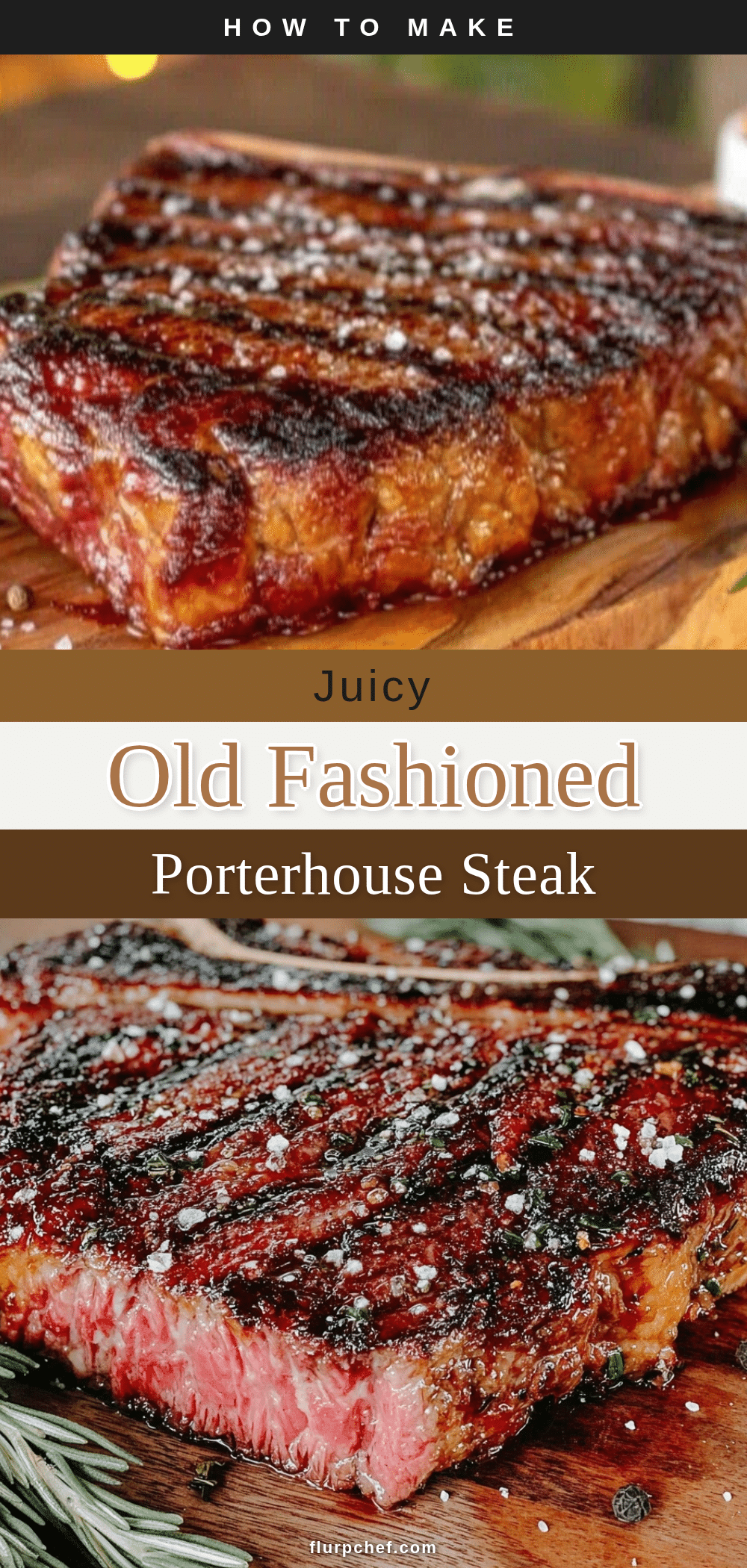
Perfect Old Fashioned Porterhouse Steak Recipe
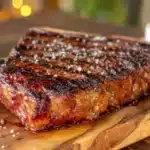
A simple, juicy, and satisfying porterhouse steak recipe that uses straightforward ingredients and an old-fashioned technique to deliver a perfect crust and tender interior.
- Prep Time: 1 hour 10 minutes
- Cook Time: 10 minutes
- Total Time: 1 hour 20 minutes
- Yield: 2 servings
- Category: Main Course
- Cuisine: American
Ingredients
- Porterhouse steak (1.5 to 2 inches thick, about 24 oz / 680 g)
- Coarse kosher salt
- Freshly ground black pepper
- Unsalted butter (2 tbsp / 28 g)
- Garlic cloves (2, smashed)
- Fresh rosemary or thyme sprigs (optional)
Instructions
- Pat the porterhouse dry with paper towels. Generously season all sides with kosher salt, pressing it gently into the meat. Place the steak on a wire rack set over a baking sheet and refrigerate uncovered for 40 minutes to 1 hour.
- Remove the steak from the fridge about 30 minutes before cooking to let it warm slightly.
- Heat your cast iron skillet over medium-high heat until it’s smoking hot (about 5 minutes).
- Add a tablespoon of oil with a high smoke point (like avocado or grapeseed oil). Place the porterhouse in the pan without moving it for 3-4 minutes until a deep brown crust forms. Flip and sear the other side for another 3-4 minutes.
- Reduce heat to medium-low. Add butter, smashed garlic, and rosemary or thyme sprigs to the pan. Tilt the pan and spoon the melted butter over the steak repeatedly for about 2-3 minutes.
- Use a meat thermometer to check doneness. Aim for 125°F (51°C) for rare, 135°F (57°C) for medium-rare, or 145°F (63°C) for medium.
- Transfer the porterhouse to a cutting board and tent loosely with foil. Let it rest for 10 minutes.
- Cut the steak against the grain to maximize tenderness and serve.
Notes
Dry-brining the steak for at least 40 minutes is critical for flavor and texture. Use a meat thermometer to avoid overcooking. Rest the steak for at least 10 minutes before slicing. Avoid poking or flipping the steak repeatedly to retain juices.
Nutrition
- Serving Size: One half of a 24 oz
- Calories: 700
- Sodium: 600
- Fat: 56
- Saturated Fat: 24
- Protein: 60
Keywords: porterhouse steak, old fashioned steak recipe, juicy steak, steakhouse recipe, dry brine steak, cast iron steak, easy steak recipe