“You know, I never thought a humble bowl of stew could turn my entire evening around,” my neighbor once told me over the fence, a bit worn out but smiling. That story stuck with me because it reminded me of one particular week when I juggled errands, appointments, and somehow forgot to plan dinner. Exhausted and not in the mood to wrestle with recipes, I found myself pulling together some pantry basics, stirring in some fresh herbs from the garden, and ending up with a comforting simple dinner that felt like a warm hug on a plate. It wasn’t fancy, but it was honest food—the kind that older adults need when days get long and energy runs low.
Cooking for older adults, whether for yourself or a loved one, isn’t about complicated techniques or exotic ingredients. It’s about meals that nourish, soothe, and simplify life without sacrificing flavor or comfort. Over time, I’ve learned that these dinners need to meet a few quiet demands: easy prep, gentle on digestion, and packed with nutrients that support aging bodies. The “comforting simple dinners for older adults” that I’m sharing here grew from that real-life moment of necessity, but they’ve become a staple in the kitchen for many reasons.
What’s funny is how a few small tweaks—like soft-cooked veggies or gentle seasoning—can transform a straightforward dish into something both satisfying and tender enough for sensitive appetites. It’s the kind of recipe that, honestly, makes you realize how much good food can quietly heal and restore. That’s why these dinners aren’t just recipes; they are little acts of care that bring calm to busy days.
What I appreciate most is how this approach respects the need for simplicity without sacrificing the joy of eating. So, if you’re looking for meals that comfort and nourish without fuss, you’re in the right place. After all, these dinners aren’t just about filling plates—they’re about filling hearts, too.
Why You’ll Love This Recipe
Having tested and retested these comforting simple dinners for older adults, I can say with confidence they hit the sweet spot between ease and nourishment. From my experience, these recipes have been a quiet game-changer for weeknight meals and gentle enough for those with sensitive digestion or limited time.
- Quick & Easy: Most of these dinners come together in under 30 minutes, perfect for when energy dips or the day’s been long.
- Simple Ingredients: No need for specialty stores—these recipes use pantry staples and fresh produce you likely already have on hand.
- Perfect for Cozy Nights: Ideal for calm, comforting evenings where you want a meal that feels like a warm blanket.
- Crowd-Pleaser: These dishes receive nods of approval from older adults and family members alike, balancing mild flavors with satisfying textures.
- Unbelievably Delicious: Soft-cooked veggies, tender proteins, and subtle seasoning combine to offer meals that soothe without overwhelming the palate.
What sets these comforting simple dinners apart is the thoughtful balance of flavor and ease. For example, steaming vegetables just enough to keep their nutrients intact, or gently simmering chicken with herbs that bring out natural sweetness without harsh spices. I also love how these dinners can easily be adapted—whether swapping in a gluten-free grain or adjusting seasoning to taste—making them practical and personal.
These recipes aren’t just about food; they’re about creating moments of calm and care. Whether you’re cooking for yourself or someone else, this collection aims to bring a little peace to the table with every bite.
What Ingredients You Will Need
This collection of comforting simple dinners for older adults relies on wholesome, approachable ingredients that deliver gentle nutrition and familiar flavors. Most are pantry staples or fresh produce that’s easy to find year-round. The goal is to keep things straightforward but tasty, with options for easy substitutions if needed.
- Proteins: Skinless chicken breasts or thighs (for tenderness), firm tofu (for plant-based option), canned beans (great for fiber and protein), eggs (soft-boiled or scrambled for easy digestion)
- Vegetables: Carrots (peeled and sliced thin), zucchini (soft when cooked), spinach or kale (lightly wilted), potatoes or sweet potatoes (boiled or roasted until soft), onions and garlic (mildly sautéed for flavor)
- Grains & Starches: Brown rice or quinoa (well-cooked and fluffy), whole wheat pasta (cooked al dente), soft bread rolls or whole-grain crackers (for ease of chewing)
- Flavor Enhancers: Low-sodium chicken or vegetable broth (adds moisture and depth), olive oil or unsalted butter (for gentle richness), fresh herbs like parsley, thyme, or rosemary (bright but mild), lemon juice (for a light tang), mild spices like paprika or turmeric (for subtle warmth)
- Dairy & Alternatives: Cottage cheese (small curd, creamy), plain yogurt (good for digestion), shredded cheese (mild cheddar or mozzarella), dairy-free options like almond milk or coconut yogurt if needed
For example, I prefer using Pacific Foods low-sodium broth because it keeps flavors balanced without overwhelming saltiness. When it comes to vegetables, peeling carrots and cooking them until tender helps make them easier to digest, which is a little trick I use often. And for grain choices, well-cooked quinoa adds a nice texture and is a great gluten-free option.
If fresh herbs aren’t available, dried herbs can work too—just adjust quantities since dried versions are more concentrated. And for anyone avoiding dairy, swapping cottage cheese with mashed avocado or hummus can be a tasty alternative that’s still gentle and creamy.
Equipment Needed
One of the best parts about these comforting simple dinners for older adults is that they don’t require fancy kitchen gadgets. In fact, a basic set of tools can get you through most recipes with ease.
- Essential: Medium-sized saucepan or pot (for cooking grains and simmering stews)
- Skillet or Non-stick Pan: For sautéing vegetables and cooking proteins gently
- Cutting Board and Sharp Knife: Vital for prepping soft vegetables and trimming meat or tofu
- Measuring Cups and Spoons: For accurate seasoning and portion control
- Wooden Spoon or Silicone Spatula: Gentle on cookware and perfect for stirring
- Colander or Strainer: For rinsing grains or draining cooked vegetables
For those on a budget or with limited space, a single non-stick skillet with a lid can handle most cooking steps, from sautéing to gentle steaming. I’ve found that a good-quality knife makes prep much easier, especially when slicing tender veggies like zucchini or mushrooms.
Maintenance-wise, keeping your pots and pans well-seasoned or cleaned promptly helps them last longer and cook more evenly. Personally, I like using silicone utensils because they don’t scratch my cookware and are easy to clean.
Preparation Method
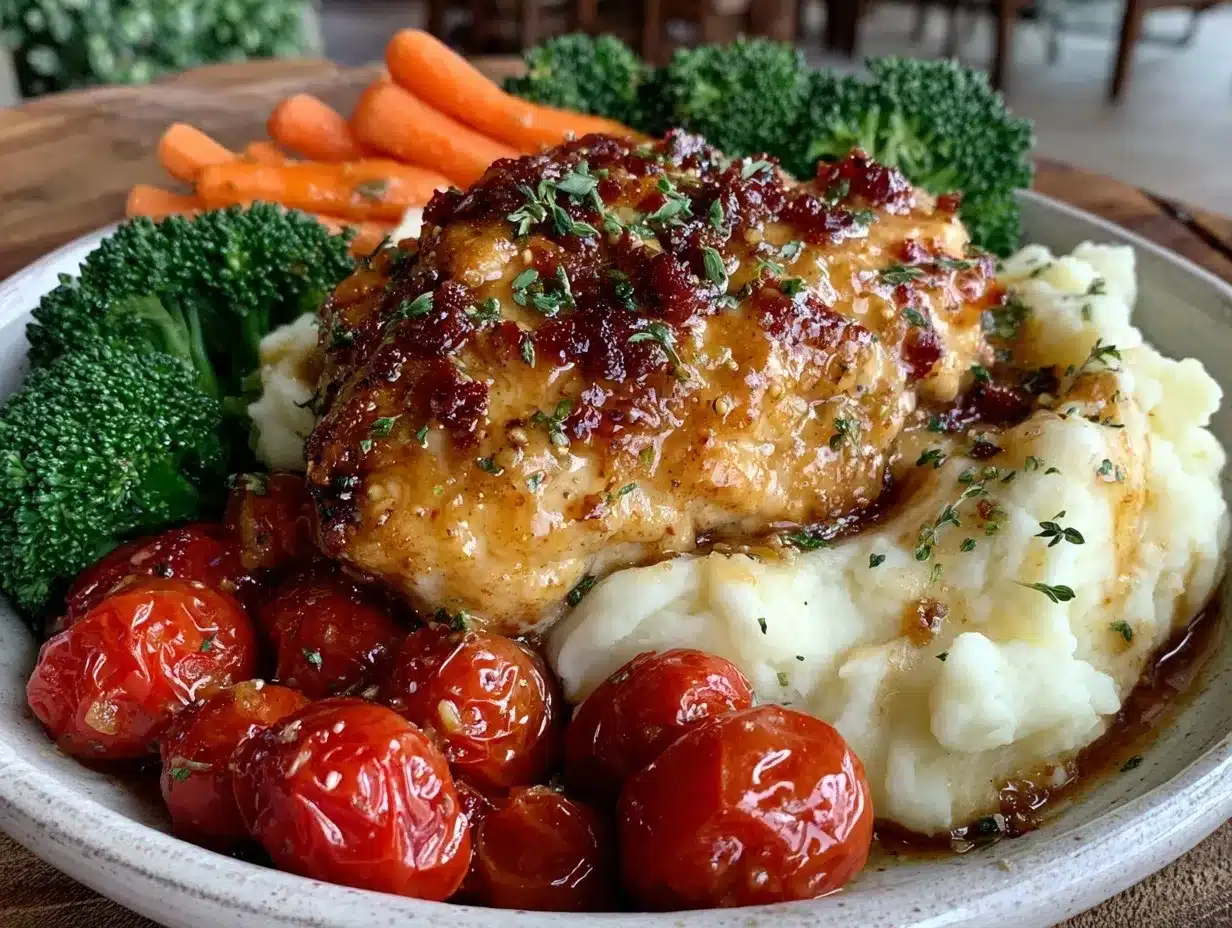
- Prepare the Vegetables (10 minutes): Peel and thinly slice carrots; dice zucchini into bite-sized pieces. Lightly wash leafy greens like spinach. These steps ensure even cooking and softer textures, which older adults often find easier to chew. If using potatoes, peel and cut into small cubes.
- Cook the Grain or Starch (20 minutes): Rinse 1 cup (190 g) of brown rice or quinoa under cold water. Bring 2 cups (480 ml) of low-sodium broth or water to a boil in a medium saucepan. Add the grain, reduce heat to low, cover, and simmer until tender (about 20 minutes). Fluff with a fork and set aside.
- Sauté Aromatics (5 minutes): Heat 1 tablespoon (15 ml) olive oil or unsalted butter in a skillet over medium heat. Add 1/2 cup (75 g) diced onions and 1 minced garlic clove. Cook gently until softened and fragrant but not browned (about 3-5 minutes). This step adds subtle flavor without overpowering the dish.
- Add Proteins (10-15 minutes): For chicken, cut 8 ounces (225 g) into small pieces and add to the skillet. Cook gently until no longer pink inside, about 10 minutes. For tofu, press and cube, then brown lightly on all sides. If using canned beans, rinse and add towards the end to warm through.
- Combine Vegetables and Simmer (10 minutes): Add prepared vegetables to the skillet with the protein. Pour in 1/2 cup (120 ml) of broth and cover. Let simmer until vegetables are tender but not mushy, about 7-10 minutes. Stir occasionally to prevent sticking.
- Season and Finish (2-3 minutes): Remove lid, add fresh herbs like 1 tablespoon (3 g) chopped parsley or thyme. Season lightly with salt (preferably low-sodium) and pepper to taste. Finish with a squeeze of lemon juice for brightness.
- Serve Warm (immediate): Plate the grain base and spoon the protein-vegetable mixture on top. Optionally, add a dollop of plain yogurt or a sprinkle of shredded mild cheese for extra creaminess.
Note: Cooking times may vary slightly depending on ingredient freshness and stove type. Always check that proteins are fully cooked and vegetables are soft enough for easy chewing. If the dish seems dry, add a splash more broth or water while simmering.
Cooking Tips & Techniques
From my own trial-and-error, a few small adjustments make a big difference when preparing comforting simple dinners for older adults.
- Keep Heat Moderate: Cooking on medium or medium-low heat prevents toughening proteins and overcooking veggies, preserving tenderness and flavor.
- Prep Ahead: Chopping vegetables and measuring broth in advance saves time and energy when it’s mealtime. I like to keep pre-washed greens in the fridge for quick access.
- Use Low-Sodium Broth: Older adults often benefit from reduced salt intake, so low-sodium broth helps control seasoning while maintaining richness.
- Don’t Overcook: Pay attention to texture—vegetables should be soft but not falling apart. Mushy textures can be unappealing, yet slightly firm veggies might be hard to chew.
- Gentle Seasoning: Avoid sharp spices or hot chili; instead, favor herbs like rosemary or thyme, and subtle additions like a touch of lemon juice.
- Multitasking: While the grain cooks, prep veggies or proteins to streamline the process. This keeps the total cooking time manageable.
- Test for Doneness: Use a fork to check if veggies are tender and proteins are cooked through. I’ve learned to trust the smell and look of the dish—once it’s aromatic and vibrant, it’s usually ready.
In my experience, patience is key—rushing often leads to less tender results. Also, if you’re juggling other tasks, using a timer can be a lifesaver to avoid overcooking or burning.
Variations & Adaptations
One of the best parts about these comforting simple dinners is their flexibility. You can tailor them to fit dietary needs, seasonal availability, or taste preferences easily.
- Vegetarian or Vegan: Replace chicken with firm tofu or extra beans. Use vegetable broth and dairy-free yogurt or cheese alternatives.
- Gluten-Free: Swap brown rice or quinoa for gluten-free pasta or cauliflower rice to suit gluten sensitivities.
- Seasonal Veggies: In spring or summer, use fresh green beans, peas, or zucchini. In fall or winter, swap in roasted squash or sweet potatoes for a cozy twist.
- Mild Flavor Boost: Add a splash of apple cider vinegar or a teaspoon of honey to balance flavors gently.
- Personal Favorite: I sometimes stir in a handful of chopped fresh basil or a sprinkle of nutmeg to add a surprising warmth that’s still gentle on the palate.
Adjusting cooking times slightly can accommodate different veggies or proteins. For example, soft tofu needs less cooking than chicken, so add it later in the process. Also, if texture is a concern, pureeing part of the vegetable mixture can help create a smooth, comforting base.
Serving & Storage Suggestions
These comforting simple dinners are best served warm, fresh from the stove. I find plating the protein and vegetables over a fluffy bed of grains makes for a satisfying presentation and easier eating.
Pair these meals with a light side salad like the fresh Mediterranean cucumber chickpea salad with feta and dill to add a refreshing contrast and extra nutrients. For drinks, a mild herbal tea or infused water complements the meal without overpowering flavors.
Storage is straightforward—store leftovers in airtight containers in the refrigerator for up to 3 days. These dishes reheat well in the microwave or on the stovetop; just add a splash of broth or water to keep the moisture.
Freezing is possible but may alter texture, especially for leafy vegetables. If freezing, separate grains and protein portions for best results.
Flavors often deepen after a day, so sometimes I purposely make a bit extra to enjoy the next day’s dinner with even richer taste.
Nutritional Information & Benefits
This collection of comforting simple dinners is designed with nutrition and ease of digestion in mind. A typical serving provides:
- Calories: Approximately 350-450 kcal
- Protein: 20-25 grams (from chicken, tofu, or beans)
- Fiber: 5-7 grams (from vegetables and whole grains)
- Low in saturated fat and moderate sodium (thanks to low-sodium broth and minimal added salt)
Key ingredients like leafy greens and carrots supply vitamins A and C, supporting immune health and skin integrity. Whole grains add complex carbohydrates and fiber, aiding digestion and providing steady energy.
For older adults, these meals offer balanced nutrition without heavy spices or fats that might upset sensitive stomachs. Plus, the inclusion of healthy fats from olive oil supports brain health.
Note: For those with specific dietary restrictions, these recipes can be adjusted to accommodate low-carb, gluten-free, or dairy-free needs.
Conclusion
Comforting simple dinners for older adults don’t have to be complicated or bland—they can be nourishing, flavorful, and easy to prepare. What makes these recipes special to me is their ability to bring calm and care to the kitchen, especially when energy is scarce but the need for wholesome food is high.
Feel free to tweak these recipes to suit your taste or dietary needs, adding your own touch of herbs or swapping ingredients to make them your own. I love how these meals create moments of quiet satisfaction and warmth after a long day.
If you try these recipes, I’d love to hear about your experience or any adaptations you’ve made—sharing those little stories always feels like adding to the family table. Remember, good food is comfort, and comfort is found in simple, thoughtful meals.
Frequently Asked Questions
What are the best proteins for older adults in these simple dinners?
Skinless chicken, firm tofu, and beans are excellent choices as they provide high-quality protein that’s easy to cook and digest.
Can these recipes be made ahead of time?
Yes, you can prep ingredients or cook the entire meal in advance and refrigerate for up to 3 days. Just reheat gently before serving.
How can I make these dinners more suitable for someone with chewing difficulties?
Cook vegetables until very soft or puree part of the dish to create a smoother texture. Avoid tough meats and opt for tender cuts or plant-based proteins.
Are these recipes suitable for people with diabetes?
Generally, yes. These meals have balanced carbohydrates and lean proteins, which help manage blood sugar. However, portion control and ingredient choices should be personalized.
What are good side dishes to serve with these comforting simple dinners?
Light salads like the fresh cucumber watermelon feta salad or steamed vegetables complement these meals well without overwhelming the palate.
For more ideas on easy, healthy meals that fit into a simple lifestyle, you might enjoy the creamy one-pot Tuscan chicken penne or the fresh Mediterranean cucumber chickpea salad with feta and dill. Both offer comforting flavors with minimal fuss, perfect for busy or quieter days.
Pin This Recipe!

Comforting Simple Dinners for Older Adults

Easy, nourishing, and gentle recipes designed to comfort and support older adults with simple ingredients and straightforward preparation.
- Prep Time: 10 minutes
- Cook Time: 30 minutes
- Total Time: 40 minutes
- Yield: 4 servings 1x
- Category: Main Course
- Cuisine: American
Ingredients
- 8 ounces skinless chicken breasts or thighs (or firm tofu or canned beans for plant-based option)
- 1/2 cup diced onions (about 75 g)
- 1 minced garlic clove
- Carrots, peeled and thinly sliced
- Zucchini, diced into bite-sized pieces
- Spinach or kale, lightly wilted
- Potatoes or sweet potatoes, peeled and cubed
- 1 cup brown rice or quinoa, rinsed
- 2 cups low-sodium chicken or vegetable broth (or water)
- 1 tablespoon olive oil or unsalted butter
- Fresh herbs (parsley, thyme, or rosemary), about 1 tablespoon chopped
- Salt (preferably low-sodium) and pepper to taste
- Lemon juice, a squeeze
- Optional: plain yogurt or shredded mild cheese (cheddar or mozzarella) for serving
Instructions
- Prepare the vegetables: peel and thinly slice carrots; dice zucchini; lightly wash leafy greens; peel and cube potatoes if using.
- Cook the grain: rinse 1 cup brown rice or quinoa under cold water. Bring 2 cups low-sodium broth or water to a boil in a medium saucepan. Add grain, reduce heat to low, cover, and simmer about 20 minutes until tender. Fluff with a fork and set aside.
- Sauté aromatics: heat 1 tablespoon olive oil or butter in a skillet over medium heat. Add diced onions and minced garlic. Cook gently until softened and fragrant, about 3-5 minutes.
- Add proteins: cut chicken into small pieces and cook gently in skillet until no longer pink inside, about 10 minutes. For tofu, press, cube, and brown lightly on all sides. For canned beans, rinse and add towards the end to warm through.
- Combine vegetables and simmer: add prepared vegetables to skillet with protein. Pour in 1/2 cup broth, cover, and simmer until vegetables are tender but not mushy, about 7-10 minutes. Stir occasionally.
- Season and finish: remove lid, add fresh herbs, season lightly with salt and pepper, and finish with a squeeze of lemon juice.
- Serve warm: plate the grain base and spoon the protein-vegetable mixture on top. Optionally add a dollop of plain yogurt or sprinkle shredded cheese.
Notes
Use low-sodium broth to control salt intake. Peel and cook vegetables until tender for easier digestion. Adjust cooking times for different proteins and vegetables. Puree part of the vegetable mixture for smoother texture if needed. Store leftovers in airtight containers in the refrigerator for up to 3 days. Reheat gently with added broth or water to maintain moisture.
Nutrition
- Serving Size: 1 serving (approxima
- Calories: 400
- Sugar: 5
- Sodium: 300
- Fat: 12
- Saturated Fat: 2
- Carbohydrates: 45
- Fiber: 6
- Protein: 22
Keywords: comfort food, simple dinners, older adults, easy recipes, healthy meals, gentle digestion, nourishing, quick meals