For a few autumns, I just accepted that Oktoberfest at home meant either ordering heavy, overpriced platters or spending all day simmering sausages in beer. Neither option ever really hit the mark. The platters arrived lukewarm. The all-day project left the kitchen smelling like a brewery and the sausages oddly dry. I wanted that specific snap of a good bratwurst, the tangy-sweet bite of properly cooked sauerkraut, and the whole thing on the table in under an hour. It felt like a simple enough ask, but every shortcut version I tried tasted flat. The sauerkraut was either too sour or too sweet, and the brats never had that nice, browned exterior you get from a good grill or a hot skillet.
I started tinkering one Sunday afternoon in early October, determined to crack the code. I had a package of bratwurst in the fridge and a jar of sauerkraut that had been sitting there for a week. Honestly, I was just hungry and didn’t want to overthink it. I grabbed my heaviest cast-iron skillet, browned the sausages until they were properly golden, then let them simmer in a mix of sauerkraut, a little apple juice for sweetness, and some caraway seeds. The smell that filled the kitchen was exactly what I had been chasing. It smelled like a proper beer hall, but without the crowd and the overpriced steins. When I finally took that first bite, I knew I had found my Best 30-Minute Bratwurst and Sauerkraut Skillet Recipe. It was that simple. It was that good. And I haven’t looked for a different version since.
Why You’ll Love This Recipe
This isn’t just another sausage and kraut recipe. It’s the one that actually delivers on flavor without demanding your whole afternoon. I’ve tested it a dozen times to make sure the brats stay juicy and the sauerkraut gets that perfect, mellowed-out tang. It’s the kind of meal that makes you look like you spent hours in the kitchen when you really just let the skillet do the work.
- Quick & Easy: From start to finish, this comes together in just 30 minutes. It’s perfect for a busy weeknight when you still want something that feels special.
- Simple Ingredients: You likely have most of these in your pantry and fridge right now. No need for a special trip to a German deli (though feel free if you want!).
- Perfect for Oktoberfest: Whether you’re hosting a small gathering or just want to celebrate at home, this skillet brings all the cozy, festive flavors of the season.
- Crowd-Pleaser: Even folks who think they don’t like sauerkraut end up going back for seconds. The apple juice and caraway seeds work magic here.
- Unbelievably Delicious: The combination of juicy, browned bratwurst with slightly sweet, tangy sauerkraut is pure comfort food. It’s hearty, satisfying, and just feels right when the weather turns cool.
What makes this recipe different from the rest is the technique. Instead of just dumping everything in a pot, you take the time to brown the sausages first. That step builds a deep, savory flavor that infuses the whole dish. Then, the sauerkraut simmers in the pan with a splash of apple juice, which balances the acidity beautifully. It’s a small trick, but it makes a world of difference.
This is the recipe you turn to when you want a taste of the Oktoberfest spirit without any of the stress. It’s the kind of meal that makes you close your eyes after the first bite—just for a second—because it tastes exactly like it should. Perfect for impressing guests or just treating yourself to a cozy, satisfying dinner.
What Ingredients You Will Need
This recipe uses simple, wholesome ingredients to deliver big, bold flavor. Most of these are pantry staples, especially if you already enjoy German-inspired cooking. The key is in the quality of the sausages and the balance of the sauerkraut.
- For the Bratwurst:
- 4-6 fresh bratwurst sausages (about 1.5 lbs total). Look for uncooked, fresh bratwurst from a quality butcher or a brand like Johnsonville. Avoid pre-cooked brats, as they won’t get the same nice browning and can turn rubbery. I prefer the ones that are a bit coarser in texture.
- 1 tablespoon olive oil or vegetable oil (for browning the sausages). You need an oil with a higher smoke point here, not butter, which can burn.
- For the Sauerkraut & Aromatics:
- 1 medium yellow onion, thinly sliced. The onion softens and sweetens as it cooks, becoming almost jammy. It’s a crucial part of the flavor base.
- 1 tablespoon unsalted butter (adds richness and helps caramelize the onions).
- 1 (14-ounce) jar or can sauerkraut, drained but not rinsed. I recommend Frank’s or Boar’s Head for a consistent, tangy flavor. Rinsing removes too much of the good, tangy brine. Just drain it well.
- 1/2 cup apple juice or apple cider (this is the secret to balancing the sauerkraut’s acidity with a touch of natural sweetness).
- 1 teaspoon caraway seeds (optional, but highly recommended for that authentic German flavor).
- 1 bay leaf (adds a subtle earthy note).
- 1/4 teaspoon black pepper (freshly ground is best).
- Salt to taste (be careful, as both the brats and sauerkraut can be salty).
- For Serving (Optional but Recommended):
- Whole grain mustard (a dollop on the side is classic).
- Fresh parsley, chopped (for a pop of color).
- Hot dog or hoagie buns (to make it a sandwich, if you like).
Equipment Needed
You don’t need a lot of fancy gear for this one. A good skillet is your best friend here. If you don’t have a cast-iron, a heavy-bottomed stainless steel or non-stick skillet will work just fine.
- Large skillet or cast-iron pan (12-inch is ideal). This is essential for getting a good sear on the brats and for holding all the sauerkraut comfortably. I love my cast-iron for this because it holds heat so evenly.
- Sharp knife and cutting board (for slicing the onion).
- Wooden spoon or spatula (for stirring).
- Tongs (for turning the sausages easily without piercing them).
- Measuring spoons and a liquid measuring cup.
If you don’t have a cast-iron skillet, don’t worry. A good quality non-stick pan will work, just be careful not to get it too hot. The key is a pan that can go from stovetop to table if you want a nice presentation.
Preparation Method
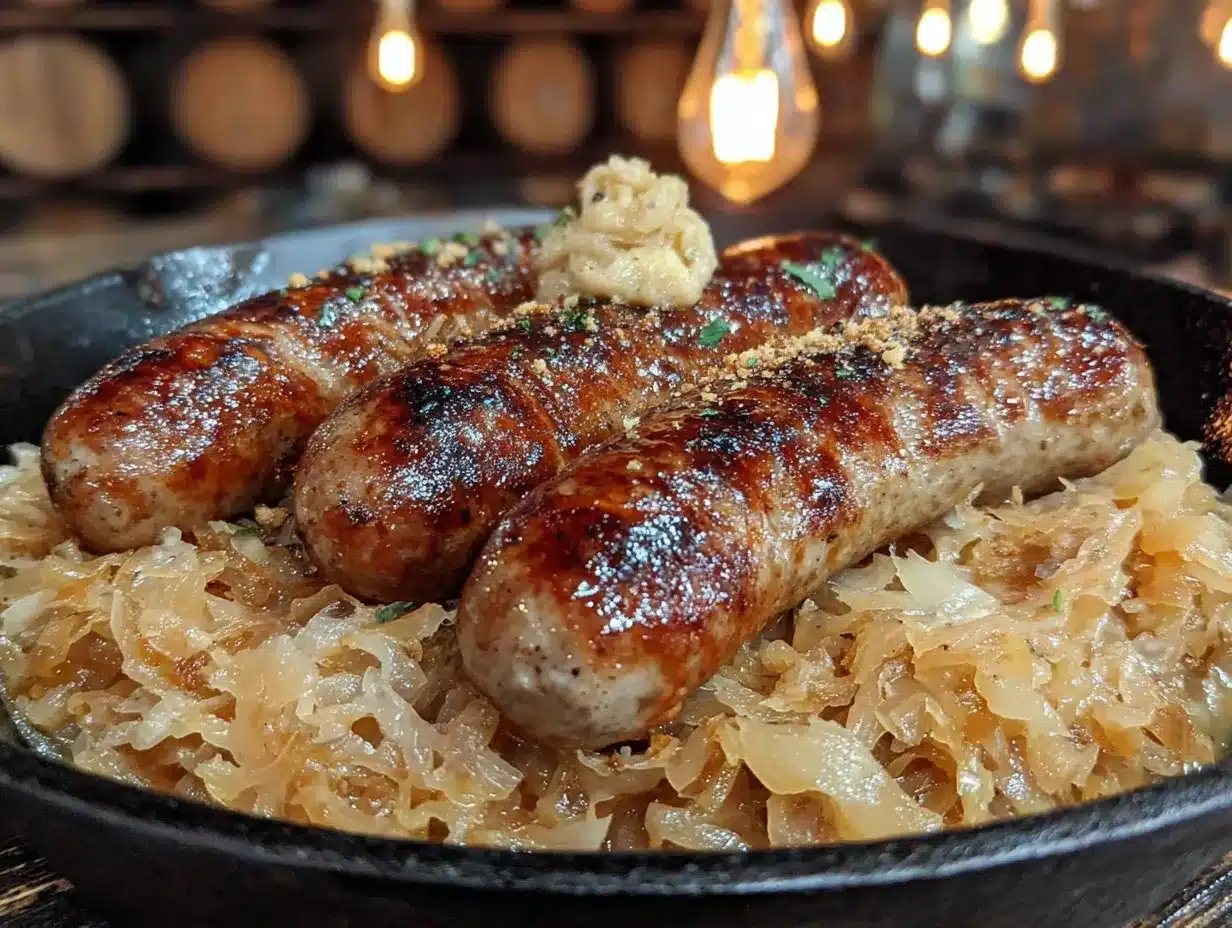
This comes together in one pan, which means less cleanup. Follow these steps, and you’ll have a fantastic meal in exactly 30 minutes.
- Brown the Bratwurst (5 minutes): Heat the olive oil in your large skillet over medium-high heat. Once the oil is shimmering, carefully add the bratwurst sausages. Cook them for about 2-3 minutes per side, turning with tongs, until they are deeply golden brown all over. Don’t overcrowd the pan; if you have 6 brats, you might need to do this in two batches. The goal is a nice crust, not to cook them through yet. Once browned, transfer the sausages to a plate and set them aside.
- Sauté the Onions (4 minutes): Reduce the heat to medium. Add the butter to the same skillet. Once it melts, add the sliced onion. Cook, stirring occasionally with your wooden spoon, for about 4 minutes, until the onion softens and starts to turn translucent. You can scrape up any browned bits from the bottom of the pan—that’s pure flavor.
- Build the Sauerkraut Base (2 minutes): Add the drained sauerkraut, apple juice, caraway seeds (if using), bay leaf, and black pepper to the skillet with the onions. Stir everything together to combine. Let it cook for about 1-2 minutes, just to bring the flavors together. The smell at this point is incredible—tangy, sweet, and earthy.
- Simmer the Brats (15 minutes): Nestle the browned bratwurst sausages back into the skillet, pushing them down into the sauerkraut mixture. The liquid from the apple juice and sauerkraut should come about halfway up the sides of the sausages. If it looks a little dry, add a splash of water or more apple juice. Bring the mixture to a gentle simmer, then reduce the heat to medium-low. Cover the skillet and let it cook for 15 minutes. This allows the sausages to cook through completely while absorbing all those wonderful flavors from the sauerkraut.
- Rest and Serve (2 minutes): After 15 minutes, the bratwurst should be cooked through (internal temperature of 160°F / 71°C). Carefully remove the bay leaf and discard it. Let the skillet rest, uncovered, for about 2 minutes before serving. This allows the juices to settle a bit. Serve the bratwurst on a platter with the sauerkraut spooned over the top, or serve them on buns with a generous pile of sauerkraut.
Pro Tip: If you want a bit more browning on the brats after simmering, you can remove the lid for the last 5 minutes of cooking and let the liquid reduce slightly. This will give the sausages a beautiful, glazed look.
Cooking Tips & Techniques
I’ve made this recipe so many times that I’ve learned a few tricks along the way. Some came from happy accidents, others from, well, less happy ones. Let me save you the trouble.
- Don’t Prick the Sausages: This is a big one. It’s tempting to prick the bratwurst with a fork to let the fat out, but don’t do it! That fat is what keeps them juicy. Pricking them will make them dry and tough. Just let them brown naturally in the pan.
- The Apple Juice is Not Optional: I know, it sounds a little strange. But trust me on this one. That splash of apple juice or cider is what transforms the sauerkraut from just “sour” to “sweet and tangy.” It rounds out the sharp edges and makes the whole dish more balanced. I once forgot to add it, and the kraut was just too harsh. Never again.
- Use a Heavy Pan: A thin-bottomed pan won’t give you a good sear. You need a heavy skillet (cast iron is king here) that holds onto heat. When you put the brats in, the pan temperature shouldn’t drop too much. If it does, the brats will steam instead of sear, and you’ll lose that lovely brown crust.
- Low and Slow for the Kraut: After you add the sauerkraut and apple juice, keep the heat at a gentle simmer. A rolling boil will just make the kraut mushy and evaporate all the liquid too quickly. You want it to cook gently so the flavors meld and the onions get soft.
- Timing is Everything: While the brats are simmering, that’s the perfect time to set the table, toast your buns, or whip up a quick side dish. I usually throw some German potato salad together or just slice some rye bread. It makes the whole process feel effortless.
Variations & Adaptations
This recipe is a fantastic base, but it’s also incredibly flexible. I’ve played around with it quite a bit, and here are some of my favorite twists. Feel free to make it your own.
- Beer-Braised Version: For a more traditional Oktoberfest flavor, substitute the apple juice with 1/2 cup of a good German lager or pilsner (like Weihenstephaner or Warsteiner). The beer adds a slightly bitter, malty note that pairs beautifully with the pork. Just simmer it the same way.
- Spicy Kick: If you like a little heat, add 1/2 teaspoon of red pepper flakes along with the caraway seeds. You can also use a spicy Italian sausage or andouille in place of the bratwurst for a totally different, but equally delicious, flavor profile.
- Add Some Apples: In the fall, I love to add one diced apple (like a Honeycrisp or Granny Smith) to the pan along with the onions. It adds another layer of sweetness and a slight textural contrast. It makes the dish feel even more autumnal.
- Dietary Adaptations: To make this gluten-free, simply serve the bratwurst and sauerkraut without buns or use gluten-free buns. Most bratwurst and sauerkraut are naturally gluten-free, but always check the labels to be sure. For a lower-carb option, skip the buns and serve it over a bed of roasted cabbage or cauliflower rice.
- Smoky Twist: Try using smoked bratwurst or kielbasa instead of fresh bratwurst. The smoky flavor adds a whole new dimension. If you do this, you can skip the browning step and just add the sausage directly to the sauerkraut to warm through.
Serving & Storage Suggestions
This dish is wonderful just as it is, but the right accompaniments can turn it into a real feast. Plus, leftovers are a gift.
- Serving Temperature & Presentation: Serve the bratwurst and sauerkraut hot, straight from the skillet. It’s a rustic dish, so don’t worry about being too fancy. Pile the sauerkraut over the sausages on a platter, or serve the sausages on toasted buns with a generous forkful of kraut on top. A dollop of whole grain mustard on the side is non-negotiable in my house. A sprinkle of fresh parsley adds a nice pop of green.
- Complementary Dishes: This skillet is a meal in itself, but it pairs beautifully with a few classic sides. A simple Tuscan white bean and sausage soup would be a fantastic starter for a larger Oktoberfest spread. For a starch, try German potato salad, soft pretzels with beer cheese, or some crusty rye bread. A crisp green salad with a tangy vinaigrette also cuts through the richness nicely.
- Storage Instructions: Store any leftovers in an airtight container in the refrigerator for up to 3-4 days. The flavors actually get even better as they meld together overnight. The sauerkraut will soften the brats a bit, but it’s still delicious.
- Reheating Methods: The best way to reheat this is in a skillet over medium-low heat. Add a splash of water or apple juice to the pan, cover it, and let it warm through for about 5-7 minutes. This helps the sausages stay moist. You can also reheat individual portions in the microwave, but the skillet method is superior for texture.
- Freezer Instructions: This dish freezes surprisingly well. Let it cool completely, then transfer it to a freezer-safe container. It will keep for up to 2-3 months. Thaw overnight in the refrigerator before reheating in a skillet.
Nutritional Information & Benefits
This is a hearty, satisfying meal, but it also has some surprising nutritional benefits. It’s a great example of how comfort food can be part of a balanced diet.
- Estimated Nutritional Values (Per Serving, based on 1 bratwurst and 1/4 of the sauerkraut mixture):
- Calories: ~380-450
- Fat: ~28-35g (mostly from the pork sausage)
- Protein: ~18-22g
- Carbohydrates: ~12-15g (from the sauerkraut, onions, and apple juice)
- Fiber: ~3-4g
- Sugar: ~7-10g (naturally occurring)
- Health Benefits of Key Ingredients:
- Sauerkraut is a fantastic source of probiotics (good gut bacteria), vitamin C, and vitamin K. It’s a fermented food, which is excellent for digestive health.
- Bratwurst provides high-quality protein and B vitamins, especially B12.
- Onions and Caraway Seeds are rich in antioxidants and have anti-inflammatory properties.
- Dietary Considerations: This recipe can be easily adapted to be gluten-free (check sausage and bun labels). It is naturally low-carb if you skip the bun. It is not suitable for a vegetarian or vegan diet without significant substitutions.
- Potential Allergens: This recipe contains pork (or beef, depending on the sausage) and may contain gluten (depending on the buns used). Always check your specific ingredient labels.
I love that this recipe feels indulgent, but it’s actually built on some really wholesome ingredients. It’s a meal that truly satisfies.
Conclusion
This Best 30-Minute Bratwurst and Sauerkraut Skillet Recipe is everything I wanted from an Oktoberfest dinner at home. It’s quick enough for a Tuesday night but special enough for a celebration. The brats stay juicy, the sauerkraut is perfectly balanced, and the whole thing comes together in one skillet. It’s the kind of recipe that feels like a hug on a plate, especially when the weather starts to turn cold.
I really hope you give this a try. Don’t be afraid to customize it to your taste—add more caraway, swap the apple juice for beer, or pile it high on a toasted bun. The beauty of a simple skillet meal is that it’s forgiving and easy to adapt. I’d love to hear how it turns out for you. Did you try a fun variation? Do you have a favorite side dish you served with it? Drop a comment below and let me know. Your feedback helps other readers too. And if you loved it, please share this recipe with a friend who needs a little Oktoberfest spirit in their life. Until next time, happy cooking!
Frequently Asked Questions
Can I use pre-cooked bratwurst for this recipe?
You can, but the texture won’t be quite the same. Fresh, uncooked bratwurst will brown better and stay juicier. If you use pre-cooked brats, just brown them quickly and then simmer them for a shorter time (about 5-7 minutes) just to warm them through, or they can get rubbery.
Do I have to rinse the sauerkraut before using it?
No, please don’t rinse it. You want that tangy brine for flavor. Just drain it well in a colander. If you find sauerkraut too sour for your taste, you can give it a quick rinse, but you’ll lose some of the character. The apple juice in this recipe does a great job of balancing the sourness.
Can I make this in a slow cooker instead?
Absolutely, though the texture will be softer. Brown the brats and onions in a skillet first, then transfer everything to a slow cooker. Cook on low for 4-6 hours or on high for 2-3 hours. You won’t get the same sear on the brats, but it’s a great hands-off option for a party.
What’s the best way to reheat leftovers without drying out the brats?
The skillet method is best. Add a splash of water or apple juice to a pan, add the leftover brats and kraut, cover, and warm over medium-low heat for 5-7 minutes. The steam from the liquid will keep the sausages moist. Avoid the microwave if you can, as it tends to make the brats rubbery.
Can I add other vegetables to this skillet?
Definitely! This is a great base for additions. Sliced bell peppers (especially red or yellow) are fantastic. You can also add some sliced mushrooms along with the onions. For a heartier dish, toss in some diced potatoes that have been par-cooked. Just make sure to adjust the cooking time so everything is tender.
Pin This Recipe!
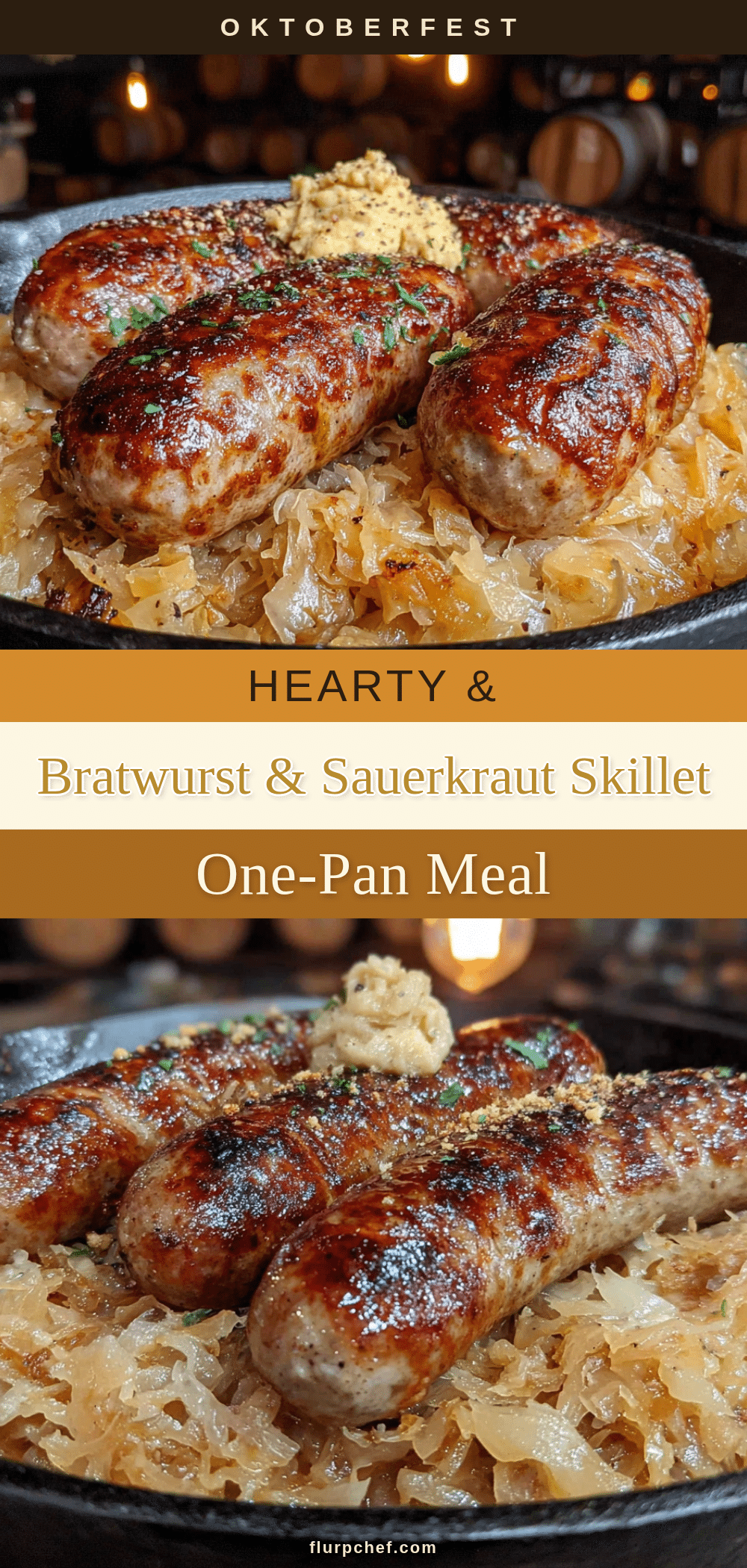
Best 30-Minute Bratwurst and Sauerkraut Skillet Recipe

This quick and easy one-skillet meal delivers juicy, browned bratwurst and perfectly balanced sauerkraut with a touch of sweetness from apple juice. Ready in just 30 minutes, it’s perfect for a cozy weeknight dinner or a festive Oktoberfest celebration.
- Prep Time: 5 minutes
- Cook Time: 25 minutes
- Total Time: 30 minutes
- Yield: 4 servings 1x
- Category: Main Course
- Cuisine: German
Ingredients
- 4–6 fresh bratwurst sausages (about 1.5 lbs total)
- 1 tablespoon olive oil or vegetable oil
- 1 medium yellow onion, thinly sliced
- 1 tablespoon unsalted butter
- 1 (14-ounce) jar or can sauerkraut, drained but not rinsed
- 1/2 cup apple juice or apple cider
- 1 teaspoon caraway seeds (optional)
- 1 bay leaf
- 1/4 teaspoon black pepper, freshly ground
- Salt to taste
- Whole grain mustard (for serving, optional)
- Fresh parsley, chopped (for serving, optional)
- Hot dog or hoagie buns (for serving, optional)
Instructions
- Brown the Bratwurst (5 minutes): Heat the olive oil in a large skillet over medium-high heat. Once the oil is shimmering, add the bratwurst sausages. Cook for 2-3 minutes per side, turning with tongs, until deeply golden brown all over. Transfer to a plate and set aside.
- Sauté the Onions (4 minutes): Reduce heat to medium. Add the butter to the same skillet. Once melted, add the sliced onion. Cook, stirring occasionally, for about 4 minutes until softened and translucent.
- Build the Sauerkraut Base (2 minutes): Add the drained sauerkraut, apple juice, caraway seeds (if using), bay leaf, and black pepper to the skillet. Stir to combine and cook for 1-2 minutes.
- Simmer the Brats (15 minutes): Nestle the browned bratwurst back into the skillet, pushing them into the sauerkraut mixture. Bring to a gentle simmer, then reduce heat to medium-low. Cover and cook for 15 minutes, until sausages are cooked through (internal temperature 160°F / 71°C).
- Rest and Serve (2 minutes): Remove the bay leaf and discard. Let the skillet rest, uncovered, for 2 minutes before serving. Serve bratwurst with sauerkraut spooned over the top, or on buns with a generous pile of sauerkraut.
Notes
Don’t prick the sausages; the fat keeps them juicy. The apple juice is not optional—it balances the sauerkraut’s acidity. Use a heavy pan for a good sear. For extra browning, remove the lid for the last 5 minutes of simmering.
Nutrition
- Serving Size: 1 bratwurst with 1/4
- Calories: 380450
- Sugar: 710
- Sodium: 8001000
- Fat: 2835
- Saturated Fat: 1012
- Carbohydrates: 1215
- Fiber: 34
- Protein: 1822
Keywords: bratwurst, sauerkraut, skillet, Oktoberfest, 30-minute, one-pan, German recipe