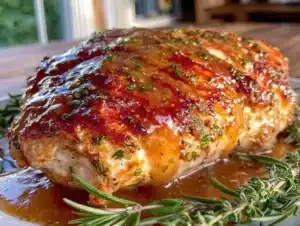
My brother-in-law claimed he hated salmon for fifteen years. Fifteen years of side-eyeing it at family dinners, of politely pushing it around his plate, of declaring it “too fishy” and “dry” and “basically a punishment.” Then, last spring, I made this garlic butter salmon with asparagus for a little get-together at my place. I wasn’t trying to prove a point—honestly, I was just craving something that felt special without requiring me to spend all day in the kitchen. I set the platter down, and my brother-in-law grabbed a piece before I could even say it was salmon. He took a bite, closed his eyes for a second, and reached for another. I didn’t say a word. I just let the garlic butter do the talking.
That moment kind of sums up why this recipe has become my go-to when I’m hosting. It’s not about tricking anyone. It’s about making something so genuinely good that it changes minds without you even trying. The salmon comes out tender and flaky, the asparagus gets perfectly crisp-tender, and that garlic butter sauce—well, let’s just say people fight over the last bit to drizzle over everything else on their plate. Maybe you’ve been there, stuck with a guest who claims they don’t like fish. I get it. But trust me on this one. This dish has a way of making skeptics into believers, one buttery, garlicky bite at a time. And honestly, that quiet satisfaction of watching someone prove themselves wrong? That’s the best part of hosting.
Why You’ll Love This Recipe
This easy garlic butter salmon with asparagus isn’t just another weeknight dinner recipe. It’s the kind of dish that makes you look like a rockstar in the kitchen without actually working that hard. Here’s why it keeps showing up at my dinner parties and why it’ll become your new secret weapon for impressing a crowd.
- Quick & Easy : From start to finish, this dish comes together in under 25 minutes. That’s faster than ordering takeout, and way more impressive. Perfect for those evenings when you want to serve something special but don’t have hours to spend.
- Simple Ingredients : You probably already have most of these in your kitchen. Butter, garlic, lemon, salt, pepper. No fancy grocery store trips required. The salmon and asparagus are the stars, and they don’t need much to shine.
- Perfect for Hosting : This is my absolute favorite dish to make when friends come over. It’s elegant enough for a dinner party, but simple enough for a casual weeknight gathering. Plus, it cooks in one pan, which means less cleanup and more time with your guests.
- Crowd-Pleaser : I’ve served this to picky eaters, seafood skeptics, and even my uncle who swears he doesn’t like vegetables. Every single person has asked for the recipe. The garlic butter sauce is basically magic—it makes everything irresistible.
- Unbelievably Delicious : The combination of crispy, golden-brown salmon and tender asparagus, all coated in a rich, garlicky butter sauce with a bright squeeze of lemon—it’s comfort food that feels fancy. The texture contrast alone is worth making this dish.
What makes this recipe different from the dozens of other salmon recipes out there? It’s the technique. Instead of overcooking the fish or ending up with soggy asparagus, this method uses a single skillet and careful timing to get everything just right. The butter browns slightly, the garlic infuses the oil, and the lemon cuts through the richness perfectly. It’s not just another version—it’s the version I’ve tested and tweaked until it was absolutely foolproof. And when you serve it to your guests, seeing their faces light up after that first bite? That’s the moment you’ll know it was worth every bit of effort.
What Ingredients You Will Need
This recipe uses simple, fresh ingredients that work together to create something truly special. You don’t need a long list of obscure items—just a few good-quality staples and the star players. Here’s what you’ll need and why each one matters.
- Salmon Fillets (4 fillets, about 6 ounces each) : Look for fillets that are roughly the same thickness so they cook evenly. I prefer wild-caught salmon when I can find it, but farm-raised works beautifully too. The key is fresh salmon with bright color and no fishy smell. If you’re using frozen, thaw it completely in the fridge overnight and pat it very dry before cooking.
- Asparagus (1 pound, trimmed) : Fresh asparagus adds a lovely crunch and earthy flavor that pairs perfectly with the rich salmon and butter sauce. Look for spears that are bright green with firm, closed tips. Thicker spears hold up better in the pan, but thin ones work too—just reduce the cooking time slightly.
- Unsalted Butter (4 tablespoons, divided) : Butter is the backbone of this dish. Using unsalted butter lets you control the salt level. You’ll use some for cooking the salmon and some for the sauce. I recommend a good-quality European-style butter for extra richness, but regular butter works just fine.
- Garlic (4 cloves, minced) : Fresh garlic is non-negotiable here. The pre-minced stuff in a jar won’t give you the same fragrant, punchy flavor. Take the extra minute to peel and mince fresh cloves—your taste buds will thank you.
- Lemon (1 large lemon) : You’ll use both the juice and the zest. The zest adds bright, aromatic flavor without acidity, while the juice cuts through the richness of the butter and salmon. Roll the lemon on the counter before juicing to get the most out of it.
- Olive Oil (1 tablespoon) : A little olive oil helps prevent the butter from burning and adds another layer of flavor. Use a good-quality extra virgin olive oil if you have it, but regular olive oil works too.
- Salt and Black Pepper (to taste) : Simple seasonings that let the natural flavors shine. I use kosher salt for its clean taste and easy pinchability. Freshly ground black pepper makes a difference here—skip the pre-ground stuff for this one.
- Red Pepper Flakes (optional, ¼ teaspoon) : This is my little secret. A tiny pinch adds a subtle warmth that doesn’t make the dish spicy, just more interesting. Feel free to skip it if you’re sensitive to heat, but I think it really elevates the flavor.
- Fresh Parsley (for garnish, optional) : A sprinkle of fresh parsley adds color and a fresh, herbaceous note. It’s not essential, but it makes the dish look gorgeous on the platter.
Equipment Needed
You don’t need a fancy kitchen to pull off this recipe. Here’s what I use and what you can substitute if needed.
- Large Skillet (12-inch) : A heavy-bottomed skillet is your best friend here. I use a cast-iron skillet because it holds heat beautifully and gives the salmon a gorgeous golden crust. A stainless steel or non-stick skillet works great too. Just avoid anything too thin, which can cause hot spots and uneven cooking.
- Tongs : For flipping the salmon and turning the asparagus. Silicone-tipped tongs are gentle on non-stick pans, but metal ones work fine for cast iron.
- Fish Spatula (optional but helpful) : A thin, slotted spatula makes flipping salmon fillets a breeze without breaking them apart. If you don’t have one, a regular spatula works—just be gentle.
- Cutting Board and Sharp Knife : For trimming the asparagus and mincing the garlic. A sharp knife makes the prep work feel effortless.
- Measuring Spoons : For measuring the butter, oil, and seasonings. I like having these handy even though I often eyeball things.
- Paper Towels : Essential for patting the salmon dry. This step is crucial for getting that perfect sear, so don’t skip it.
I’ve made this recipe with a cheap non-stick pan and a flimsy spatula, and it still turned out delicious. The equipment matters, but technique matters more. Use what you have and don’t stress about having the perfect tools.
Preparation Method
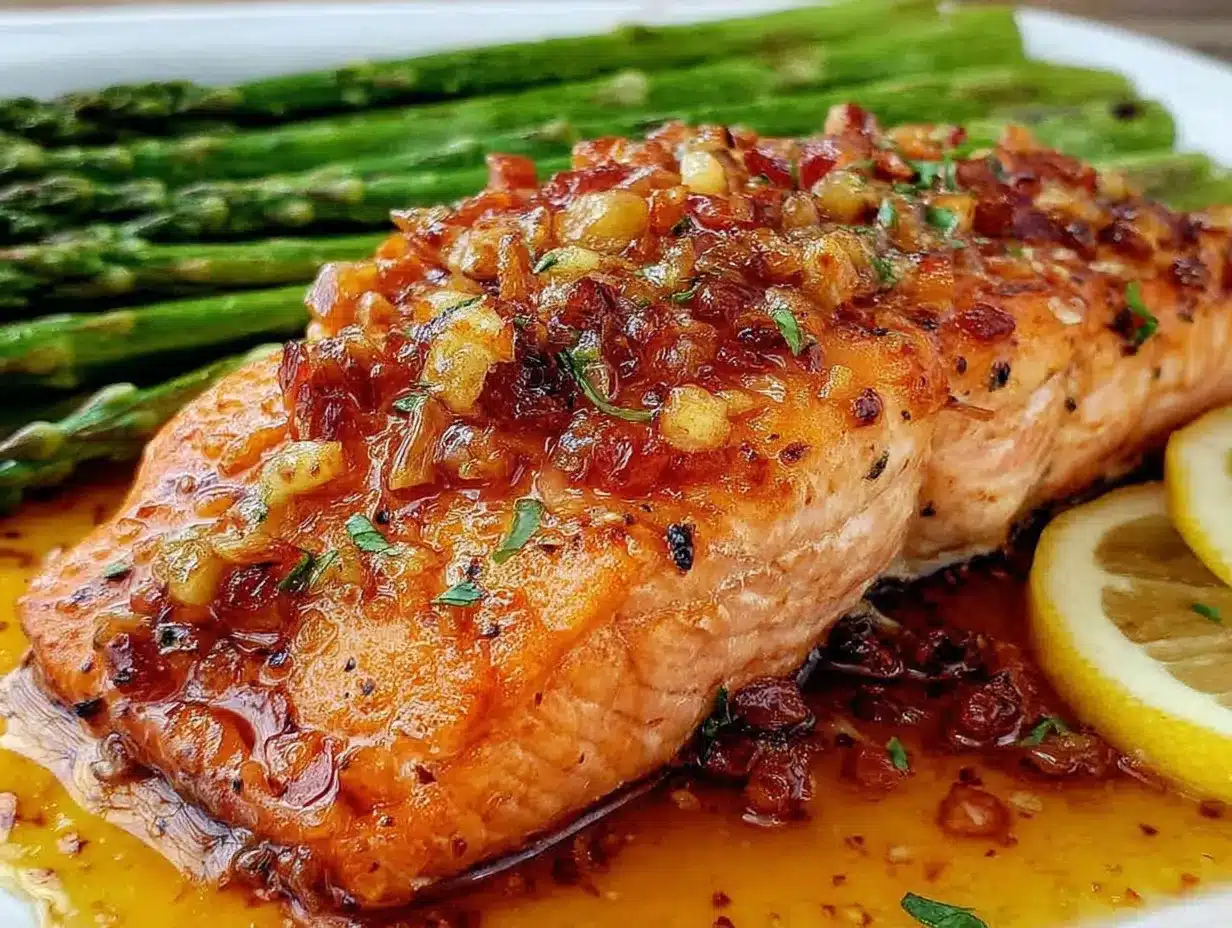
Let me walk you through this step by step. I’ve made this dish dozens of times, and these are the exact techniques that give you perfect results every time.
- Prep your ingredients : Start by taking the salmon out of the fridge about 10 minutes before cooking. This helps it cook more evenly. Pat the fillets dry with paper towels—this is crucial for getting that golden crust. Season both sides generously with salt and pepper. Trim the woody ends off the asparagus (just bend a spear near the bottom and it’ll snap at the natural breaking point, then line up the rest and cut them to match). Mince your garlic and zest your lemon.
- Heat the pan : Place your skillet over medium-high heat and add 1 tablespoon of olive oil and 1 tablespoon of butter. Swirl the pan to combine. Wait until the butter stops foaming and just starts to brown slightly—you want it hot but not smoking. This usually takes about 2 minutes.
- Sear the salmon : Place the salmon fillets skin-side down (if they have skin) in the hot pan. If they’re skinless, just place them presentation-side down first. Don’t crowd the pan—leave a little space between each fillet. Let them cook without moving for 4 minutes. I know it’s tempting to peek, but trust the process. The salmon will release easily from the pan when it’s ready to flip. If it sticks, give it another 30 seconds.
- Flip and finish cooking : Carefully flip the salmon fillets using your spatula or tongs. Add another tablespoon of butter to the pan, swirling it around the fillets. Cook for another 3-4 minutes, depending on thickness. The salmon is done when it’s opaque throughout and flakes easily with a fork. For medium-rare, aim for an internal temperature of 125°F. For well-done, go to 140°F. I prefer mine around 130°F—still moist and tender in the center.
- Remove the salmon and cook the asparagus : Transfer the cooked salmon to a plate and tent loosely with foil to keep warm. Don’t wipe out the pan—all that buttery goodness is flavor gold. Add the remaining 2 tablespoons of butter to the pan along with the minced garlic. Cook for about 30 seconds until fragrant, scraping up any browned bits from the bottom of the pan.
- Cook the asparagus : Add the trimmed asparagus to the pan. Toss to coat in the garlic butter. Cook for 3-5 minutes, depending on thickness, until the asparagus is bright green and crisp-tender. I like mine with a little bite—not mushy. Season with a pinch of salt and pepper, and add the red pepper flakes if using.
- Finish with lemon : Squeeze the juice of half the lemon over the asparagus and sprinkle the lemon zest over everything. Give it a final toss.
- Assemble and serve : Arrange the asparagus on a serving platter. Place the salmon fillets on top or alongside. Spoon any remaining garlic butter from the pan over the salmon. Garnish with fresh parsley and lemon wedges. Serve immediately while everything is hot.
A quick note on timing: If you’re serving a crowd, you can cook the salmon in batches. Just keep the first batch warm in a low oven (200°F) while you finish the rest. The asparagus is best cooked fresh, so wait until just before serving to cook it.
Cooking Tips & Techniques
After making this dish more times than I can count, I’ve picked up a few tricks that make a real difference. Let me share them with you so you can avoid my early mistakes.
Don’t crowd the pan : This is the number one mistake I see home cooks make. If you put too many fillets in the pan at once, the temperature drops and the salmon steams instead of searing. You end up with pale, sad fish instead of that gorgeous golden crust. Cook in batches if you need to. Your patience will be rewarded.
Pat the salmon dry : I cannot stress this enough. Wet salmon won’t brown properly. Take an extra minute to really dry those fillets with paper towels. I even let them sit on a paper towel-lined plate for a few minutes while I prep other things. The drier the surface, the better the crust.
Watch the garlic : Garlic burns in seconds. When you add it to the pan after removing the salmon, keep it moving and don’t walk away. Thirty seconds is usually perfect—any longer and it turns bitter. If you see it browning too quickly, remove the pan from the heat briefly.
Use a thermometer : I know, I know, it feels fussy. But a simple instant-read thermometer takes the guesswork out of cooking salmon. Stick it into the thickest part of the fillet. At 125°F, the salmon is perfectly medium-rare—still translucent in the center but cooked through. At 135°F, it’s more well-done but still moist. Anything above 145°F starts getting dry and flaky in a not-good way.
Multitask like a pro : While the salmon is searing, use that time to mince your garlic, zest your lemon, and chop your parsley. The actual hands-on cooking time is only about 10 minutes, but having everything prepped and ready makes the process feel effortless. I learned this the hard way after burning garlic while frantically searching for my lemon zester.
One pan, less stress : The beauty of this recipe is that everything cooks in the same skillet. The fond (those browned bits left after searing the salmon) adds incredible flavor to the asparagus and sauce. Don’t waste it by washing the pan between steps. That’s flavor you can’t buy in a store.
Variations & Adaptations
This recipe is incredibly flexible. Here are some ways I’ve adapted it over the years for different diets, seasons, and cravings.
Dietary Adaptations :
- Dairy-Free : Substitute the butter with a high-quality vegan butter or use extra olive oil. The flavor changes slightly, but it’s still delicious. I’ve used Miyoko’s vegan butter with great results.
- Low-Carb/Keto : This recipe is already naturally low in carbs. Replace the asparagus with broccoli florets or zucchini slices if you want to mix it up. Both work beautifully with the garlic butter.
- Gluten-Free : This dish is naturally gluten-free. Just double-check that your seasonings and any added ingredients are certified gluten-free if you’re serving someone with celiac disease.
Flavor Variations :
- Herb Butter Salmon : Add a tablespoon of fresh dill, thyme, or rosemary to the butter while it melts. The herbs infuse the oil and add a whole new dimension of flavor. I love dill with salmon—it’s a classic combination for good reason.
- Spicy Cajun Salmon : Skip the red pepper flakes and instead season the salmon with a teaspoon of Cajun seasoning before searing. The smoky, spicy flavor is incredible, especially if you’re serving a crowd that likes heat.
- Honey Garlic Salmon : Add a tablespoon of honey to the butter along with the garlic. The sweetness balances the savory flavors and creates a gorgeous glaze on the salmon. My niece requests this version every time she visits.
Seasonal Swaps :
- Spring : Use fresh asparagus and add a handful of snap peas or sugar snap peas to the pan. The extra crunch is lovely.
- Summer : Swap the asparagus for green beans or zucchini. Cherry tomatoes thrown in at the end add a burst of sweetness.
- Fall/Winter : Use roasted Brussels sprouts or broccolini instead of asparagus. The heartier vegetables hold up well to the rich butter sauce.
I once made this with frozen asparagus in a pinch during a snowstorm, and honestly? It was still pretty great. The texture wasn’t as crisp, but the flavor was all there. So don’t let seasonal availability stop you—just adjust your cooking time slightly.
Serving & Storage Suggestions
This dish is best served fresh and hot, but here’s how to make the most of it whether you’re eating it right away or saving leftovers.
Serving : Serve the garlic butter salmon and asparagus immediately after cooking, while the salmon is still warm and flaky and the asparagus has that perfect crisp-tender bite. I like to arrange the asparagus on a large platter, lay the salmon fillets on top, and spoon any remaining garlic butter from the pan over everything. Garnish with fresh parsley and lemon wedges on the side. For a complete meal, serve with rice, quinoa, or crusty bread to soak up every last drop of that incredible garlic butter sauce. A simple side salad with a light vinaigrette also works beautifully.
What to Serve Alongside : If you’re hosting, this dish pairs wonderfully with roasted potatoes, garlic bread, or a light cucumber salad. For drinks, a crisp white wine like Sauvignon Blanc or Pinot Grigio complements the richness of the butter and salmon perfectly. Sparkling water with lemon is a great non-alcoholic option.
Storage : Store leftover salmon and asparagus separately in airtight containers in the refrigerator. The salmon will keep for up to 3 days, and the asparagus for about 2 days. The asparagus tends to get softer over time, so it’s best eaten sooner rather than later.
Reheating : The best way to reheat salmon is gently. Place it in a skillet over low heat with a splash of water or broth, cover, and warm for 2-3 minutes. You can also reheat it in the oven at 300°F for about 5-7 minutes. Avoid the microwave—it will dry out the salmon and make the asparagus mushy. For the asparagus, a quick sauté in a hot pan with a little butter works wonders.
Make-Ahead Tips : If you’re hosting, you can prep everything in advance. Trim the asparagus, mince the garlic, zest and juice the lemon, and season the salmon. Store everything separately in the fridge. When your guests arrive, all you have to do is cook. It takes less than 15 minutes from pan to platter, which means you can spend more time with your friends and less time in the kitchen.
Nutritional Information & Benefits
This dish isn’t just delicious—it’s packed with nutrients that make it a smart choice for a healthy meal. Here’s a rough breakdown per serving (one salmon fillet plus asparagus and sauce):
- Calories : Approximately 450-500
- Protein : 35-40 grams
- Fat : 30-35 grams (mostly healthy fats from salmon and butter)
- Carbohydrates : 8-10 grams
- Fiber : 3-4 grams
- Sugar : 3-4 grams (natural sugars from asparagus and lemon)
Health Benefits : Salmon is one of the best sources of omega-3 fatty acids, which are essential for heart health, brain function, and reducing inflammation. It’s also packed with high-quality protein, B vitamins, and selenium. Asparagus is a nutritional powerhouse in its own right—it’s rich in fiber, folate, vitamins A, C, E, and K, and antioxidants that support overall health. The garlic in this recipe isn’t just for flavor; it contains compounds that may boost immune function and reduce blood pressure. Even the butter, in moderation, provides fat-soluble vitamins like A, D, and E.
Dietary Considerations : This recipe is naturally gluten-free and low-carb, making it suitable for many dietary preferences. It’s also relatively low in sugar and can be adapted for dairy-free diets as mentioned above. If you’re watching your sodium intake, go easy on the added salt since salmon has some natural sodium.
I personally love that this dish feels indulgent but is actually really good for you. It’s the kind of meal that satisfies your cravings while nourishing your body, which is exactly what I look for when I’m cooking for myself or for people I care about.
Conclusion
There’s a reason this easy garlic butter salmon with asparagus has become my most-requested dish for dinner parties and family gatherings. It’s simple enough for a beginner to pull off, elegant enough to impress even the pickiest eaters, and absolutely packed with flavor that makes everyone go back for seconds. The golden-crusted salmon, the crisp-tender asparagus, the rich garlic butter sauce with its bright lemon finish—every element works together to create something truly special.
I love this recipe because it reminds me that you don’t need complicated techniques or a long list of ingredients to make something memorable. Sometimes the best dishes come from letting a few good ingredients shine, with a little patience and a lot of butter. Whether you’re cooking for a crowd or just treating yourself to a nice dinner, this salmon is worth every minute you spend in the kitchen.
Now I want to hear from you! Have you tried this recipe? Did you add your own twist? Drop a comment below and let me know how it turned out. And if you loved it, share this post with a friend who needs a foolproof dinner recipe in their life. Happy cooking, friends—I’m rooting for you and that perfect golden crust!
Frequently Asked Questions
Can I use frozen salmon for this recipe?
Yes, you can use frozen salmon, but it’s important to thaw it completely first. Place the frozen fillets in the refrigerator overnight, or for a quicker method, submerge them in a bowl of cold water for about 30 minutes. Once thawed, pat the salmon very dry with paper towels before seasoning and cooking. Frozen salmon tends to release more water as it cooks, so getting it as dry as possible is key to achieving that nice golden crust.
How do I know when the salmon is cooked through?
The most reliable way is to use an instant-read thermometer. Insert it into the thickest part of the fillet. For medium-rare, aim for 125°F. For medium, go to 130-135°F. For well-done, 140°F is the max before it starts drying out. If you don’t have a thermometer, look for visual cues: the salmon should be opaque throughout and flake easily when gently pressed with a fork. The center should no longer look translucent or raw.
Can I make this recipe without asparagus?
Absolutely. Asparagus is my go-to because it cooks quickly and pairs beautifully with salmon, but you can substitute it with almost any vegetable. Green beans, broccoli, zucchini, snap peas, or even spinach all work well. Just adjust the cooking time based on the vegetable you choose. Heartier vegetables like broccoli might need an extra minute or two, while delicate spinach will wilt in about 30 seconds.
How do I prevent the salmon from sticking to the pan?
Two things matter here: a hot pan and dry salmon. Make sure your skillet is hot before adding the oil and butter—you should see the butter sizzle when it hits the pan. Also, pat the salmon fillets very dry with paper towels before seasoning. When you place the salmon in the pan, let it cook undisturbed for 3-4 minutes. It will release naturally when a good crust has formed. If it’s sticking, it’s not ready to flip yet. Give it another 30 seconds and try again.
Can I double this recipe for a larger crowd?
Yes, but you’ll need to cook the salmon in batches. Crowding the pan causes the temperature to drop, which leads to steaming instead of searing. Cook the salmon in two batches, keeping the first batch warm in a low oven (200°F) while you finish the second. You can cook all the asparagus at once in the same pan after the salmon is done—just make sure your pan is large enough to hold it in a single layer. If not, cook the asparagus in batches too.
Pin This Recipe!
Easy Garlic Butter Salmon with Asparagus for Beginners
This easy garlic butter salmon with asparagus is a quick, one-pan dish that turns seafood skeptics into believers. Tender, flaky salmon and crisp-tender asparagus are coated in a rich garlic butter sauce with a bright lemon finish, perfect for weeknight dinners or impressing guests.
- Prep Time: 10 minutes
- Cook Time: 15 minutes
- Total Time: 25 minutes
- Yield: 4 servings 1x
- Category: Main Course
- Cuisine: American
Ingredients
- 4 salmon fillets (about 6 ounces each)
- 1 pound asparagus, trimmed
- 4 tablespoons unsalted butter, divided
- 4 cloves garlic, minced
- 1 large lemon (juice and zest)
- 1 tablespoon olive oil
- Salt and black pepper to taste
- ¼ teaspoon red pepper flakes (optional)
- Fresh parsley for garnish (optional)
Instructions
- Prep your ingredients: Take salmon out of fridge 10 minutes before cooking. Pat fillets dry with paper towels and season both sides with salt and pepper. Trim woody ends off asparagus. Mince garlic and zest lemon.
- Heat the pan: Place a large skillet over medium-high heat and add 1 tablespoon olive oil and 1 tablespoon butter. Swirl to combine. Wait until butter stops foaming and just starts to brown slightly (about 2 minutes).
- Sear the salmon: Place salmon fillets skin-side down in hot pan. Cook without moving for 4 minutes until golden crust forms.
- Flip and finish cooking: Carefully flip fillets. Add another tablespoon of butter, swirling around fillets. Cook 3-4 minutes more until opaque and flakes easily (internal temp 125°F for medium-rare to 140°F for well-done).
- Remove salmon and cook asparagus: Transfer salmon to plate and tent with foil. Add remaining 2 tablespoons butter and minced garlic to pan. Cook 30 seconds until fragrant, scraping up browned bits.
- Cook the asparagus: Add trimmed asparagus to pan. Toss to coat in garlic butter. Cook 3-5 minutes until bright green and crisp-tender. Season with salt, pepper, and red pepper flakes if using.
- Finish with lemon: Squeeze juice of half lemon over asparagus and sprinkle lemon zest over everything. Toss to combine.
- Assemble and serve: Arrange asparagus on platter. Place salmon on top or alongside. Spoon remaining garlic butter from pan over salmon. Garnish with parsley and lemon wedges. Serve immediately.
Notes
Don’t crowd the pan—cook salmon in batches if needed. Pat salmon very dry for best crust. Watch garlic carefully as it burns quickly. Use an instant-read thermometer for perfect doneness. Prep all ingredients before cooking for a smooth process.
Nutrition
- Serving Size: 1 salmon fillet with
- Calories: 475
- Sugar: 4
- Sodium: 400
- Fat: 33
- Saturated Fat: 12
- Carbohydrates: 9
- Fiber: 4
- Protein: 38
Keywords: garlic butter salmon, salmon with asparagus, one-pan salmon, easy salmon recipe, beginner salmon, healthy dinner, low-carb salmon, gluten-free salmon