This was supposed to be a simple roasted turkey. Just your standard, oven-bagged, seasoned-with-store-bought-stuff bird that everyone’s grandma made. I had the whole day planned out—wake up early, prep the bird, pop it in by noon, and have the rest of the afternoon free to watch the parade and nibble on appetizers. But then I grabbed the wrong bottle from the back of the fridge. I was reaching for a simple garlic-infused olive oil, and my hand closed around a jar of Cajun butter sauce I’d made for shrimp the week before. The label was half-peeled off, and honestly, I was already running late because I’d forgotten to take the turkey out of the fridge to come to room temperature. You know that feeling when the clock is ticking and you’re just making decisions based on pure survival instinct? That was me.
I stared at that jar of Cajun butter for a solid ten seconds. The turkey was still cold. The butter was solid. And I had this wild, probably stupid, idea. What if I just… injected it? I mean, I had a syringe from brining a chicken last summer. The whole plan felt reckless. I was imagining the smoke alarm going off and everyone standing around a blackened bird. But something about the deep orange color of that butter, the smell of paprika and cayenne cutting through the kitchen, it just felt right for a November afternoon. I went for it. I melted the butter, loaded the syringe, and started pumping that spicy, rich goodness into every part of that bird I could reach. It was messy. Butter dripped down the counter. I got some on my sleeve. I honestly thought I’d ruined dinner.
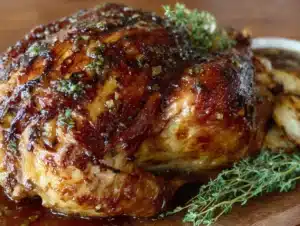
What came out of the oven four hours later was nothing like the plan—and better. The skin was this deep, burnished bronze color, crackling when I touched it. The meat was so juicy it practically fell off the bone. And that Cajun flavor? It had worked its way into every single bite, not just sitting on the surface. My brother-in-law, who claims he “doesn’t do spicy,” asked for seconds. Then thirds. I sat there with a mouthful of the best turkey I’d ever made, just shaking my head. A total accident. A distracted moment. And now I can’t imagine Thanksgiving any other way.
Why You’ll Love This Recipe
Let me tell you, I’ve tested this recipe more times than I care to admit. Three different turkeys, two different injectors, and one very memorable incident where I forgot to strain the butter and clogged the needle with a piece of garlic. I learned the hard way so you don’t have to. This isn’t just another turkey recipe—it’s the one that will make your guests ask for the recipe before they’ve even finished their first helping.
- Unbelievably Juicy: The butter injection works its way into the deepest parts of the breast and thighs. No more dry, white meat. Every slice is moist and flavorful.
- Bold Cajun Flavor: This isn’t a timid turkey. The paprika, cayenne, garlic, and herbs create a spicy, savory crust and a deeply seasoned interior that’s anything but boring.
- Simple Ingredients: You probably have most of the spices in your cabinet right now. No weird, hard-to-find items. Just butter and a few pantry staples.
- Perfect for Thanksgiving: This is the showstopper. The one that gets photographed before it’s carved. It fits right in with all the classic sides but brings a whole new level of excitement to the table.
- Crowd-Pleaser: I’ve served this to spice-wimps and heat-seekers alike. The flavor is bold but not overwhelming. Everyone finds something to love.
- Stress-Free Method: Once the injection is done, you basically just let the oven do the work. It’s forgiving and hard to mess up (trust me, I’ve tried).
What makes this recipe different from every other turkey out there is the technique. It’s not just about rubbing seasoning on the skin. That only flavors the outside. By injecting the Cajun butter directly into the meat, you’re guaranteeing flavor in every single bite. Plus, the butter keeps the meat incredibly moist as it roasts. It’s comfort food reimagined—familiar enough for Thanksgiving tradition, but exciting enough to feel new. Honestly, it’s the kind of recipe that makes you close your eyes after the first bite.
What Ingredients You Will Need
This recipe uses simple, wholesome ingredients to deliver that bold Cajun flavor and incredibly juicy texture. Most of these are pantry staples, especially if you keep a well-stocked spice drawer. The magic really happens with the butter and the spice blend, so don’t skimp on quality here.
For the Cajun Butter Injection
- 1 cup (2 sticks) unsalted butter – Use good quality butter here. It’s the base of the whole recipe. I personally prefer Kerrygold for its richness, but any unsalted butter works.
- 2 tablespoons Cajun seasoning – You can use store-bought, but I recommend making your own for the best flavor. See the spice blend below.
- 1 tablespoon smoked paprika – This adds a deep, smoky color and flavor that regular paprika just can’t match.
- 1 teaspoon cayenne pepper – Adjust this to your heat preference. For a milder bird, use ½ teaspoon. For more kick, go up to 1½ teaspoons.
- 1 tablespoon garlic powder – Not garlic salt. We want pure garlic flavor without the extra sodium.
- 1 tablespoon onion powder – Adds a savory backbone to the butter.
- 1 teaspoon dried thyme – A classic poultry herb that pairs beautifully with Cajun spices.
- 1 teaspoon dried oregano – Adds an earthy, slightly bitter note that balances the richness.
- ½ teaspoon black pepper – Freshly ground is always better.
- 1 teaspoon salt – I use kosher salt. If you only have table salt, use ¾ teaspoon.
For the Turkey
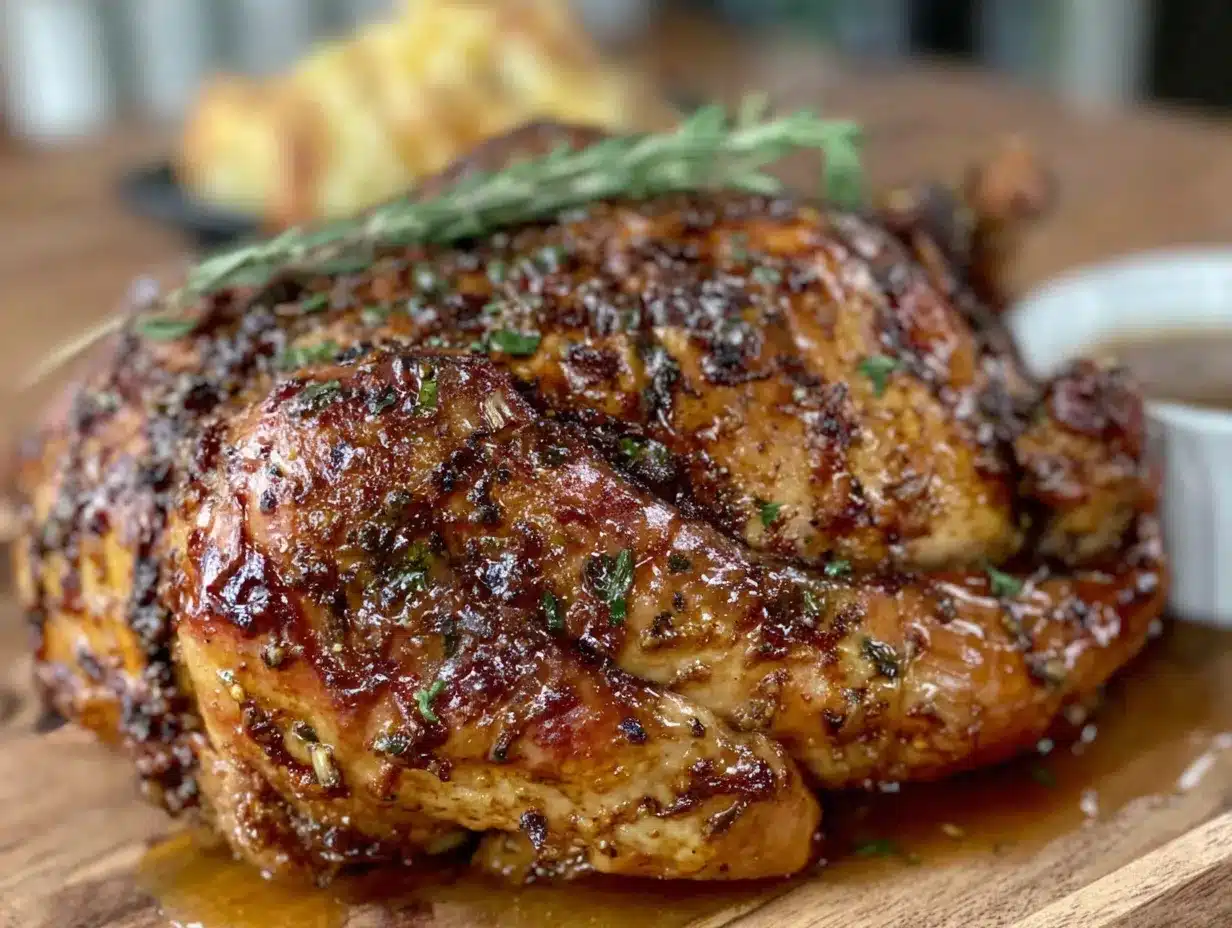
- 1 whole turkey (12-14 pounds) – Thawed completely if frozen. Make sure it’s fully defrosted for even cooking. A 12-14 pound bird is the perfect size for this injection method.
- 2 tablespoons olive oil – For rubbing on the skin to help it crisp up.
- 1 tablespoon Cajun seasoning – For the outside rub. This creates that beautiful, flavorful crust.
- 1 onion, quartered – For stuffing the cavity. Adds moisture and flavor from the inside out.
- 4 cloves garlic, smashed – Toss these into the cavity as well. They’ll perfume the meat as it roasts.
- 2 cups chicken broth (or turkey broth) – For the bottom of the roasting pan. This creates steam and prevents the drippings from burning.
Substitution Guidance
If you’re watching your sodium, use unsalted butter and low-sodium broth, and reduce the added salt in the injection to ½ teaspoon. For a dairy-free option, you can substitute the butter with a high-quality vegan butter stick (not the spreadable kind in a tub). The texture will be slightly different, but the flavor will still be fantastic. If you can’t find Cajun seasoning, you can easily make your own by combining 1 tablespoon paprika, 1 teaspoon garlic powder, 1 teaspoon onion powder, 1 teaspoon dried oregano, ½ teaspoon cayenne, and ½ teaspoon black pepper.
Equipment Needed
- Meat Injector (Syringe): This is the most important tool. You can find them at most grocery stores or online for under $10. Look for one with a thick needle that won’t clog easily. I’ve used a cheap plastic one for years and it works fine.
- Small Saucepan: For melting and mixing the butter with the spices.
- Fine-Mesh Strainer: Optional but highly recommended. Straining the butter removes any spice solids that could clog your injector needle.
- Large Roasting Pan: With a rack if possible. The rack keeps the turkey elevated so it cooks evenly and the bottom doesn’t get soggy.
- Meat Thermometer: This is non-negotiable for poultry. An instant-read thermometer is great, but a leave-in probe thermometer is even better so you don’t have to keep opening the oven.
- Basting Brush: For applying the olive oil and any extra butter to the skin.
- Kitchen Twine: For trussing the legs. It helps the turkey cook more evenly.
Preparation Method
- Prep the Turkey (30 minutes before injecting): Take your turkey out of the fridge and remove it from all packaging. Remove the neck and giblets from the cavities (check both ends!). Pat the turkey completely dry with paper towels—inside and out. This is crucial. Any excess moisture will steam the skin instead of letting it crisp up. Let it sit on the counter for 30 minutes to take the chill off. Cold meat doesn’t absorb the injection as well.
- Make the Cajun Butter (10 minutes): In a small saucepan over low heat, melt the 2 sticks of unsalted butter. Once melted, whisk in the Cajun seasoning, smoked paprika, cayenne, garlic powder, onion powder, dried thyme, dried oregano, black pepper, and salt. Keep the heat low—you don’t want to brown the butter. You just want everything to dissolve and become fragrant. This should take about 3-4 minutes. Remove from heat and let it cool for 5 minutes. It needs to be warm (not hot) so it doesn’t cook the meat when you inject it. If it’s too hot, it can start to cook the turkey from the inside out, leading to uneven results.
- Strain the Butter (2 minutes): Place your fine-mesh strainer over a small bowl or a liquid measuring cup. Pour the butter mixture through the strainer. This step is a lifesaver. Those little bits of spice and herb will clog your injector needle faster than you can say “Cajun.” Discard the solids in the strainer. You should have about ¾ cup of smooth, flavored butter.
- Load the Injector (5 minutes): Fill your meat injector with the warm Cajun butter. Work quickly here—if the butter starts to solidify, it won’t flow through the needle. If it does get too thick, just pop the bowl back on the stove for a few seconds to rewarm it.
- Inject the Turkey (15-20 minutes): This is the main event. Start with the breast. Insert the needle deep into the thickest part of the breast meat, pushing it all the way in until you hit bone, then pull back just slightly. Slowly depress the plunger as you pull the needle out. You want to distribute the butter in a line, not dump it all in one spot. Inject in about 6-8 different spots per breast half. Then move to the thighs. Insert the needle into the thickest part of each thigh, angling it toward the bone. Inject about 3-4 times per thigh. Don’t forget the drumsticks! Inject each drumstick in 2-3 spots. You should use almost all of the butter. If you have a little left, rub it all over the outside of the turkey.
- Season the Outside (5 minutes): Rub the turkey all over with the 2 tablespoons of olive oil. Then sprinkle the 1 tablespoon of Cajun seasoning evenly over the entire surface. Don’t forget the wings and the back. Pat the seasoning gently so it sticks.
- Stuff the Cavity (5 minutes): Stuff the cavity with the quartered onion and smashed garlic cloves. Don’t pack it too tight. You want air to circulate. Truss the legs with kitchen twine, crossing them and tying them together. Tuck the wing tips under the bird so they don’t burn.
- Prepare the Pan (5 minutes): Place the turkey breast-side up on the rack in your roasting pan. Pour the 2 cups of chicken broth into the bottom of the pan, being careful not to splash the turkey. This broth will create steam and keep the drippings from burning.
- Roast the Turkey (Approximately 3 hours for a 12-14 pound bird): Preheat your oven to 325°F (163°C). Place the turkey on the lower middle rack. Roast uncovered. Do not baste. I know, it’s tempting, but opening the oven door lets out heat and extends the cooking time. The injected butter will keep the meat moist. After about 2 hours, check the internal temperature. You’re looking for 165°F (74°C) in the thickest part of the thigh (without touching bone) and 160°F (71°C) in the breast. A 12-pound bird usually takes about 3 hours, but always use your thermometer as the final judge.
- Rest and Carve (20-30 minutes): Once the turkey hits the right temperature, remove it from the oven. Transfer it to a cutting board and tent it loosely with aluminum foil. Let it rest for at least 20 minutes. This is not optional. The resting period allows the juices to redistribute throughout the meat. If you cut into it right away, all that beautiful Cajun butter will run out onto the cutting board instead of staying in the meat.
Cooking Tips & Techniques
I’ve learned a few things the hard way. The first time I made this, I didn’t strain the butter. The injector clogged on the very first pump, and I spent ten minutes trying to clear it with a toothpick while butter dripped everywhere. Strain it. Trust me on this one.
Another mistake I made was injecting the butter when it was too hot. It was still bubbling a little, and I think it partially cooked the outer layer of the breast meat. The texture was a bit weird—almost mealy. Let the butter cool to just warm, like bathwater temperature. You want it liquid enough to flow but not hot enough to cook.
Don’t skip the step of patting the turkey dry. I know it seems fussy, but wet skin doesn’t crisp up. It steams. You want that beautiful, crackling, golden-brown skin. Dry turkey equals crispy skin. Wet turkey equals sad, rubbery skin.
As for timing, I like to get the injection done the night before. Yes, really. You can inject the turkey, season the outside, and then leave it uncovered in the fridge overnight. This gives the flavors even more time to penetrate. Just take it out of the fridge an hour before roasting to let it come to room temperature.
Multitasking is your friend here. While the turkey is roasting, you can make your gravy (use those drippings!), mash the potatoes, and prep the green bean casserole. The oven is doing all the heavy lifting for the main event.
Variations & Adaptations
Spicy Honey Glaze: About 30 minutes before the turkey is done, whisk together ¼ cup honey and 1 teaspoon cayenne pepper. Brush this glaze over the turkey skin. It creates a sticky, sweet, and spicy crust that’s absolutely incredible. I tried this last year on a whim, and it was a huge hit.
Herb & Garlic Butter: Not a fan of heat? Omit the cayenne and smoked paprika. Instead, add 2 tablespoons of fresh chopped rosemary, 2 tablespoons of fresh thyme, and 4 minced garlic cloves to the melted butter. It’s a more traditional, herb-forward flavor that pairs beautifully with classic Thanksgiving sides.
Lemon-Pepper Cajun: Add the zest of one lemon to the Cajun butter mixture. The bright citrus cuts through the richness of the butter and the spice of the Cajun seasoning. It’s a fresher, brighter take on the original.
Dietary Adaptations: For a dairy-free version, use a high-quality vegan butter stick. For a lower-sodium option, use unsalted butter, low-sodium broth, and reduce or omit the added salt in the spice mix. This recipe is naturally gluten-free as long as your Cajun seasoning blend doesn’t contain any wheat-based fillers.
Different Cooking Methods: This injection works beautifully for a spatchcocked turkey (cut out the backbone and flatten it). The cooking time will be significantly shorter—about 1½ hours for a 12-pound bird. You can also use this exact method for a whole chicken. Just reduce the cooking time to about 1 hour and 15 minutes at 375°F (190°C).
Serving & Storage Suggestions
Serve this turkey hot, right after its rest. The skin is at its crispiest point. Arrange the carved meat on a warm platter. I like to drizzle a little of the pan juices over the top just before serving to add an extra layer of moisture and flavor. It pairs beautifully with classic sides like creamy mashed potatoes, rich gravy, green bean casserole, and fluffy dinner rolls. For drinks, a crisp white wine like Sauvignon Blanc or a light Pinot Noir works wonderfully with the spice.
For storage, let any leftover turkey cool completely. Remove the meat from the bones and store it in an airtight container in the refrigerator. It will keep for 3-4 days. The flavors actually continue to meld, so leftovers taste even better the next day. I love making turkey sandwiches with a little mayo and cranberry sauce.
To reheat, the key is to not dry it out. Place the turkey slices in a baking dish with a splash of chicken broth. Cover with foil and warm in a 300°F (150°C) oven for about 15-20 minutes. You can also reheat individual portions in the microwave, but be careful—it can get tough quickly. Just use short 30-second bursts.
This turkey freezes beautifully. Shred or slice the leftover meat, pack it in freezer-safe bags, and squeeze out as much air as possible. It will keep for up to 3 months. Thaw overnight in the fridge before reheating.
Nutritional Information & Benefits
This recipe is a rich, indulgent Thanksgiving centerpiece, so the nutritional values will vary based on the size of your serving and the specific ingredients used. A standard 4-ounce serving of roasted turkey breast (without skin) contains approximately:
- Calories: 180-220
- Protein: 25-30 grams
- Fat: 8-12 grams (from the butter injection)
- Carbohydrates: 1-2 grams
Turkey is an excellent source of lean protein, which is great for muscle health and keeping you full. It also contains B vitamins, particularly B6 and B12, which support energy metabolism. The butter adds healthy fats that help your body absorb fat-soluble vitamins. The spices in the Cajun seasoning—like cayenne and paprika—contain capsaicin, which has been linked to boosting metabolism and reducing inflammation. This is definitely a special occasion dish, but it’s packed with more nutritional value than you might think. Just go easy on the seconds!
Conclusion
Honestly, this Cajun butter injected turkey is the recipe that saved my Thanksgiving stress. I used to dread the dry, bland bird that everyone politely ate. Now, I look forward to the looks on people’s faces when they take that first bite. It’s juicy, it’s flavorful, and it’s surprisingly easy to pull off. The injection does all the heavy lifting for you. I encourage you to make it your own. Play with the spice level, try the honey glaze, or go full herb butter. This recipe is a starting point, not a rulebook.
I’d love to hear how it turns out for you. Leave a comment below and tell me about your Thanksgiving turkey triumph. Did your family love it? Did you try a fun variation? Share your photos on social media and tag me—I want to see those golden-brown birds! Thanks for reading, and happy cooking. You’ve got this. Your best Thanksgiving turkey is waiting.
Frequently Asked Questions
Can I use a frozen turkey for this recipe?
No, you absolutely need a fully thawed turkey. A frozen or partially frozen turkey won’t absorb the butter injection evenly, and it will cook very unevenly. Plan ahead and thaw your turkey in the refrigerator for 24 hours per 4-5 pounds.
How far in advance can I inject the turkey?
You can inject the turkey up to 24 hours in advance. Just keep it uncovered in the refrigerator so the skin can dry out a bit, which helps it crisp up during roasting. Remember to take it out an hour before cooking to let it come to room temperature.
What if I don’t have a meat injector?
You can still make this recipe, though the results won’t be quite as dramatic. Instead of injecting, you can use a basting brush to apply the Cajun butter all over the turkey, including under the skin. Gently loosen the skin from the breast and thighs and spread the butter directly onto the meat. It’s a good alternative in a pinch.
Can I use this injection on a turkey breast instead of a whole turkey?
Absolutely! This works wonderfully on a bone-in, skin-on turkey breast. The cooking time will be much shorter—about 1½ to 2 hours at 350°F (177°C) for a 5-7 pound breast. The injection will keep that white meat incredibly moist.
Why is my turkey skin not crispy?
The most common reason is moisture. Make sure you pat the turkey thoroughly dry before adding any oil or seasoning. Also, roasting at 325°F (163°C) is a moderate temperature that allows the skin to crisp without burning. If your skin is still soft, you can increase the oven temperature to 425°F (218°C) for the last 15-20 minutes of cooking to help it crisp up. Just watch it closely so it doesn’t burn.
Pin This Recipe!
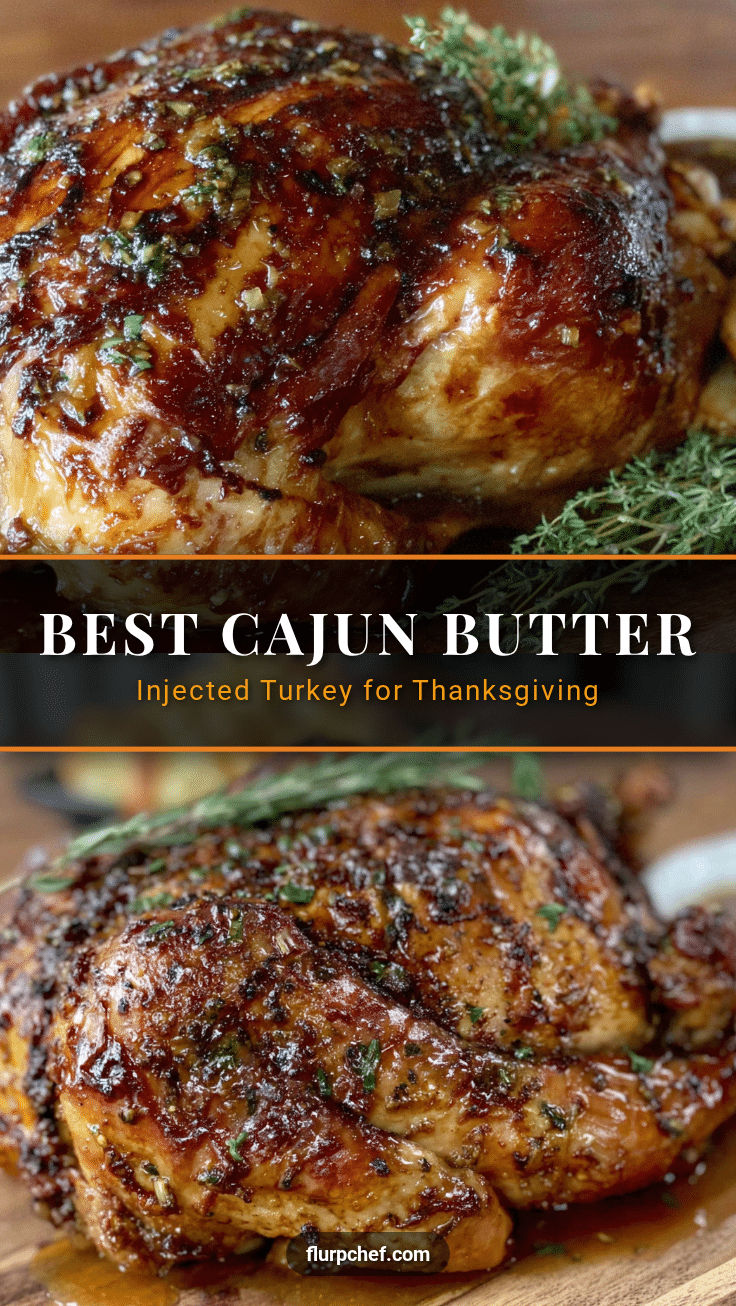
Best Cajun Butter Injected Turkey Recipe for Thanksgiving
This Cajun butter injected turkey is incredibly juicy and flavorful, with a bold, spicy kick that will make your Thanksgiving dinner unforgettable. The injection method ensures every bite is moist and seasoned from the inside out.
- Prep Time: 30 minutes
- Cook Time: 3 hours
- Total Time: 3 hours 30 minutes
- Yield: 12 servings 1x
- Category: Main Course
- Cuisine: Cajun
Ingredients
- 1 cup (2 sticks) unsalted butter
- 2 tablespoons Cajun seasoning
- 1 tablespoon smoked paprika
- 1 teaspoon cayenne pepper
- 1 tablespoon garlic powder
- 1 tablespoon onion powder
- 1 teaspoon dried thyme
- 1 teaspoon dried oregano
- ½ teaspoon black pepper
- 1 teaspoon salt
- 1 whole turkey (12–14 pounds), thawed
- 2 tablespoons olive oil
- 1 tablespoon Cajun seasoning (for outside rub)
- 1 onion, quartered
- 4 cloves garlic, smashed
- 2 cups chicken broth (or turkey broth)
Instructions
- Prep the Turkey (30 minutes before injecting): Take your turkey out of the fridge and remove it from all packaging. Remove the neck and giblets from the cavities (check both ends!). Pat the turkey completely dry with paper towels—inside and out. Let it sit on the counter for 30 minutes to take the chill off.
- Make the Cajun Butter (10 minutes): In a small saucepan over low heat, melt the 2 sticks of unsalted butter. Once melted, whisk in the Cajun seasoning, smoked paprika, cayenne, garlic powder, onion powder, dried thyme, dried oregano, black pepper, and salt. Keep the heat low—you don’t want to brown the butter. Remove from heat and let it cool for 5 minutes.
- Strain the Butter (2 minutes): Place your fine-mesh strainer over a small bowl or a liquid measuring cup. Pour the butter mixture through the strainer. Discard the solids in the strainer. You should have about ¾ cup of smooth, flavored butter.
- Load the Injector (5 minutes): Fill your meat injector with the warm Cajun butter. Work quickly here—if the butter starts to solidify, it won’t flow through the needle. If it does get too thick, just pop the bowl back on the stove for a few seconds to rewarm it.
- Inject the Turkey (15-20 minutes): Start with the breast. Insert the needle deep into the thickest part of the breast meat, pushing it all the way in until you hit bone, then pull back just slightly. Slowly depress the plunger as you pull the needle out. Inject in about 6-8 different spots per breast half. Then move to the thighs. Insert the needle into the thickest part of each thigh, angling it toward the bone. Inject about 3-4 times per thigh. Don’t forget the drumsticks! Inject each drumstic…
- Season the Outside (5 minutes): Rub the turkey all over with the 2 tablespoons of olive oil. Then sprinkle the 1 tablespoon of Cajun seasoning evenly over the entire surface. Don’t forget the wings and the back. Pat the seasoning gently so it sticks.
- Stuff the Cavity (5 minutes): Stuff the cavity with the quartered onion and smashed garlic cloves. Don’t pack it too tight. Truss the legs with kitchen twine, crossing them and tying them together. Tuck the wing tips under the bird so they don’t burn.
- Prepare the Pan (5 minutes): Place the turkey breast-side up on the rack in your roasting pan. Pour the 2 cups of chicken broth into the bottom of the pan, being careful not to splash the turkey.
- Roast the Turkey (Approximately 3 hours for a 12-14 pound bird): Preheat your oven to 325°F (163°C). Place the turkey on the lower middle rack. Roast uncovered. Do not baste. After about 2 hours, check the internal temperature. You’re looking for 165°F (74°C) in the thickest part of the thigh (without touching bone) and 160°F (71°C) in the breast. A 12-pound bird usually takes about 3 hours, but always use your thermometer as the final judge.
- Rest and Carve (20-30 minutes): Once the turkey hits the right temperature, remove it from the oven. Transfer it to a cutting board and tent it loosely with aluminum foil. Let it rest for at least 20 minutes before carving.
Notes
Strain the butter to prevent clogging the injector. Let the butter cool to warm (not hot) before injecting. Pat the turkey dry for crispy skin. For best results, inject the turkey the night before and refrigerate uncovered overnight. Let the turkey come to room temperature for 1 hour before roasting.
Nutrition
- Serving Size: 4 ounces
- Calories: 200
- Sodium: 450
- Fat: 10
- Saturated Fat: 6
- Carbohydrates: 2
- Protein: 28
Keywords: Cajun turkey, injected turkey, Thanksgiving turkey, butter injected turkey, Cajun butter turkey