“You have to eat black-eyed peas on New Year’s Day.” My grandmother said it like it wasn’t even up for debate. I was maybe twenty-two, standing in her tiny kitchen in South Carolina, and she was already pulling a ham hock out of the fridge. I’d never even seen a black-eyed pea before that day. But she had that look — the one that said this wasn’t a suggestion. So I helped her sort through the dried peas, picking out the occasional tiny pebble, and she talked about the year her daddy planted them along the fence line because that’s all they had. That soup simmered for hours, filling her house with this deep, smoky smell that I still can’t quite describe. It tasted like history. Like survival. Like she was passing something down to me that had nothing to do with a recipe card.
That first bowl changed something in me. Not because it was fancy — it wasn’t. But because it carried weight. Every spoonful felt like a promise that the new year would bring enough. That’s the thing about this classic black-eyed pea soup for New Year’s luck. It’s not complicated. It’s not trendy. It’s just honest food made from ingredients that people have relied on for generations. And honestly? That’s exactly what I need heading into a new year.
I’ve made this soup every single New Year’s Day since that morning in her kitchen. Some years I’ve added extra garlic or a splash of hot sauce. Other years I’ve kept it exactly the way she showed me. But the core of it never changes. It’s humble. It’s hearty. And it always, always makes me feel like everything’s going to be okay. This is the soup you make when you want to start the year grounded, full, and a little bit hopeful.
Why You’ll Love This Recipe
This isn’t just another soup recipe. This is the one you’ll come back to year after year. I’ve tested it more times than I can count, tweaked the seasoning, tried different cooking methods, and this version is the one that delivers every single time. Here’s why it works:
- Simple Ingredients — You don’t need a specialty grocery store for this. Dried black-eyed peas, a ham hock or smoked turkey leg, onion, garlic, and a few pantry staples. That’s it.
- Brings Good Luck — Southern tradition says eating black-eyed peas on New Year’s Day brings prosperity. And honestly, even if you’re not superstitious, there’s something powerful about starting the year with intention.
- Feeds a Crowd — This recipe makes a big pot. Perfect for feeding family, friends, or having leftovers for the week. It actually tastes better the next day.
- Budget-Friendly — Dried peas cost almost nothing. A ham hock is cheap. You’re getting a deeply flavorful, satisfying meal for pocket change.
- Freezes Beautifully — Make a double batch and freeze half. You’ll thank yourself on a cold January night when you don’t feel like cooking.
- Customizable Heat — Want it spicy? Add a diced jalapeño or a dash of cayenne. Prefer it mild? Leave the heat out. You’re in control.
This soup is different because it’s built on technique that works. Soaking the peas overnight isn’t optional — it makes a real difference in texture. Sautéing the aromatics until they’re deeply golden adds a layer of flavor you can’t get any other way. And that long, slow simmer? That’s where the magic happens.
I’ve made this for friends who’d never tried black-eyed peas before. Every single one of them asked for the recipe. It’s that kind of soup — the kind that converts people. And when you serve it with a side of cornbread and a little extra hot sauce, it’s pure comfort.
What Ingredients You Will Need
This recipe relies on simple, humble ingredients that work together to create something truly special. Most of these are probably already in your kitchen, which is exactly how black-eyed pea soup should be.
For the Soup Base
- 1 pound dried black-eyed peas — Look for bags that are uniform in size and free of debris. I prefer the brand from the bulk bin at my local co-op, but any dried peas work fine. Rinse them well and pick out any tiny stones.
- 1 large ham hock (about 12-16 ounces) — This is the backbone of the flavor. Smoked ham hocks add that deep, porky richness. If you can’t find one, a smoked turkey leg works beautifully. (Adds smoky depth)
- 1 large yellow onion, diced — About 2 cups. Don’t skimp here. Onion provides the savory foundation.
- 4 cloves garlic, minced — Fresh garlic only. The jarred stuff won’t give you the same punch.
- 2 celery ribs, diced — Adds a subtle earthiness and texture.
- 2 medium carrots, diced — For sweetness and color. I like using orange carrots, but rainbow ones are fun if you have them.
- 1 jalapeño, seeded and minced (optional) — Adds a gentle warmth without overwhelming the soup. Leave the seeds in if you want more heat.
- 1 teaspoon dried thyme — Earthy and slightly floral. It pairs perfectly with the peas.
- 1 teaspoon smoked paprika — This is non-negotiable in my book. It adds that subtle smokiness that makes the soup taste like it simmered all day.
- 1 bay leaf — Adds background complexity. Remember to fish it out before serving.
- 6 cups low-sodium chicken broth — Or vegetable broth if you prefer. Low-sodium is key so you can control the salt level.
- 2 cups water — For thinning the soup as it cooks. You might need more depending on how thick you like it.
- 1 teaspoon salt (plus more to taste) — Add this at the end, not the beginning. Salt can toughen the peas if added too early.
- 1/2 teaspoon black pepper — Freshly ground is best.
For Serving (Optional but Recommended)
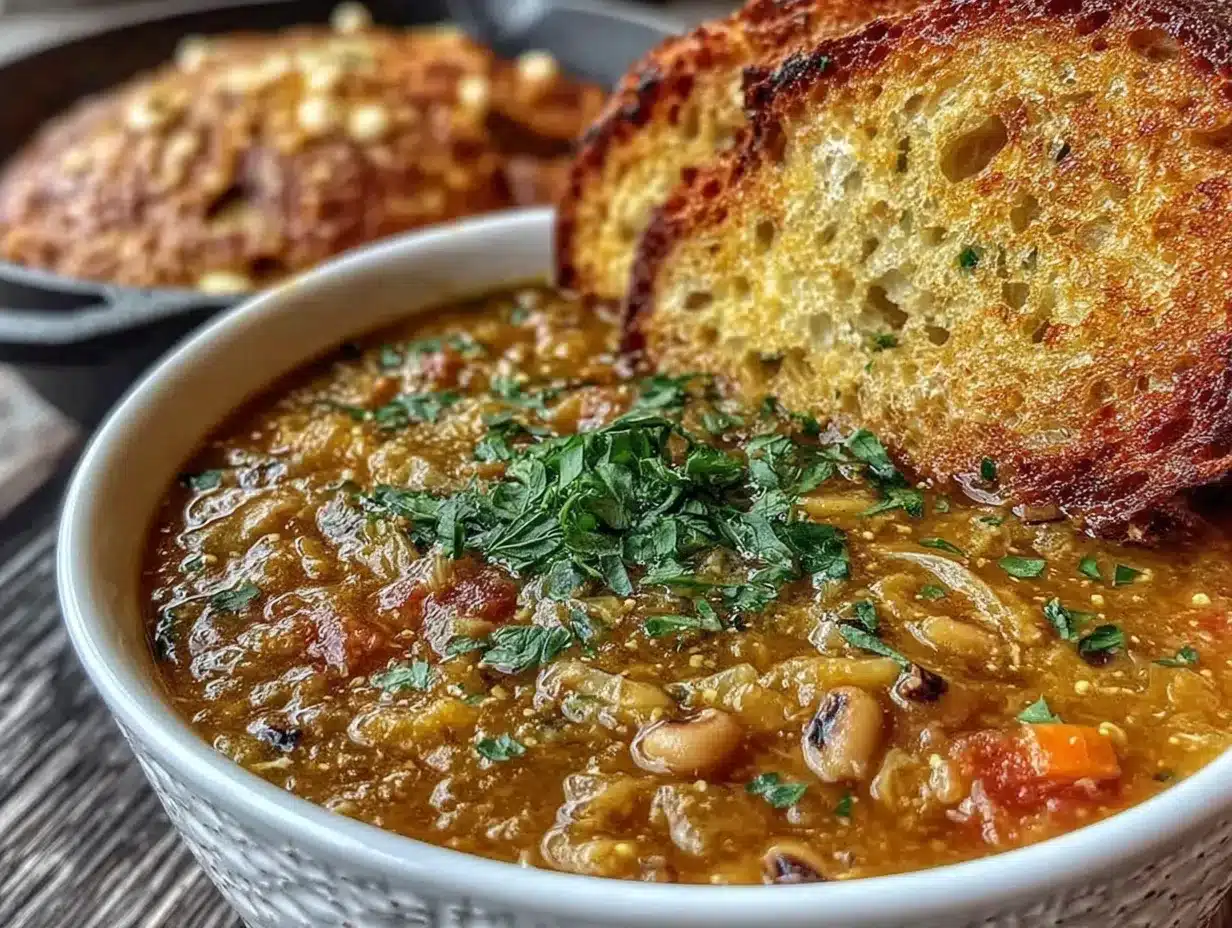
- Cooked white rice — A scoop of rice in the bottom of the bowl is traditional and delicious. (Use brown rice for a heartier option)
- Hot sauce — Tabasco, Crystal, or your favorite. I’m partial to a smoky chipotle hot sauce.
- Fresh parsley or green onions, chopped — For a pop of color and freshness.
- Cornbread or crusty bread — For soaking up every last drop of broth.
Equipment Needed
You don’t need a lot of fancy tools for this recipe, which is part of its charm. Here’s what you’ll need:
- Large Dutch oven or heavy-bottomed pot (at least 6 quarts) — A Dutch oven holds heat evenly and is perfect for long simmers. I use my trusty enameled cast iron one, but any heavy pot works.
- Sharp chef’s knife — For dicing the vegetables. A dull knife makes prep frustrating and dangerous.
- Cutting board — Preferably a large wooden one that won’t slide around.
- Wooden spoon — For stirring. Metal spoons can scratch enameled pots.
- Measuring cups and spoons — For accurate measurements.
- Large bowl — For soaking the peas overnight.
- Colander — For rinsing the peas.
- Tongs — For removing the ham hock from the pot when it’s done.
- Ladle — For serving.
If you don’t have a Dutch oven, a heavy stockpot works fine. Just keep an eye on the heat and stir occasionally to prevent sticking. And if you’re using a slow cooker, you can absolutely adapt this recipe — just sauté the vegetables first, then transfer everything to the slow cooker and cook on low for 6-8 hours.
Preparation Method
Step 1: Soak the Black-Eyed Peas
The night before you plan to cook, place the dried black-eyed peas in a large bowl and cover them with about 3 inches of cold water. They’ll expand as they soak. Let them sit at room temperature for at least 8 hours or overnight. This step is crucial — it softens the peas and reduces cooking time significantly. Drain and rinse them well before using. If you forget to soak, you can do a quick soak: cover the peas with water, bring to a boil, turn off the heat, and let them sit for 1 hour. But honestly, the overnight soak gives the best texture.
Step 2: Sauté the Aromatics
In your Dutch oven or large pot, heat 2 tablespoons of olive oil over medium heat. Add the diced onion, celery, and carrots. Cook, stirring occasionally, for about 8-10 minutes until the vegetables are soft and the onions are translucent. Add the minced garlic and jalapeño (if using) and cook for another minute until fragrant. You want the garlic to be golden, not burned.
Step 3: Build the Flavor
Stir in the dried thyme, smoked paprika, and a pinch of black pepper. Let the spices toast in the oil for about 30 seconds — this wakes up their flavors. Then add the rinsed black-eyed peas, the ham hock, the bay leaf, chicken broth, and water. Give everything a good stir. The ham hock should be mostly submerged.
Step 4: Simmer Low and Slow
Bring the soup to a gentle boil, then reduce the heat to low. Cover the pot with the lid slightly ajar to let some steam escape. Let it simmer for 1 hour and 45 minutes to 2 hours, or until the black-eyed peas are tender but not mushy. Stir occasionally to prevent sticking. The soup will thicken as it cooks, so add more water or broth if it gets too thick for your liking.
Step 5: Remove the Ham Hock
Once the peas are tender, use tongs to carefully remove the ham hock from the pot. Place it on a cutting board and let it cool for a few minutes until you can handle it. Pick off any meat from the bone, shred it into bite-sized pieces, and discard the skin, fat, and bone. Return the shredded meat to the pot. This is the best part — all that smoky, tender pork goes right back into the soup.
Step 6: Season and Finish
Remove the bay leaf and discard it. Taste the soup and add salt as needed — start with 1 teaspoon and adjust from there. Remember, the ham hock adds saltiness, so go slow. Add more black pepper if you like. If you want a slightly thicker soup, use a potato masher to gently mash some of the peas against the side of the pot. This releases their starches and creates a creamier texture.
Step 7: Serve
Ladle the soup into bowls over a scoop of cooked rice if you’re using it. Top with fresh parsley or green onions and a dash of hot sauce. Serve with warm cornbread or crusty bread on the side. The soup should be steaming hot and deeply aromatic.
Cooking Tips & Techniques
I’ve made this soup more times than I can count, and I’ve learned a few things the hard way. Here’s what I wish someone had told me:
Don’t skip the soak. I know it’s tempting to skip it when you’re in a hurry, but unsoaked peas take forever to cook and can end up uneven — some mushy, some hard. Overnight soaking gives you consistent, tender results every time.
Salt at the end. This is a big one. Adding salt too early can toughen the skins of the black-eyed peas, making them take longer to cook. Wait until they’re tender before you season. The ham hock provides plenty of saltiness during cooking anyway.
Toast your spices. That 30 seconds you spend toasting the thyme and paprika in the hot oil makes a huge difference. It releases their essential oils and deepens their flavor in a way that just stirring them into liquid never will.
Watch the heat. A gentle simmer is what you want — little bubbles breaking the surface, not a rolling boil. Boiling can break the peas apart and make the soup cloudy. Low and slow is the way to go.
Make it ahead. This soup is one of those rare dishes that actually improves overnight. The flavors meld and deepen, and the texture gets even better. If you can, make it a day ahead and reheat it gently. You won’t regret it.
Don’t rush the ham hock. Some recipes tell you to cook the ham hock separately and add the meat at the end. Don’t do that. Simmering the ham hock in the soup from the beginning infuses every single pea with that smoky, porky goodness. It’s the difference between good soup and unforgettable soup.
Variations & Adaptations
This soup is wonderfully flexible. Here are some ways to make it your own:
Vegetarian Version
Skip the ham hock entirely. Use vegetable broth instead of chicken broth. To get that smoky flavor, add a teaspoon of liquid smoke and an extra teaspoon of smoked paprika. You can also add a can of diced tomatoes with green chiles for brightness. It won’t taste exactly the same, but it will be delicious in its own right.
Spicy Cajun Style
Add 1/2 teaspoon of cayenne pepper, a diced andouille sausage (browned first), and a teaspoon of dried oregano. Swap the thyme for a Cajun seasoning blend. Serve with a scoop of white rice and a sprinkle of filé powder. This version has serious heat and depth.
Slow Cooker Method
Sauté the vegetables and garlic as directed, then transfer everything to your slow cooker. Cook on low for 6-8 hours or on high for 3-4 hours. Remove the ham hock, shred the meat, return it to the pot, and season. The slow cooker version is incredibly hands-off and perfect for a busy day.
Add Greens
Stir in a few handfuls of chopped kale, collard greens, or spinach during the last 10 minutes of cooking. This adds color, nutrients, and a slightly bitter note that balances the richness of the soup. It’s also traditional — greens symbolize wealth in Southern New Year’s traditions.
Make It a Stew
For a thicker, heartier version, reduce the broth to 4 cups and add a diced potato or two along with the peas. The potato will break down and thicken the soup naturally. This version is almost like a chowder and is incredibly satisfying on a cold night.
Serving & Storage Suggestions
This soup is best served steaming hot, straight from the pot. But how you serve it can elevate the whole experience.
Serving Temperature: Hot, obviously. Let it cool for a few minutes after ladling so nobody burns their tongue, but it should still be piping warm. The broth should be rich and slightly thickened.
Presentation: I like to serve this soup in deep bowls with a scoop of white rice at the bottom. The rice soaks up the broth and adds a lovely texture contrast. Top with a sprinkle of fresh parsley or green onions for color, and pass the hot sauce at the table. A side of warm cornbread is non-negotiable in my house — it’s perfect for sopping up every last drop.
Complementary Dishes: This soup pairs beautifully with a simple green salad dressed with a tangy vinaigrette. The acidity cuts through the richness. For drinks, a cold beer or a glass of crisp white wine works well. And if you’re feeling extra indulgent, serve it alongside some brown sugar bourbon bacon-wrapped jalapeño poppers for a truly Southern-inspired spread.
Storage: Let the soup cool completely before transferring it to airtight containers. It will keep in the refrigerator for up to 5 days. The flavors actually get better after a day or two, so don’t be afraid to make it ahead.
Freezing: This soup freezes beautifully. Portion it into freezer-safe containers or zip-top bags, leaving a little room for expansion. It will keep for up to 3 months. Thaw overnight in the refrigerator before reheating.
Reheating: Reheat the soup gently on the stovetop over medium-low heat, stirring occasionally. Add a splash of water or broth if it’s too thick. You can also microwave individual portions in 30-second bursts, stirring between each. The soup may thicken as it sits, so don’t be surprised if you need to thin it out.
Nutritional Information & Benefits
This soup isn’t just delicious — it’s genuinely good for you. Here’s a rough estimate per serving (based on 8 servings, without rice):
| Nutrient | Amount Per Serving |
|---|---|
| Calories | 285 |
| Protein | 18g |
| Fat | 8g |
| Carbohydrates | 38g |
| Fiber | 12g |
| Sugar | 6g |
| Sodium | 620mg (varies with broth and ham hock) |
Black-eyed peas are a nutritional powerhouse. They’re packed with fiber, which supports digestive health and keeps you feeling full. They’re also a great source of plant-based protein, iron, folate, and magnesium. The ham hock adds protein and B vitamins, while the vegetables contribute vitamins A and C.
This soup is naturally gluten-free and dairy-free. If you’re watching your sodium, use low-sodium broth and skip the added salt until the very end. You can also use a smoked turkey leg instead of a ham hock for a leaner option.
From a wellness perspective, this soup is exactly the kind of meal I want to start the year with. It’s grounding, nourishing, and made from whole ingredients. It doesn’t pretend to be something it’s not. And honestly, that’s a pretty good way to approach a new year.
Conclusion
This classic black-eyed pea soup for New Year’s luck is more than just a recipe — it’s a tradition. It’s the soup my grandmother made with her hands and her heart, the soup I’ve made every January 1st for over a decade, and the soup I hope you’ll make yours. It’s humble. It’s honest. And it carries more meaning than any fancy dish ever could.
I love this recipe because it reminds me that the best things in life are often the simplest. A few ingredients, a little patience, and a whole lot of love. That’s all it takes. And when you sit down to that first bowl, with the steam rising and the smoky aroma filling your kitchen, you’ll understand why this tradition has lasted for generations.
So go ahead — make this soup. Customize it however you like. Serve it with cornbread and hot sauce. Share it with the people you love. And as you take that first bite, let yourself believe that this year is going to be a good one. Because honestly? It will be.
I’d love to hear how yours turns out! Leave a comment below and let me know what variations you tried, or tag me in your photos on social media. Happy New Year, and may your pot always be full.
Frequently Asked Questions
Can I use canned black-eyed peas instead of dried?
You can, but the texture and flavor won’t be the same. Canned peas are already cooked and tend to be mushier. If you’re in a pinch, use two 15-ounce cans, drained and rinsed. Reduce the cooking time significantly — just simmer until the vegetables are tender and the flavors meld, about 30-40 minutes. Add the canned peas during the last 15 minutes so they don’t fall apart.
Do I really have to soak the peas overnight?
It’s highly recommended. Soaking reduces cooking time and helps the peas cook evenly. If you forget, use the quick soak method: cover the peas with water, bring to a boil, turn off the heat, and let them sit for 1 hour. Drain and proceed with the recipe. The texture won’t be quite as perfect, but it will still be good.
What can I use instead of a ham hock?
A smoked turkey leg is the best substitute. It provides the same smoky flavor without the pork. You can also use a ham bone from a holiday ham, or even a few slices of thick-cut bacon (cooked and crumbled). If you’re going vegetarian, use liquid smoke and extra smoked paprika to mimic that smoky depth.
How do I make this soup in a slow cooker?
Sauté the vegetables and garlic on the stovetop first, then transfer everything to your slow cooker. Cook on low for 6-8 hours or on high for 3-4 hours. Remove the ham hock, shred the meat, return it to the pot, and season. The slow cooker version is incredibly convenient and yields a deeply flavorful soup.
Can I freeze this soup?
Absolutely! This soup freezes beautifully. Let it cool completely, then portion it into freezer-safe containers or zip-top bags. It will keep for up to 3 months. Thaw overnight in the refrigerator and reheat gently on the stovetop. You may need to add a splash of water or broth when reheating, as the soup thickens as it sits.
Pin This Recipe!

Classic Black-Eyed Pea Soup for New Years Luck

A humble, hearty Southern soup made with black-eyed peas, ham hock, and aromatic vegetables, simmered low and slow for deep smoky flavor. This traditional New Year’s dish is believed to bring prosperity and is perfect for starting the year grounded and full.
- Prep Time: 15 minutes
- Cook Time: 2 hours
- Total Time: 2 hours 15 minutes (plus overnight soaking)
- Yield: 8 servings 1x
- Category: Soup
- Cuisine: Southern
Ingredients
- 1 pound dried black-eyed peas
- 1 large ham hock (about 12–16 ounces)
- 1 large yellow onion, diced
- 4 cloves garlic, minced
- 2 celery ribs, diced
- 2 medium carrots, diced
- 1 jalapeño, seeded and minced (optional)
- 1 teaspoon dried thyme
- 1 teaspoon smoked paprika
- 1 bay leaf
- 6 cups low-sodium chicken broth
- 2 cups water
- 1 teaspoon salt (plus more to taste)
- 1/2 teaspoon black pepper
- 2 tablespoons olive oil
- Cooked white rice (for serving, optional)
- Hot sauce (for serving, optional)
- Fresh parsley or green onions, chopped (for serving, optional)
- Cornbread or crusty bread (for serving, optional)
Instructions
- The night before, place the dried black-eyed peas in a large bowl and cover with about 3 inches of cold water. Let soak at room temperature for at least 8 hours or overnight. Drain and rinse well.
- In a large Dutch oven or heavy-bottomed pot, heat 2 tablespoons olive oil over medium heat. Add the diced onion, celery, and carrots. Cook, stirring occasionally, for 8-10 minutes until soft and onions are translucent.
- Add the minced garlic and jalapeño (if using) and cook for 1 minute until fragrant.
- Stir in the dried thyme, smoked paprika, and a pinch of black pepper. Toast for 30 seconds.
- Add the rinsed black-eyed peas, ham hock, bay leaf, chicken broth, and water. Stir to combine.
- Bring to a gentle boil, then reduce heat to low. Cover with lid slightly ajar and simmer for 1 hour 45 minutes to 2 hours, until peas are tender but not mushy. Stir occasionally and add more water or broth if needed.
- Remove the ham hock with tongs and let cool slightly. Pick off the meat, shred it, and discard skin, fat, and bone. Return the shredded meat to the pot.
- Remove and discard the bay leaf. Taste and add salt (start with 1 teaspoon) and more black pepper as needed. For a thicker soup, gently mash some peas against the pot with a potato masher.
- Serve hot over cooked rice if desired. Top with fresh parsley or green onions and a dash of hot sauce. Serve with cornbread or crusty bread.
Notes
Soaking the peas overnight is highly recommended for best texture. Salt at the end to avoid toughening the peas. The soup improves overnight and freezes well. For a vegetarian version, omit ham hock, use vegetable broth, and add liquid smoke and extra smoked paprika.
Nutrition
- Serving Size: 1 serving (about 1.5
- Calories: 285
- Sugar: 6
- Sodium: 620
- Fat: 8
- Saturated Fat: 2
- Carbohydrates: 38
- Fiber: 12
- Protein: 18
Keywords: black-eyed pea soup, New Year's soup, Southern soup, ham hock soup, lucky soup, black-eyed peas, New Year's tradition


