There used to be a tiny restaurant tucked into a converted gas station on Highway 9, about twenty minutes outside of town, that made pork chops worth driving for. They called themselves The Apple Shed, and their specialty was this braised pork chop that came swimming in a glossy, fragrant cider sauce that I still dream about. When they closed three summers ago—a sudden “for lease” sign appeared overnight—I honestly felt a little lost. No warning, no final meal. Just gone.
After maybe eight tries—some dry, some too sweet, one that my neighbor politely described as “interesting”—I finally got it. This is that recipe. The one that makes the kitchen smell like autumn in a cast iron pan. The one where the meat is so tender it practically falls apart when you look at it funny.
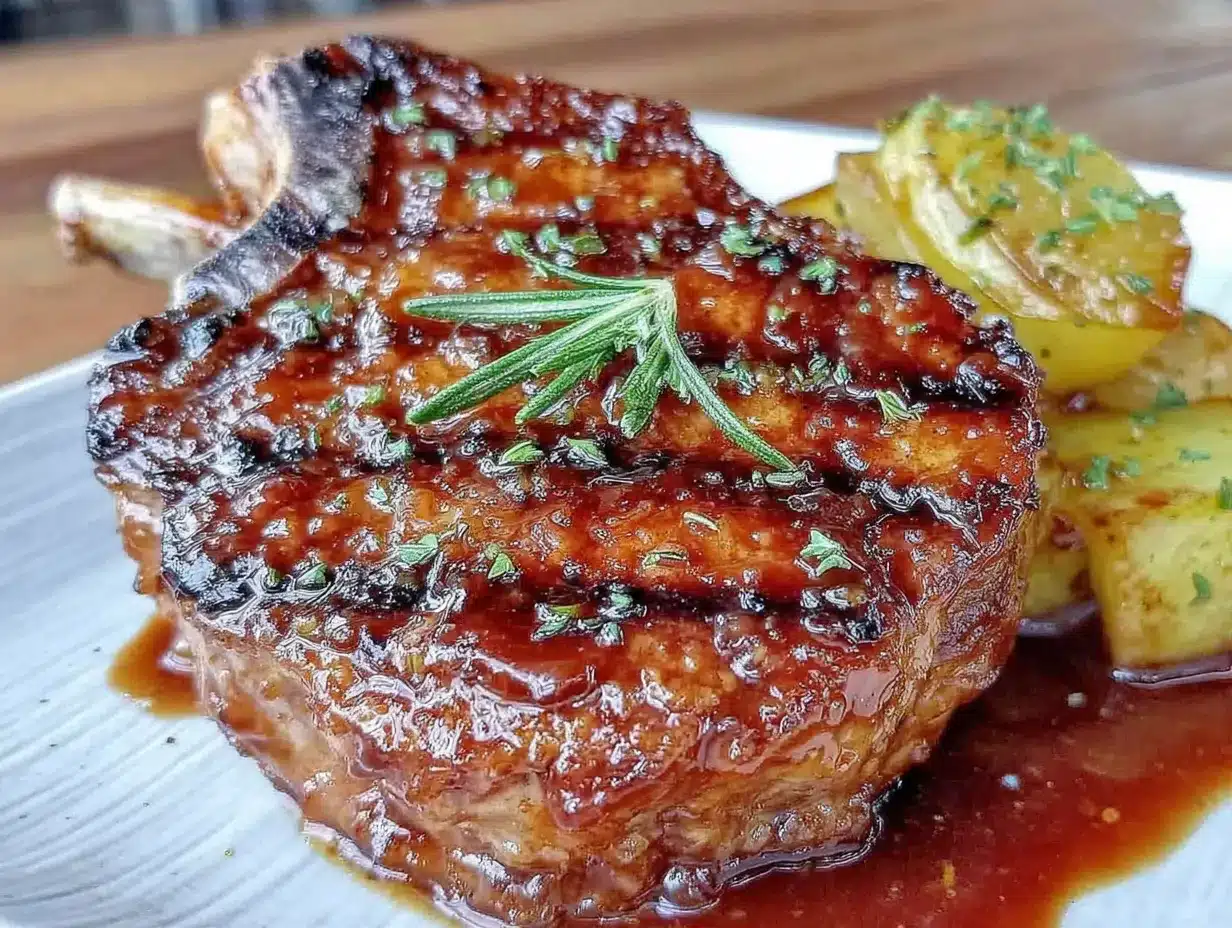
I remember the Wednesday night I cracked the code. I had a bruised apple on the counter, a half-empty bottle of cider from the farmers market, and absolutely no patience left. I figured, let’s just throw it all in one pan and see what happens. And you know what? It worked. The pork came out golden on the outside, melt-in-your-mouth soft inside, and that sauce—that gorgeous, slightly thickened, sweet-and-savory cider sauce—tasted like the memory I’d been chasing.
If you’ve ever had a restaurant dish that stuck with you, that you couldn’t stop thinking about, you get it. This one’s for you.
Why You’ll Love This Recipe
Let me tell you why these tender apple cider braised pork chops have become my go-to for busy weeknights and lazy Sundays alike. I’ve tested this recipe more times than I care to admit, and every single time, it delivers.
- One-Pan Wonder: Everything happens in a single skillet. Less cleanup, more time to actually enjoy your meal.
- Simple Ingredients: You probably have most of these already. No weird specialty items or expensive cuts required.
- Perfect for Fall: But honestly? I make these year-round. The apple cider flavor works whenever you need a little comfort.
- Foolproof Tenderness: The braising method means you can’t really overcook these. The meat stays juicy and fork-tender every time.
- Crowd-Pleaser: My picky eater brother asked for seconds. My health-conscious sister asked for the recipe. That’s a win.
What makes this version different from all the other pork chop recipes out there? It’s the two-step process. You sear the chops first to build that deep, caramelized crust, then you braise them low and slow in the cider mixture. That combination—crispy exterior, impossibly tender interior—is what sets these apart. I’ve tried shortcuts, believe me. The sear is non-negotiable.
This isn’t just dinner. It’s the kind of meal that makes you pause mid-bite and just… appreciate it. Comfort food that feels a little fancy but takes almost no effort. That’s my sweet spot.
What Ingredients You Will Need
This recipe uses simple, wholesome ingredients that come together to create something truly special. Most are pantry staples, and the few fresh items are easy to find at any grocery store.
For the Pork Chops:
- 4 bone-in pork chops, about 1-inch thick (bone-in adds flavor and helps keep the meat moist during braising)
- 2 tablespoons olive oil, divided (use a good-quality one for searing)
- 1 teaspoon salt (I prefer kosher salt for even seasoning)
- ½ teaspoon black pepper, freshly ground
- 1 teaspoon dried thyme (or 2 teaspoons fresh, if you have it on hand)
For the Braising Liquid:
- 2 cups apple cider, unsweetened (look for fresh, unfiltered cider for the best flavor—it makes a real difference)
- 1 medium yellow onion, thinly sliced (sweet onions work great too)
- 2 cloves garlic, minced (don’t skip this—it adds depth)
- 1 tablespoon Dijon mustard (this helps thicken the sauce and adds a subtle tang)
- 1 tablespoon brown sugar, packed (just enough to balance the acidity)
- 1 sprig fresh rosemary (or 1 teaspoon dried—rosemary and apple are a classic pairing)
- 1 bay leaf (removed before serving, but essential for the background flavor)
- ½ cup chicken broth, low-sodium (to control the salt level)
For the Garnish:
- 1 apple, thinly sliced (Honeycrisp or Granny Smith work beautifully—the tartness cuts through the richness)
- Fresh parsley, chopped (for a pop of color and freshness)
I usually grab my apple cider from the local farmers market when it’s in season, but any good-quality store-bought brand works. Just make sure it’s 100% apple cider, not apple juice. The cider has that deeper, more complex flavor that really shines in the sauce.
If you don’t have bone-in pork chops, boneless will work too—just reduce the braising time by about 10 minutes so they don’t dry out. And for a dairy-free option, skip the butter in the final step and use a little extra olive oil instead.
Equipment Needed
You don’t need a fancy kitchen to make these tender apple cider braised pork chops. Here’s what I use:
- A large, heavy-bottomed skillet or Dutch oven (cast iron is my favorite—it holds heat beautifully and gives you that perfect sear. A 12-inch skillet works great for 4 chops)
- Tongs (for flipping the pork chops without piercing them—keeps all those juices inside)
- A sharp chef’s knife (for slicing the onion and apple evenly)
- A cutting board
- Measuring cups and spoons
- A wooden spoon or spatula (for scraping up those browned bits from the pan—that’s where the flavor lives)
If you don’t have a cast iron skillet, a stainless steel pan works perfectly fine. Just make sure it’s oven-safe if you’re finishing the chops in the oven, though this recipe is entirely stovetop. A non-stick skillet will work too, but you won’t get quite as deep of a sear. I’ve made these in a cheap non-stick pan before—still delicious, just less of that golden crust.
One tip: avoid using a pan that’s too small. You want the chops to have room to brown without steaming each other. Crowding the pan is the number one mistake people make with searing meat.
Preparation Method
- Pat the pork chops dry with paper towels. This is crucial—wet meat won’t sear properly. Season both sides generously with salt, pepper, and dried thyme. Let them sit at room temperature for about 15 minutes while you prep the other ingredients. Trust me on this one.
- Heat 1 tablespoon of olive oil in your large skillet over medium-high heat. You want the oil shimmering but not smoking. Carefully place the pork chops in the pan—they should sizzle immediately. Sear for 4-5 minutes per side, until deeply golden brown. Don’t move them around! Let that crust form. Transfer the seared chops to a plate and set aside.
- Reduce the heat to medium and add the remaining 1 tablespoon of olive oil. Toss in the sliced onion and cook for 4-5 minutes, stirring occasionally, until softened and starting to brown around the edges. Add the minced garlic and cook for another 30 seconds until fragrant. Your kitchen should smell amazing right about now.
- Pour in the apple cider and chicken broth, using your wooden spoon to scrape up all those browned bits from the bottom of the pan. That’s pure flavor right there. Stir in the Dijon mustard, brown sugar, rosemary sprig, and bay leaf. Bring the mixture to a gentle simmer.
- Return the pork chops to the skillet, nestling them into the liquid. The cider mixture should come about halfway up the sides of the chops. If it doesn’t, add a splash more broth. Cover the skillet with a lid or tight-fitting foil.
- Reduce the heat to low and let everything simmer gently for 25-30 minutes. Don’t rush this part. The low, slow cooking is what breaks down the connective tissue and makes the pork so tender. Check halfway through to make sure the liquid hasn’t reduced too much—add a little water if needed.
- Remove the lid and carefully take out the pork chops. If you have an instant-read thermometer, you’re looking for 145°F. Let them rest on a plate while you finish the sauce. Turn the heat up to medium-high and let the sauce simmer, uncovered, for 5-7 minutes until it thickens slightly. Stir in the apple slices during the last 2 minutes—you want them softened but not mushy.
- Discard the rosemary sprig and bay leaf. Taste the sauce and adjust seasoning if needed. Return the pork chops to the pan, spoon some of that gorgeous sauce over the top, and garnish with fresh parsley.
A few things I’ve learned the hard way: if your sauce tastes too tart, add a pinch more brown sugar. If it’s too sweet, a splash of apple cider vinegar balances it right out. And whatever you do, don’t skip the resting step. Those few minutes let the juices redistribute so every bite is perfectly moist.
Cooking Tips & Techniques
After making these tender apple cider braised pork chops more times than I can count, I’ve picked up a few tricks that make a real difference.
Don’t skip the sear. I know it’s tempting to just dump everything in the pan and walk away, but that initial browning is where the magic happens. The browned bits stuck to the pan—called fond in fancy cooking terms—are what give the sauce its deep, savory flavor. Without the sear, you end up with pale pork and a thin, one-dimensional sauce. I learned this the hard way when I was in a rush one Tuesday night. Never again.
Watch your heat. Braising is a gentle process. If the liquid is bubbling aggressively, your heat is too high. You want a lazy simmer—small bubbles that barely break the surface. High heat will make the pork tough and the sauce will reduce too quickly. Low and slow is the name of the game here.
Let the meat rest. I know, you’re hungry. But cutting into the pork chops right away will release all those juices onto the plate instead of keeping them in the meat. Five minutes makes a world of difference. Use that time to finish the sauce and set the table.
Double the sauce. Seriously. This sauce is good on everything—mashed potatoes, rice, roasted vegetables, even crusty bread for dipping. I always make extra and serve it on the side. My kids fight over who gets to wipe the pan clean with bread.
One mistake I made early on was using cheap apple cider. The flavor just wasn’t there. Spend the extra dollar on good-quality, unfiltered cider. You’ll taste the difference.
Variations & Adaptations
One of the best things about this recipe is how flexible it is. Here are some ways I’ve adapted it over the years:
Apple Cider Braised Pork Chops with Root Vegetables: Add chunks of carrots, parsnips, and potatoes to the braising liquid during the last 15 minutes of cooking. They soak up all that cider flavor and become incredibly tender. It turns the dish into a complete one-pan meal.
Slow Cooker Version: Sear the pork chops as directed, then transfer everything to a slow cooker. Cook on low for 6-8 hours or high for 3-4 hours. The meat will be fall-apart tender. Thicken the sauce on the stovetop before serving. This is my go-to for busy days when I want dinner ready when I walk in the door.
Dairy-Free Option: If you’re avoiding dairy, simply skip the butter at the end and use an extra drizzle of olive oil. The sauce will still be rich and flavorful without it.
Spicy Twist: Add a pinch of red pepper flakes or a thinly sliced jalapeño along with the garlic. The heat pairs surprisingly well with the sweet cider and adds a whole new dimension to the dish. I tried this on a whim one night and it’s now my husband’s favorite version.
Herb Variations: Not a fan of rosemary? Swap in fresh sage or thyme instead. Both work beautifully with the apple cider flavor. I’ve even used a combination of all three when I had extra herbs from the garden.
Feel free to experiment and make this recipe your own. That’s the beauty of cooking—it’s never the same twice.
Serving & Storage Suggestions
These tender apple cider braised pork chops are incredibly versatile when it comes to serving. Here’s how I like to enjoy them:
Serving Temperature and Presentation: Serve the pork chops hot, straight from the skillet. Spoon plenty of that gorgeous sauce over the top and arrange the apple slices around the meat. A sprinkle of fresh parsley adds a nice pop of color. I like to serve them on a bed of creamy mashed potatoes or buttered egg noodles to soak up every last drop of sauce.
Complementary Dishes: These chops pair beautifully with roasted Brussels sprouts, sautéed green beans, or a simple side salad with a tangy vinaigrette. For a cozy fall meal, serve with roasted butternut squash or a warm apple and walnut salad. A glass of hard cider or a crisp white wine like Sauvignon Blanc rounds out the meal perfectly.
Storage Instructions: Store leftover pork chops and sauce in an airtight container in the refrigerator for up to 4 days. The flavors actually deepen overnight, making leftovers almost better than the original meal. I’ve been known to make a double batch just for this reason.
Reheating Methods: The best way to reheat is gently on the stovetop over low heat, adding a splash of broth or water to loosen the sauce. Microwave works in a pinch, but the meat can dry out. If using the microwave, cover the dish and heat in 30-second bursts. The oven at 300°F for about 10 minutes also works well.
Freezing: These pork chops freeze beautifully. Place cooled chops and sauce in a freezer-safe container and freeze for up to 3 months. Thaw overnight in the refrigerator before reheating. I often make a double batch and freeze half for busy weeks.
One thing I’ve noticed: the sauce thickens as it sits. Don’t be alarmed if it looks more like a glaze the next day. Just add a little water or broth when reheating and it’ll loosen right up.
Nutritional Information & Benefits
These tender apple cider braised pork chops aren’t just delicious—they’re also a pretty balanced meal option. Here’s what you’re getting per serving (based on one pork chop with sauce):
- Calories: Approximately 380-420
- Protein: 35-40 grams
- Fat: 18-22 grams
- Carbohydrates: 20-25 grams
- Fiber: 2-3 grams
- Sugar: 14-18 grams (naturally occurring from the apple cider)
Pork chops are an excellent source of lean protein, which helps keep you full and supports muscle health. They’re also rich in B vitamins, particularly B6 and B12, which are important for energy metabolism. The apple cider provides antioxidants and a touch of natural sweetness without refined sugar. Onions and garlic add prebiotic fiber that supports gut health.
If you’re watching your sugar intake, you can reduce the brown sugar to 1 teaspoon or omit it entirely. The natural sweetness from the apple cider is usually enough. For a lower-carb option, serve over cauliflower mash instead of potatoes.
As always, these values are estimates and can vary based on specific ingredients and portion sizes. If you have specific dietary concerns, I recommend consulting with a nutritionist or using a tracking app for precise numbers.
Conclusion
These tender apple cider braised pork chops have become a staple in my kitchen for good reason. They’re the kind of recipe that looks impressive on the plate but takes almost no effort to pull off. The combination of savory browned pork, sweet-tangy cider sauce, and soft apple slices is pure comfort food magic.
I love that this recipe works for so many occasions—busy weeknights when I need dinner on the table fast, lazy Sunday suppers, even casual dinner parties. It always gets compliments, and people are genuinely surprised when I tell them how simple it is.
My favorite thing about this dish is the way it makes the whole house smell. That warm, spiced apple aroma drifting through the kitchen is the definition of cozy. It reminds me of that little restaurant on Highway 9 and the meal that started it all, but now it’s my own version. Maybe even better.
I’d love to hear how yours turn out! Did you try any of the variations? Serve it with something unexpected? Drop a comment below and let me know. And if you share a photo on Pinterest or Instagram, tag me so I can see your beautiful creation. Happy cooking!
Frequently Asked Questions
Can I use boneless pork chops for this recipe?
Absolutely! Boneless pork chops work fine, but reduce the braising time by about 10 minutes to prevent them from drying out. Keep an eye on the internal temperature—you’re looking for 145°F.
What if I don’t have apple cider?
You can substitute apple juice in a pinch, but the flavor will be lighter and less complex. Add a tablespoon of apple cider vinegar to the juice to mimic that tangy depth. Or try pear cider for a fun twist!
Can I make this recipe gluten-free?
Yes, this recipe is naturally gluten-free! Just make sure your chicken broth and Dijon mustard are certified gluten-free, as some brands may contain additives. Serve with rice or roasted potatoes to keep the meal completely gluten-free.
How do I know when the pork chops are cooked through?
The safest way is to use an instant-read thermometer. Insert it into the thickest part of the chop without touching the bone. You’re looking for 145°F, followed by a 3-minute rest. The meat should be slightly pink in the center—that’s perfectly safe and actually more tender.
Can I prep this dish ahead of time?
You can sear the pork chops and slice the onions up to a day ahead. Store them separately in the refrigerator. When you’re ready to cook, just pick up from step 3. The final dish also reheats beautifully, so you can make it a day ahead and simply reheat gently on the stovetop.
Pin This Recipe!

Tender Apple Cider Braised Pork Chops: Easy One-Pan Dinner

These tender apple cider braised pork chops are a one-pan wonder that delivers juicy, fork-tender meat in a glossy, sweet-and-savory cider sauce. Perfect for busy weeknights or cozy fall dinners, this recipe uses simple ingredients and a foolproof braising method for a restaurant-quality meal at home.
- Prep Time: 15 minutes
- Cook Time: 45 minutes
- Total Time: 1 hour
- Yield: 4 servings 1x
- Category: Main Course
- Cuisine: American
Ingredients
- 4 bone-in pork chops, about 1-inch thick
- 2 tablespoons olive oil, divided
- 1 teaspoon salt
- ½ teaspoon black pepper, freshly ground
- 1 teaspoon dried thyme
- 2 cups apple cider, unsweetened
- 1 medium yellow onion, thinly sliced
- 2 cloves garlic, minced
- 1 tablespoon Dijon mustard
- 1 tablespoon brown sugar, packed
- 1 sprig fresh rosemary
- 1 bay leaf
- ½ cup chicken broth, low-sodium
- 1 apple, thinly sliced (Honeycrisp or Granny Smith)
- Fresh parsley, chopped
Instructions
- Pat the pork chops dry with paper towels. Season both sides generously with salt, pepper, and dried thyme. Let them sit at room temperature for about 15 minutes.
- Heat 1 tablespoon of olive oil in a large skillet over medium-high heat. Sear the pork chops for 4-5 minutes per side until deeply golden brown. Transfer to a plate and set aside.
- Reduce heat to medium and add remaining 1 tablespoon olive oil. Cook sliced onion for 4-5 minutes until softened and starting to brown. Add minced garlic and cook for 30 seconds until fragrant.
- Pour in apple cider and chicken broth, scraping up browned bits from the pan. Stir in Dijon mustard, brown sugar, rosemary sprig, and bay leaf. Bring to a gentle simmer.
- Return pork chops to the skillet, nestling them into the liquid. Cover and reduce heat to low. Simmer gently for 25-30 minutes.
- Remove lid and carefully take out pork chops. Let rest while you finish the sauce. Turn heat to medium-high and simmer sauce uncovered for 5-7 minutes until slightly thickened. Stir in apple slices during the last 2 minutes.
- Discard rosemary sprig and bay leaf. Taste and adjust seasoning. Return pork chops to the pan, spoon sauce over the top, and garnish with fresh parsley.
Notes
Don’t skip the sear—it builds deep flavor. Braise on low heat for tender meat. Let pork rest before serving. Double the sauce for extra. For boneless chops, reduce braising time by 10 minutes. For dairy-free, skip butter and use olive oil.
Nutrition
- Serving Size: 1 pork chop with sau
- Calories: 400
- Sugar: 16
- Sodium: 650
- Fat: 20
- Saturated Fat: 6
- Carbohydrates: 22
- Fiber: 2
- Protein: 37
Keywords: apple cider braised pork chops, one-pan pork chops, fall pork recipe, easy pork dinner, braised pork chops