There used to be this tiny farm-to-table place tucked away on a side street in Hudson, New York, called The Little Gables. They served a side dish of roasted squash with brown butter that I still dream about—honestly, it was the main event on the plate. When they closed their doors three winters ago, I was genuinely heartbroken. I mean, I actually called my sister to complain about it, which sounds dramatic, but you know that feeling when a restaurant just *gets* a vegetable?
After maybe seven tries—some burnt, some too sweet, one where I forgot the butter entirely (don’t ask)—I finally cracked the code. This cozy honeynut squash with maple brown butter is my love letter to that little restaurant. It’s the dish I kept chasing, and let me tell you, it was worth every single attempt. The key? Using honeynut squash instead of butternut. These little guys are sweeter, creamier, and they cook up way faster. Plus, they look adorable on a plate.
I remember the night it finally worked. The power had flickered during a storm, and I was cooking by candlelight. The brown butter was bubbling away, the maple syrup was warming on the stove, and the squash was getting all caramelized in the oven. My kitchen smelled like autumn itself. When I took that first bite, I actually closed my eyes. It was that good. Maybe you’ve been there—chasing a recipe that feels just out of reach. Well, this one is finally here, and it’s ready for your table.
Why You’ll Love This Recipe
This cozy honeynut squash with maple brown butter isn’t just another roasted vegetable side dish. It’s the kind of recipe that makes people ask for seconds before they’ve even finished their first helping. I’ve tested this version more times than I care to admit, and every single time, it delivers that perfect balance of sweet, nutty, and savory.
- Quick & Easy: Comes together in about 35 minutes, start to finish. Perfect for those busy weeknights when you still want something special.
- Simple Ingredients: You only need five main ingredients. No fancy grocery trips required—I bet you already have maple syrup and butter in your kitchen right now.
- Perfect for Fall Gatherings: This dish shines at Thanksgiving, Friendsgiving, or any cozy autumn dinner. It’s also amazing for a quiet Sunday night when you just want comfort food.
- Crowd-Pleaser: I’ve served this to picky eaters, vegetable skeptics, and hardcore foodies. Everyone loves it. The caramelized edges and nutty brown butter win over even the toughest crowd.
- Unbelievably Delicious: The texture is what gets me every time. The squash gets tender and creamy on the inside, with these gorgeous caramelized edges from the maple syrup. Then that brown butter sauce pools around everything, and honestly, you’ll want to drink it.
What makes this recipe different from all the other roasted squash recipes out there? It’s the technique. I roast the honeynut squash cut-side down first to get that deep caramelization, then flip them and add the brown butter mixture at the very end. This way, the squash stays creamy and never gets mushy. Plus, using honeynut squash instead of butternut means you get a naturally sweeter, more concentrated flavor that pairs perfectly with the nutty brown butter.
This recipe is the kind that makes you close your eyes after the first bite. It’s comfort food reimagined—simpler, faster, but with the same soul-soothing satisfaction. Perfect for impressing guests without any stress, or turning an ordinary weeknight dinner into something memorable.
What Ingredients You Will Need
This cozy honeynut squash recipe uses simple, wholesome ingredients to deliver big flavor without the fuss. Most of these are pantry staples or easy to find at your local grocery store, especially during fall and winter.
- Honeynut squash (about 4 medium-sized squash): These little guys are the star of the show. They look like tiny butternut squash but have a deeper, sweeter flavor and creamier texture. Look for ones that feel heavy for their size with firm, unblemished skin. I usually find them at farmers’ markets or specialty grocery stores from September through December.
- Unsalted butter (4 tablespoons, cut into pieces): Using unsalted butter lets you control the salt level. I prefer Kerrygold or any European-style butter for its higher fat content, which browns more evenly and gives a richer nutty flavor. If you only have salted butter on hand, just reduce the added salt later.
- Pure maple syrup (2 tablespoons): Please use the real stuff here, not pancake syrup. Grade A dark amber works beautifully because it has a stronger maple flavor that stands up to the brown butter. I’ve tried this with local maple syrup from a farm in Vermont, and honestly, it makes a difference.
- Fresh sage leaves (8-10 leaves): Sage and brown butter are a classic pairing for a reason. The earthy, slightly peppery flavor of sage cuts through the richness of the butter and complements the sweetness of the squash. If you can’t find fresh sage, you can substitute with dried sage, but use just 1 teaspoon and add it with the maple syrup.
- Salt (½ teaspoon, plus more for finishing): I use flaky sea salt like Maldon for finishing, and fine sea salt for the initial seasoning. The flaky salt on top adds a lovely crunch and burst of flavor that really makes the dish pop.
- Black pepper (¼ teaspoon, freshly ground): Freshly ground black pepper adds warmth and a subtle kick. Don’t skip it—it balances the sweetness beautifully.
- Optional garnish: Toasted pecans or walnuts (¼ cup, chopped): Adding nuts gives a lovely crunch and extra nuttiness that plays well with the brown butter. Toast them in a dry pan for 2-3 minutes until fragrant, and sprinkle over the finished dish.
Substitution Guidance: If you can’t find honeynut squash, you can use butternut squash, but you’ll need to cut it into smaller chunks and increase the roasting time by about 10 minutes. For a dairy-free version, use vegan butter or coconut oil, though the brown butter flavor won’t be quite the same. You can swap maple syrup with honey or agave nectar, but the flavor profile will shift slightly.
Equipment Needed
You don’t need much fancy equipment for this recipe, which is part of its charm. Here’s what you’ll need:
- Baking sheet (rimmed, preferably half-sheet size): A rimmed baking sheet is essential to catch any drips from the butter and maple syrup. I use a heavy-duty Nordic Ware sheet—it distributes heat evenly and doesn’t warp in the oven.
- Parchment paper or aluminum foil: Lining your baking sheet makes cleanup a breeze. Trust me, caramelized maple syrup can be a nightmare to scrub off. Parchment paper is my go-to because it’s non-stick and disposable.
- Chef’s knife and cutting board: A sharp chef’s knife is crucial for safely cutting through the hard squash. Make sure your knife is sharp—dull knives are more dangerous when dealing with winter squash.
- Small saucepan: You’ll need this for making the brown butter. A light-colored saucepan is ideal because you can see the butter changing color as it browns. I use a stainless steel one, but any small pan works.
- Measuring spoons: For measuring the maple syrup and salt. Accurate measurements matter here since the balance of sweet and savory is key.
- Pastry brush (optional but helpful): For brushing the brown butter mixture over the squash. You can also use a spoon, but a brush gives more even coverage.
- Cooling rack: Not essential, but if you have one, placing it over the baking sheet can help the squash cook more evenly by allowing air to circulate underneath.
Budget-friendly options: If you don’t have a pastry brush, just use a regular spoon to drizzle the butter over the squash. No parchment paper? Foil works fine, just give it a light spray of cooking oil to prevent sticking. And if you don’t have a cooling rack, no worries—just roast the squash directly on the baking sheet.
Preparation Method
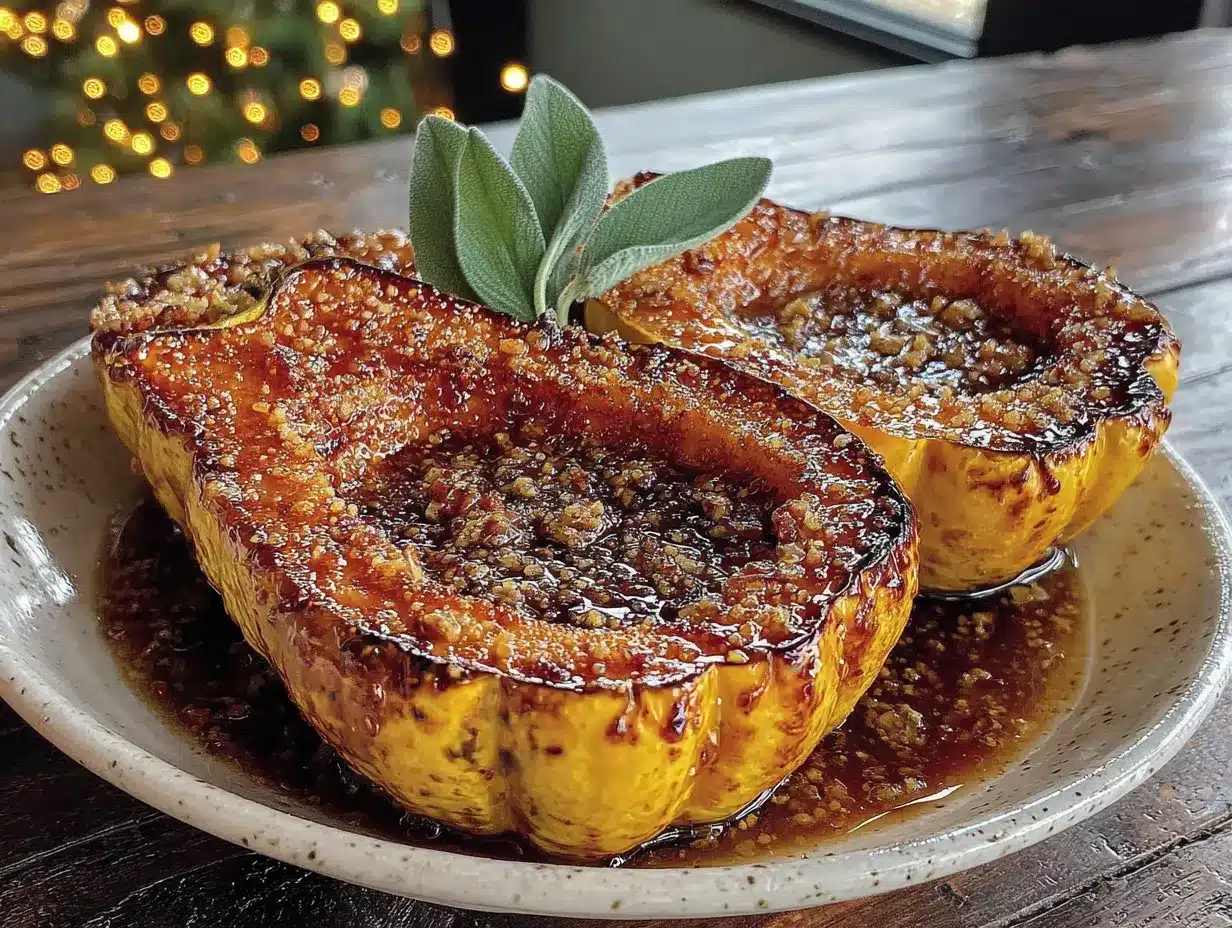
Let me walk you through this step by step. I’ve made this recipe so many times that I’ve got it down to a science, and I’ll share all my little tricks along the way.
- Preheat your oven to 400°F (200°C). Line a rimmed baking sheet with parchment paper or foil. Getting the oven nice and hot is key for that caramelization we’re after.
- Prepare the honeynut squash. Using a sharp chef’s knife, carefully cut each honeynut squash in half lengthwise. Be careful—these little guys can be tough. I usually stab the squash with the tip of my knife first to create a starting point, then rock the knife through. Scoop out the seeds and stringy bits with a spoon. You can save the seeds and roast them later if you’re feeling ambitious.
- Season the squash. Place the squash halves cut-side up on the prepared baking sheet. Drizzle with a little olive oil (about 1 tablespoon total), and sprinkle with ¼ teaspoon of salt and the black pepper. Use your hands to rub the oil and seasoning all over the squash, including the skin. Don’t skip the skin—it gets tender and delicious when roasted.
- Roast the squash. Place the squash cut-side down on the baking sheet. This is my secret trick! Roasting them cut-side down first creates a beautiful caramelized surface. Roast for 20 minutes. Your kitchen will start smelling amazing about halfway through.
- Make the brown butter. While the squash is roasting, start your brown butter. Place the 4 tablespoons of unsalted butter in a small saucepan over medium heat. Let it melt completely, then continue cooking, swirling the pan occasionally. The butter will start to foam, then the foam will subside, and you’ll see little brown specks forming at the bottom. This takes about 4-5 minutes. Watch it carefully—brown butter can go from perfect to burnt in seconds. When it smells nutty and looks golden amber, remove it from the heat immediately.
- Add the maple and sage. Carefully stir in the 2 tablespoons of maple syrup, the fresh sage leaves, and the remaining ¼ teaspoon of salt. The mixture will bubble up a bit, which is totally normal. Let it sit for a minute so the sage leaves crisp up slightly in the residual heat. The aroma at this point is just incredible—sweet, nutty, and herbaceous all at once.
- Flip and baste the squash. After 20 minutes, remove the baking sheet from the oven. Using tongs, carefully flip the squash halves over so they’re cut-side up. Brush or spoon the brown butter mixture over the cut surfaces of each squash half, making sure to distribute the sage leaves evenly. Don’t be shy—get that butter into every nook and cranny.
- Finish roasting. Return the baking sheet to the oven and roast for another 12-15 minutes, until the squash is tender when pierced with a fork and the edges are caramelized and slightly golden. The squash should be soft but still hold its shape. If you’re adding nuts, sprinkle them on during the last 5 minutes of roasting so they toast lightly.
- Rest and serve. Remove from the oven and let the squash rest on the baking sheet for 2-3 minutes. This allows the glaze to set slightly. Transfer to a serving platter, spoon any remaining brown butter from the pan over the top, and finish with a sprinkle of flaky sea salt and a few cracks of fresh black pepper. Serve warm.
Sensory cues to watch for: When you flip the squash after the first 20 minutes, the cut sides should be golden and slightly caramelized. The brown butter is ready when it smells like toasted nuts and has turned a warm amber color. The finished squash should be fork-tender but not falling apart, with sticky, caramelized edges that catch the light.
Cooking Tips & Techniques
I’ve learned a few things the hard way so you don’t have to. Here are my best tips for perfect cozy honeynut squash with maple brown butter every single time.
Don’t overcrowd the pan. Give each squash half some breathing room on the baking sheet. If they’re too close together, they’ll steam instead of roast, and you won’t get those gorgeous caramelized edges. Use two baking sheets if you need to.
Watch that brown butter like a hawk. I cannot stress this enough. Brown butter goes from perfect to burnt in about 30 seconds. The first time I made this, I got distracted by my phone and ended up with black butter that tasted bitter and awful. Keep your eyes on the pan, and when you see those brown specks forming and smell that nutty aroma, pull it off the heat immediately.
Room temperature ingredients matter. Well, for this recipe, the butter should be cold when you start browning it. Cold butter browns more evenly and gives you more control over the process. I keep my butter in the fridge until the moment I’m ready to use it.
Timing is everything. Start your brown butter when the squash has been roasting for about 15 minutes. This way, everything finishes at roughly the same time, and you can serve the squash piping hot. Cold squash with brown butter just isn’t the same.
Use a light-colored pan for browning butter. Dark nonstick pans make it hard to see the color change. I learned this after several batches of over-browned butter. A stainless steel or light-colored saucepan lets you see exactly when the butter reaches that perfect golden amber stage.
One mistake I still make: Sometimes I get impatient and don’t let the squash roast long enough the first time. If you flip them too early, they won’t have that beautiful caramelized surface. Set a timer and resist the urge to peek until the 20-minute mark.
Variations & Adaptations
This cozy honeynut squash recipe is wonderfully adaptable. Here are some variations I’ve tried and loved.
Spicy Maple Brown Butter: Add a pinch of cayenne pepper or red pepper flakes to the brown butter along with the maple syrup. The heat cuts through the sweetness beautifully and adds a lovely warmth. I made this version for a Friendsgiving last year, and it was the first dish to disappear.
Herb-Infused Variation: Swap the sage for fresh thyme or rosemary. Both herbs pair beautifully with brown butter and maple. I actually prefer thyme in the spring when I’m craving something a little lighter. Use about 4-5 sprigs of thyme or 2 sprigs of rosemary, and remove them before serving.
Citrus Brightness: Add the zest of one orange and a squeeze of fresh orange juice to the brown butter mixture. The citrus cuts through the richness and adds a bright, fresh note that’s perfect for holiday tables. I tried this on a whim one Christmas, and now it’s my go-to for festive dinners.
Vegan Adaptation: Use vegan butter or coconut oil instead of dairy butter. For the brown butter effect, coconut oil won’t brown the same way, but you can toast some pecans in the oil first to infuse it with nutty flavor. Use maple syrup as is, and skip the sage or use dried sage. It won’t be exactly the same, but it’s still delicious.
Different Squash Options: If you can’t find honeynut squash, try acorn squash (cut into wedges), delicata squash (no need to peel, just slice into rings), or even sweet potatoes. Each will bring a slightly different texture and sweetness level. Delicata is my second favorite because the skin is tender and edible.
Savory Twist: Skip the maple syrup and add a splash of balsamic vinegar and a clove of minced garlic to the brown butter instead. This creates a savory-sweet version that’s incredible alongside roasted chicken or pork. I made this for a dinner party last month, and everyone asked for the recipe.
Serving & Storage Suggestions
This cozy honeynut squash is best served warm, straight from the oven, when the brown butter glaze is still glossy and the edges are perfectly caramelized. But it’s versatile enough to work in many different settings.
Serving temperature and presentation: Arrange the squash halves on a large platter, cut-side up, so the beautiful brown butter pools in the center. Spoon any remaining butter from the pan over the top, and finish with flaky sea salt and fresh herbs. For a stunning presentation, scatter toasted pecans or pomegranate arils over the top. The red pomegranate seeds against the golden squash is just gorgeous for holiday tables.
Complementary dishes: This squash pairs beautifully with roasted chicken, turkey, pork chops, or even a simple seared steak. It also works well alongside other roasted vegetables like Brussels sprouts or carrots. For a vegetarian main, serve it over a bed of warm quinoa or farro with a handful of arugula and some crumbled goat cheese.
Storage instructions: Leftover squash can be stored in an airtight container in the refrigerator for up to 4 days. The flavors actually meld and deepen overnight, so leftovers are still delicious. However, the texture will soften slightly upon reheating.
Reheating methods: The best way to reheat this squash is in the oven at 350°F (175°C) for about 8-10 minutes. This helps restore some of the caramelization. You can also reheat it in a skillet over medium heat with a tiny splash of water or maple syrup to refresh the glaze. The microwave works in a pinch, but the squash will be softer and less caramelized.
Freezing: I don’t recommend freezing this dish. The texture of the squash becomes watery and mushy upon thawing, and the brown butter glaze separates. If you have too much, it’s better to share with neighbors or enjoy it throughout the week.
How flavors develop: This is one of those rare dishes that tastes even better the next day. The brown butter and maple syrup continue to soak into the squash, making every bite more flavorful. I often make a double batch just so I can have leftovers for lunch.
Nutritional Information & Benefits
While this cozy honeynut squash with maple brown butter is definitely a treat, it also packs some surprising nutritional benefits. Here’s the breakdown per serving (one half squash with glaze):
| Nutrient | Amount per Serving |
|---|---|
| Calories | 185 |
| Total Fat | 12g |
| Saturated Fat | 7g |
| Carbohydrates | 21g |
| Fiber | 3g |
| Sugar | 12g |
| Protein | 2g |
| Vitamin A | 180% DV |
| Vitamin C | 25% DV |
| Potassium | 10% DV |
Health benefits of key ingredients: Honeynut squash is packed with vitamin A, which supports eye health and immune function. It’s also a good source of fiber, which aids digestion and keeps you feeling full. The brown butter provides healthy fats that help your body absorb the fat-soluble vitamins in the squash. Maple syrup contains antioxidants and minerals like zinc and manganese, though it’s still sugar, so enjoy in moderation.
Dietary considerations: This recipe is naturally gluten-free and vegetarian. For a dairy-free version, use vegan butter or coconut oil. It’s also relatively low in carbs compared to many side dishes, making it suitable for moderate low-carb diets.
Potential allergens: This recipe contains dairy (butter) and may contain tree nuts if you add the pecan or walnut garnish. Always check your ingredient labels if cooking for someone with allergies.
My personal perspective: I love that this dish feels indulgent but is actually made from whole, real ingredients. It’s the kind of recipe that proves healthy eating doesn’t have to be boring. The natural sweetness of the squash means you don’t need much added sugar, and the healthy fats from the butter make it satisfying and nourishing.
Conclusion
This cozy honeynut squash with maple brown butter is more than just a side dish—it’s the recipe that brought back a memory I thought I’d lost forever. Every time I make it, I’m transported back to that little restaurant in Hudson, with its mismatched chairs and chalkboard menu. And honestly? My version might be even better.
I hope you’ll give this recipe a try, whether it’s for a holiday feast, a cozy weeknight dinner, or just because you deserve something delicious. Don’t be afraid to make it your own—add extra sage if you love it, throw in some pecans for crunch, or skip the maple if you’re craving something more savory. The beauty of this dish is how forgiving and adaptable it is.
I’d love to hear how yours turns out. Did you try a variation? Did your family fight over the last piece? Drop a comment below and let me know. And if you share a photo on Pinterest or Instagram, tag me—I want to see your beautiful squash creations. Until next time, happy cooking, and remember: the best recipes are the ones you make with love, even if you burn the butter the first time.
Frequently Asked Questions
Can I use butternut squash instead of honeynut squash?
Yes, absolutely. Butternut squash is the closest substitute. Just know that butternut squash is larger and less sweet than honeynut, so you’ll need to cut it into smaller chunks (about 2-inch pieces) and increase the roasting time by about 10 minutes. The flavor won’t be quite as concentrated, but it will still be delicious.
Can I make this recipe ahead of time?
You can partially prepare this dish ahead. Roast the squash without the glaze up to a day in advance, then refrigerate. When you’re ready to serve, make the brown butter glaze fresh, brush it over the pre-roasted squash, and finish roasting for 10-12 minutes at 400°F. The fresh glaze makes all the difference.
How do I prevent the brown butter from burning?
The key is to watch it constantly and use medium heat, not high heat. Swirl the pan frequently so the butter cooks evenly. As soon as you see golden brown specks forming at the bottom and smell a nutty aroma, remove it from the heat immediately. The residual heat will continue cooking it slightly, so don’t wait until it looks too dark.
Can I double this recipe for a crowd?
Definitely. This recipe scales beautifully. Just make sure to use two baking sheets so the squash isn’t overcrowded. You may need to roast in batches or use both oven racks, rotating the pans halfway through. For the brown butter, I recommend making it in two batches rather than doubling it in one pan, as a larger quantity browns less evenly.
What can I do with the leftover brown butter and maple glaze?
Don’t let that delicious glaze go to waste! It’s amazing drizzled over roasted Brussels sprouts, carrots, or sweet potatoes. You can also toss it with cooked pasta and sage for a quick fall-inspired dinner, or spoon it over vanilla ice cream for an indulgent dessert. Store any leftover glaze in a jar in the refrigerator for up to a week.
Pin This Recipe!
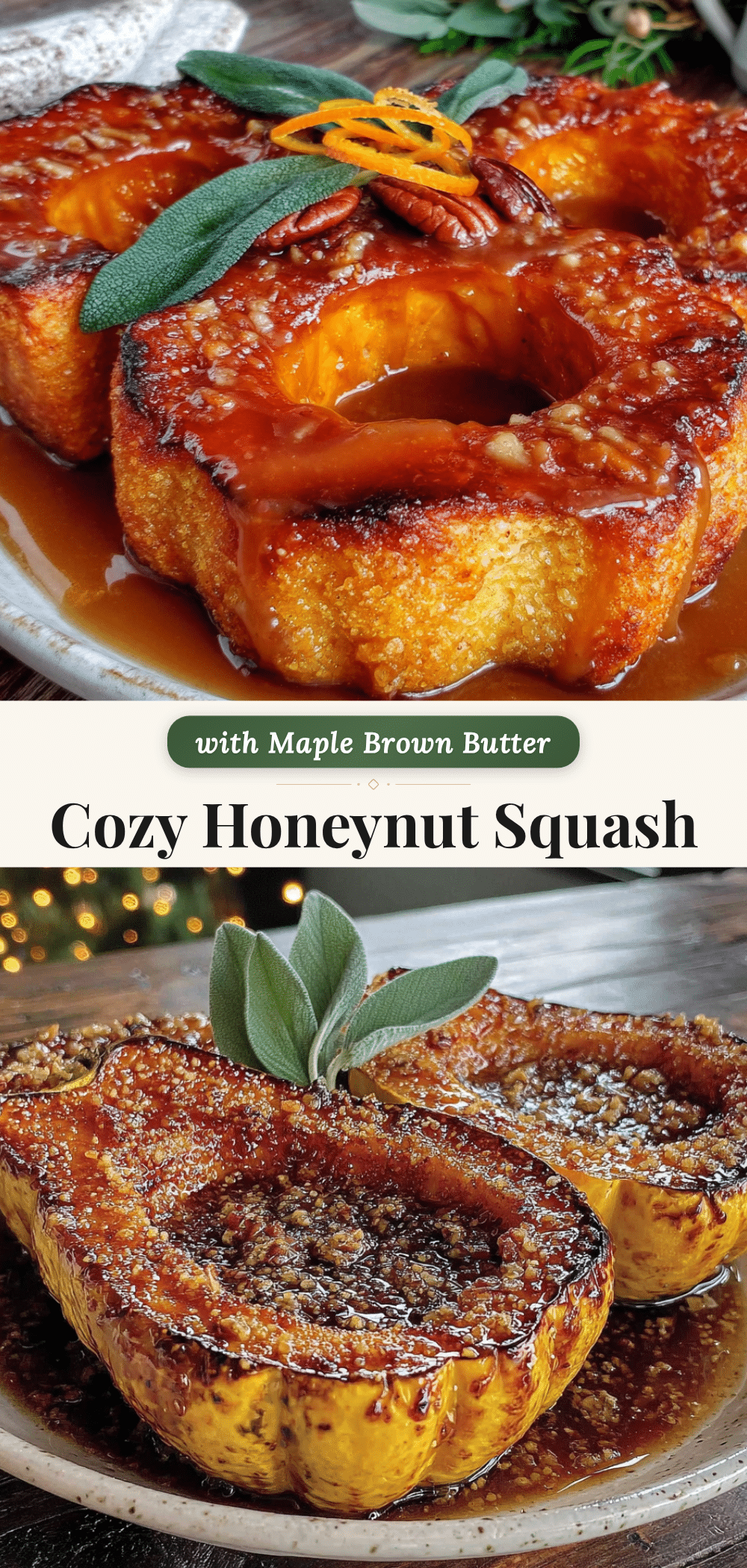
Cozy Honeynut Squash with Maple Brown Butter
A cozy side dish of roasted honeynut squash with a sweet and nutty maple brown butter glaze, inspired by a beloved farm-to-table restaurant. Perfect for fall gatherings or a comforting weeknight dinner.
- Prep Time: 10 minutes
- Cook Time: 35 minutes
- Total Time: 45 minutes
- Yield: 4 servings 1x
- Category: Side Dish
- Cuisine: American
Ingredients
- 4 medium honeynut squash
- 4 tablespoons unsalted butter, cut into pieces
- 2 tablespoons pure maple syrup
- 8–10 fresh sage leaves
- ½ teaspoon salt, plus more for finishing
- ¼ teaspoon freshly ground black pepper
- ¼ cup chopped pecans or walnuts (optional, for garnish)
Instructions
- Preheat oven to 400°F (200°C). Line a rimmed baking sheet with parchment paper or foil.
- Cut each honeynut squash in half lengthwise. Scoop out seeds and stringy bits.
- Place squash halves cut-side up on the baking sheet. Drizzle with olive oil (about 1 tablespoon total), sprinkle with ¼ teaspoon salt and black pepper. Rub oil and seasoning all over the squash, including the skin.
- Roast squash cut-side down for 20 minutes.
- While squash roasts, make the brown butter: Place 4 tablespoons unsalted butter in a small saucepan over medium heat. Melt and cook, swirling occasionally, until butter foams, then subsides and brown specks form (about 4-5 minutes). Remove from heat immediately when it smells nutty and turns golden amber.
- Stir in 2 tablespoons maple syrup, fresh sage leaves, and remaining ¼ teaspoon salt. Let sit for 1 minute.
- After 20 minutes, remove baking sheet from oven. Flip squash cut-side up. Brush or spoon brown butter mixture over cut surfaces, distributing sage leaves evenly.
- Return to oven and roast another 12-15 minutes until squash is tender and edges are caramelized. If using nuts, sprinkle on during the last 5 minutes.
- Remove from oven and let rest 2-3 minutes. Transfer to a platter, spoon remaining brown butter from pan over top, and finish with flaky sea salt and fresh black pepper. Serve warm.
Notes
For best results, use cold butter for browning and watch it carefully to prevent burning. Roasting squash cut-side down first creates deeper caramelization. Leftovers can be stored in an airtight container in the refrigerator for up to 4 days; reheat in the oven at 350°F for 8-10 minutes.
Nutrition
- Serving Size: 1 half squash with g
- Calories: 185
- Sugar: 12
- Sodium: 300
- Fat: 12
- Saturated Fat: 7
- Carbohydrates: 21
- Fiber: 3
- Protein: 2
Keywords: honeynut squash, maple brown butter, roasted squash, fall side dish, Thanksgiving, vegetarian, gluten-free


