I was standing in line at the DMV—a place where culinary inspiration is the last thing you’d expect to find—when the woman ahead of me, clutching a folder of paperwork and a slightly wilted head of celery, started talking about salmon. She wasn’t talking to me, exactly. She was talking to the air, the way some people do when they’re mentally rehearsing their dinner plans. But I was stuck behind her for what felt like an eternity, so I listened.
“The trick,” she said, turning around suddenly and catching my eye, “is to not drown it in butter. You want the flavor, but you don’t want it swimming. A little lemon, a little butter, and you bake it low and slow.” She shrugged like it was nothing, like she hadn’t just handed me the blueprint for a weeknight game-changer. I nodded, mumbled something about it sounding good, and then spent the next twenty minutes trying to remember every word she said.
Honestly, I went home and tried her method that very night. I had a fillet of salmon in the freezer and a lemon that was about to turn. I winged it, and let me tell you—it was good, but it needed finesse. It needed that lighter touch she’d hinted at. So over the next few weeks, I tested and tweaked, trying to get that balance just right. I wanted the richness of butter without the heaviness, the brightness of lemon without the pucker, and a method that felt almost effortless. Maybe you’ve been there—chasing a recipe that feels both decadent and doable, something that doesn’t leave you feeling like you need a nap afterward.
This Lighter Lemon Butter Baked Salmon is the result of that DMV serendipity. It’s the kind of dish that makes you wonder why you ever complicated things. It’s simple, it’s satisfying, and it’s exactly what I want to eat on a Tuesday when I need dinner to feel special without being a project. I keep making it because it works, and because that woman at the DMV, with her celery and her confidence, was absolutely right.
Why You’ll Love This Recipe
Let me be honest with you—I’ve made a lot of salmon in my day. I’ve seared it, poached it, grilled it, and even tried to smoke it in a backyard setup that I will not be repeating. But this Lighter Lemon Butter Baked Salmon has become my go-to, and here’s why.
- Quick & Easy: From prep to plate in under 30 minutes. It’s the definition of a weeknight win.
- Simple Ingredients: You probably have everything in your fridge right now. No fancy grocery store detours.
- Perfect for Busy Weeknights: It’s elegant enough for a Friday night dinner but fast enough for a Wednesday when you’re out of steam.
- Crowd-Pleaser: Even my picky eaters ask for seconds. The lemon butter sauce is just that good.
- Unbelievably Delicious: The texture is flaky and tender, and the sauce is bright and rich without being greasy.
What makes this recipe different from the rest? It’s the method. By using a modest amount of high-quality butter and letting the lemon juice and zest do the heavy lifting, you get that luxurious feel without the heavy aftermath. It’s comfort food reimagined—lighter, brighter, and still deeply satisfying. This isn’t just another salmon recipe; it’s the one you’ll come back to again and again.
What Ingredients You Will Need
This recipe relies on a handful of fresh, simple ingredients. Each one plays a specific role in creating that perfect balance of rich and light. Here’s what you’ll need to grab.
- Salmon Fillets (4 fillets, about 6 oz each): Look for center-cut fillets for even cooking. I prefer wild-caught when I can find it, but farm-raised Atlantic salmon works beautifully too. The key is to get fillets that are similar in thickness so they cook at the same rate.
- Unsalted Butter (2 tablespoons, melted): This is where the richness comes from, but we’re using just enough to coat the fish without drowning it. I like using a good European-style butter for the flavor, but any unsalted butter will do.
- Fresh Lemon Juice (3 tablespoons): Fresh is non-negotiable here. Bottled lemon juice has a flat, almost metallic taste that just won’t do. You need that bright, zesty acidity to cut through the butter.
- Lemon Zest (1 teaspoon): This is where the real lemon flavor lives. The zest adds an aromatic quality that the juice alone can’t provide. Don’t skip it!
- Garlic (2 cloves, minced): A little goes a long way. It adds a savory depth that complements the lemon and butter without overpowering the salmon.
- Dijon Mustard (1 teaspoon): This is my little secret. It helps emulsify the sauce and adds a subtle tanginess that brightens everything up.
- Dried Dill (1 teaspoon): Dill and salmon are a classic pairing for a reason. It adds a delicate, herbaceous note that feels fresh and light.
- Salt and Black Pepper (to taste): Don’t be shy with the seasoning. A generous pinch of salt brings out the natural flavor of the fish.
- Fresh Parsley (for garnish, optional): Adds a pop of color and a fresh finish.
Ingredient Tip: For the best results, let your salmon sit at room temperature for about 10 minutes before baking. This helps it cook more evenly.
Equipment Needed
You don’t need a lot of fancy gear for this recipe, which is part of its charm. Here’s what you’ll need.
- Baking Dish (9×13-inch): A glass or ceramic dish works best. It heats evenly and is easy to clean.
- Small Bowl: For whisking together the lemon butter sauce.
- Whisk or Fork: To combine the sauce ingredients.
- Microplane or Zester: For getting that fine lemon zest. A box grater works in a pinch.
- Measuring Spoons and Cups: Accuracy matters, especially with the lemon juice and butter.
- Instant-Read Thermometer (optional but recommended): This takes the guesswork out of doneness. Salmon is perfectly cooked at 125°F to 130°F in the center.
Budget-Friendly Tip: If you don’t have a microplane, you can use the smallest holes on a box grater to zest your lemon. It’s a little more work, but it gets the job done.
Preparation Method
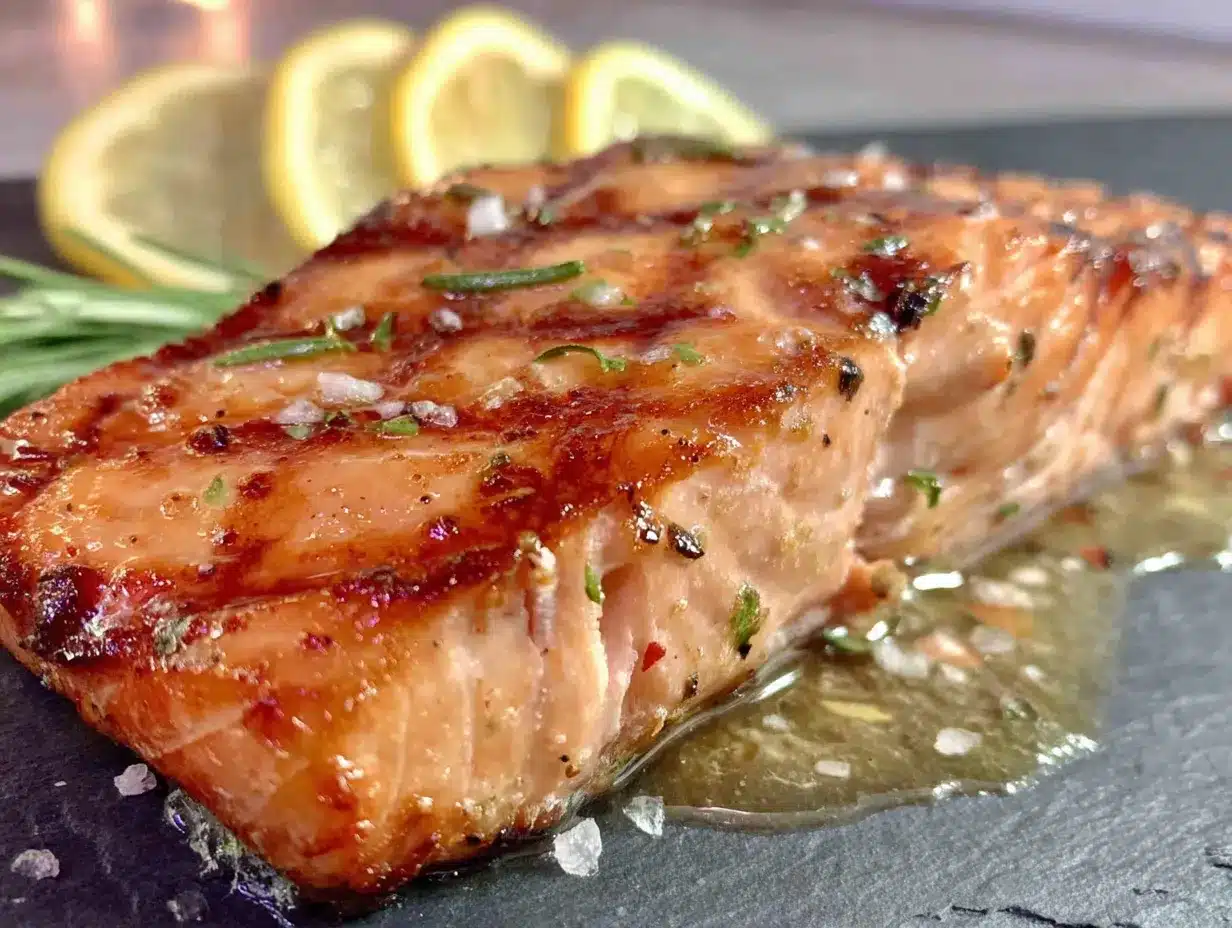
Alright, let’s get cooking. This is straightforward, so don’t overthink it. Follow these steps, and you’ll have a beautiful dinner on the table in no time.
- Preheat your oven to 375°F (190°C). While it’s heating, take your salmon fillets out of the fridge and let them sit on the counter for about 10 minutes. This helps them cook more evenly.
- Pat the salmon dry. Use paper towels to gently pat the fillets dry on all sides. This is a crucial step—removing excess moisture helps the sauce cling to the fish and promotes better browning.
- Season the salmon. Place the fillets in your baking dish, skin-side down if they have skin. Season them generously with salt and black pepper on both sides. Don’t be shy here; the seasoning is the foundation of the flavor.
- Make the lemon butter sauce. In a small bowl, whisk together the melted butter, fresh lemon juice, lemon zest, minced garlic, Dijon mustard, and dried dill. Whisk until everything is well combined and slightly emulsified. It should look like a thin, golden dressing.
- Pour the sauce over the salmon. Drizzle the lemon butter mixture evenly over the fillets. Use a spoon or a brush to make sure each fillet is nicely coated. Don’t worry if some pools in the bottom of the dish—it will create a lovely sauce as it bakes.
- Bake the salmon. Place the baking dish in the preheated oven and bake for 12-15 minutes, depending on the thickness of your fillets. The salmon is done when it flakes easily with a fork and the center is just slightly translucent. If you’re using a thermometer, look for an internal temperature of 125°F to 130°F.
- Rest and serve. Once baked, remove the dish from the oven and let the salmon rest for about 2 minutes. This allows the juices to redistribute. Spoon some of the pan sauce over the top, garnish with fresh parsley if you like, and serve immediately.
Pro Tip: If your fillets vary in thickness, check the thinner ones a minute or two early to prevent overcooking. You can always put them back in if needed, but you can’t un-cook dry salmon!
Cooking Tips & Techniques
I’ve made this recipe more times than I can count, and I’ve learned a few things along the way. Here are my best tips to ensure your Lighter Lemon Butter Baked Salmon turns out perfect every time.
- Don’t overbake. This is the number one mistake I see. Salmon goes from perfectly flaky to dry and sad in about 60 seconds. Start checking at the 12-minute mark. It’s better to undercook slightly and let it rest—it will continue to cook from residual heat.
- Use room temperature ingredients. Your melted butter should be warm but not hot, and your lemon juice should be at room temperature. If the butter is too hot, it can start to cook the garlic before it even hits the oven.
- Line your baking dish. If you want even easier cleanup, line your dish with parchment paper or foil. Just leave enough overhang to lift the salmon out once it’s done.
- Don’t crowd the pan. Give each fillet a little space. If they’re too close together, they’ll steam instead of bake, and you won’t get that nice, tender texture.
- Save the extra sauce. The pan sauce is liquid gold. Spoon it over rice, quinoa, or steamed vegetables for an instant flavor boost.
I once forgot to pat the salmon dry—I was in a hurry and thought it wouldn’t matter. The result was a watery, bland sauce that didn’t cling to the fish at all. It was a sad dinner, and I learned my lesson. Patting dry isn’t optional; it’s essential.
Variations & Adaptations
One of the best things about this recipe is how easily it adapts. Here are a few ways to change it up based on what you have or what you’re in the mood for.
- Herb Swap: If you’re not a dill fan, try using fresh thyme or oregano instead. Both pair beautifully with lemon and garlic. Use about 1 teaspoon of fresh herbs, chopped.
- Spicy Kick: Add a pinch of red pepper flakes to the lemon butter sauce for a subtle heat. It cuts through the richness and adds a lovely warmth.
- Dairy-Free Version: Swap the butter for a good-quality olive oil or a dairy-free butter alternative. The texture will be slightly different, but the flavor will still be bright and delicious.
- Add Vegetables: Toss some asparagus spears or green beans in the baking dish around the salmon. They’ll roast in the lemon butter sauce and make for an easy one-pan meal.
- Garlic Lovers: If you love garlic (like I do), add an extra clove or two. Just be careful—raw garlic can be strong, so roasting it in the sauce mellows it out beautifully.
I once tried this recipe with a splash of white wine in the sauce, and it was fantastic. Just a tablespoon or two, added along with the lemon juice. It added an extra layer of complexity that felt very fancy for a Tuesday night.
Serving & Storage Suggestions
This salmon is versatile enough to pair with just about anything. Here’s how I like to serve it and how to store any leftovers.
Serving Suggestions: Serve the salmon warm, straight from the oven, with a generous spoonful of the pan sauce over the top. It pairs beautifully with simple sides like steamed rice, roasted potatoes, or a crisp green salad with a lemon vinaigrette. For a low-carb option, try it over a bed of sautéed spinach or zucchini noodles. A glass of crisp white wine, like a Sauvignon Blanc or a dry Riesling, is the perfect accompaniment.
Storage Instructions: Leftover salmon can be stored in an airtight container in the refrigerator for up to 2 days. The texture will be best if you eat it cold or gently reheat it. To reheat, place the salmon in a low oven (300°F) for about 5-7 minutes, or until just warmed through. You can also flake it cold over a salad for an easy lunch—the lemon butter sauce doubles as a dressing.
Freezing: I don’t recommend freezing cooked salmon, as the texture can become watery and mushy upon thawing. It’s best enjoyed fresh or within a day or two.
Nutritional Information & Benefits
This Lighter Lemon Butter Baked Salmon isn’t just delicious—it’s also packed with nutrients that make you feel good about eating it.
- Estimated Nutritional Values (per serving, based on 4 servings):
- Calories: 320
- Protein: 34g
- Fat: 18g (7g saturated)
- Carbohydrates: 2g
- Fiber: 0g
- Sugar: 1g
- Health Benefits: Salmon is an excellent source of omega-3 fatty acids, which are great for heart health and brain function. It’s also packed with high-quality protein, B vitamins, and selenium. The lemon juice adds a dose of vitamin C, while the garlic provides immune-boosting properties.
- Dietary Considerations: This recipe is naturally gluten-free, low-carb, and keto-friendly. For a dairy-free version, simply swap the butter for olive oil.
- Potential Allergens: Contains fish and dairy (butter).
I love that this recipe feels indulgent but is actually quite good for you. It’s the kind of meal that satisfies your cravings while supporting your health goals.
Conclusion
So there you have it—a Lighter Lemon Butter Baked Salmon that came to me from the most unlikely of places. It’s proof that great recipes can show up when you least expect them, and that sometimes the simplest methods yield the most satisfying results.
I hope you give this one a try. Play with the herbs, adjust the garlic to your liking, and make it your own. That’s the beauty of cooking—it’s never exactly the same twice. And when you do make it, I’d love to hear how it turned out. Did you add a twist? Serve it with something unexpected? Drop a comment below and let me know. Your version might just inspire someone else, or maybe even me on my next trip to the DMV.
Until next time, happy cooking, and remember—the best recipes often come from the most ordinary moments.
Frequently Asked Questions
Can I use frozen salmon for this recipe?
Yes, you can! Just make sure to thaw it completely in the refrigerator overnight before cooking. Pat it very dry with paper towels to remove any excess moisture, as frozen salmon tends to release more water during cooking.
Can I use skin-on salmon?
Absolutely. Skin-on fillets work great for this recipe. Just place them skin-side down in the baking dish. The skin will help protect the fish and keep it moist. You can easily remove it after baking if you prefer.
How do I know when the salmon is done?
The easiest way is to use an instant-read thermometer. Salmon is perfectly cooked at 125°F to 130°F in the center. Without a thermometer, look for the fish to flake easily with a fork and be just slightly translucent in the middle. It will continue to cook as it rests.
Can I make the lemon butter sauce ahead of time?
I recommend making the sauce fresh, as the lemon juice can lose its brightness over time. However, you can mix the melted butter, Dijon mustard, garlic, and dill a few hours ahead and store it in the fridge. Add the lemon juice and zest just before pouring it over the salmon.
What can I use instead of Dijon mustard?
If you don’t have Dijon, you can use a teaspoon of whole-grain mustard for a slightly different texture, or simply omit it. The mustard helps emulsify the sauce, but the recipe will still work without it—just whisk the butter and lemon juice a little more vigorously.
PrintBest Lighter Lemon Butter Baked Salmon Recipe
A simple, satisfying salmon recipe with a light lemon butter sauce that’s perfect for busy weeknights. This dish is flaky, tender, and bright without being greasy.
- Prep Time: 10 minutes
- Cook Time: 15 minutes
- Total Time: 25 minutes
- Yield: 4 servings 1x
- Category: Main Course
- Cuisine: American
Ingredients
- 4 salmon fillets (about 6 oz each)
- 2 tablespoons unsalted butter, melted
- 3 tablespoons fresh lemon juice
- 1 teaspoon lemon zest
- 2 cloves garlic, minced
- 1 teaspoon Dijon mustard
- 1 teaspoon dried dill
- Salt and black pepper to taste
- Fresh parsley for garnish (optional)
Instructions
- Preheat your oven to 375°F (190°C). Let salmon fillets sit at room temperature for about 10 minutes.
- Pat the salmon dry with paper towels on all sides.
- Place the fillets in a baking dish, skin-side down if they have skin. Season generously with salt and black pepper on both sides.
- In a small bowl, whisk together melted butter, fresh lemon juice, lemon zest, minced garlic, Dijon mustard, and dried dill until well combined.
- Drizzle the lemon butter mixture evenly over the fillets, using a spoon or brush to coat each fillet.
- Bake for 12-15 minutes, depending on thickness, until salmon flakes easily with a fork and internal temperature reaches 125°F to 130°F.
- Remove from oven and let rest for 2 minutes. Spoon pan sauce over the top, garnish with fresh parsley if desired, and serve immediately.
Notes
For best results, let salmon sit at room temperature for 10 minutes before baking. Pat dry thoroughly to ensure sauce clings. Start checking doneness at 12 minutes to avoid overcooking. The pan sauce is great over rice or vegetables.
Nutrition
- Serving Size: 1 fillet
- Calories: 320
- Sugar: 1
- Fat: 18
- Saturated Fat: 7
- Carbohydrates: 2
- Protein: 34
Keywords: salmon, lemon butter, baked salmon, easy salmon recipe, weeknight dinner, healthy salmon, low-carb, keto-friendly


