This was supposed to be a lazy Sunday sauce. You know the kind—the one that simmers for hours, fills your whole apartment with that deep, slow-cooked smell, and makes you feel like you actually have your life together. I had the tomatoes ready, the good olive oil, even that bottle of red wine I’d been saving. But then my neighbor knocked on the door with a crisis about her cat, and by the time I got back to the kitchen, I had exactly seventeen minutes before I needed to leave for something I’d completely forgotten about.
I stood there staring at the stove, completely deflated. The shrimp was already thawed in the fridge. The pasta was on the counter. And I was already running late. So I did what any reasonable person would do: I panicked for about thirty seconds, then grabbed the garlic, the butter, and decided to just throw things together and hope for the best. Honestly, I wasn’t expecting much. I figured I’d end up with something edible but forgettable.
What came out of that pan was nothing like the slow-simmered sauce I’d planned—and it was better. I mean, way better. The garlic butter coated every strand of pasta in this silky, fragrant way that felt indulgent but somehow not heavy. The shrimp stayed plump and juicy instead of getting tough and rubbery. And the whole thing came together in less time than it takes to watch a single episode of a sitcom. I stood there eating it straight from the pan, genuinely confused about how something so fast could taste this good. Maybe you’ve been there—that moment when a kitchen disaster turns into something you end up making twice a week. This light 15-minute garlic butter shrimp pasta is that recipe for me. It’s the one I keep coming back to, not because it’s easy, but because it honestly tastes like I spent way more effort than I actually did.
Why You’ll Love This Recipe
Let me tell you why this one is different from every other shrimp pasta recipe you’ve tried. I’ve tested this about a dozen times to get the balance just right—enough butter to feel luxurious, but light enough that you don’t need a nap afterward. It’s the kind of recipe that makes you feel like you’re eating something special on a random Tuesday night.
- Quick & Easy: From fridge to table in 15 minutes flat. No marinating, no complicated steps, no waiting around. Perfect for those nights when you’re starving and patience is not a virtue you possess.
- Simple Ingredients: You probably have most of this in your kitchen right now. Butter, garlic, shrimp, pasta, lemon, and a few pantry staples. No fancy grocery store runs required.
- Perfect for Busy Weeknights: This is the recipe you make when you want something that feels like a treat but doesn’t demand your whole evening. Great for post-work dinners, late nights, or when you just can’t be bothered.
- Crowd-Pleaser: I’ve served this to picky eaters, seafood skeptics, and actual chefs. Every single person went back for seconds. The garlic butter is just that good.
- Unbelievably Delicious: The texture is what gets me every time. The pasta is perfectly coated but not drowning. The shrimp is tender with just a little bite. And that garlic butter sauce? It’s silky and rich without being greasy. Comfort food that doesn’t weigh you down.
What makes this version special is the technique. Most recipes either drown everything in heavy cream or use way too much butter. I found a sweet spot—using just enough butter for flavor, then finishing with pasta water and fresh lemon to create a sauce that clings to the pasta without being heavy. It’s been tested by my family (who are brutally honest) and approved by my nutritionist friend who said, “This actually fits into a balanced diet.” That’s the kind of approval that matters.
This isn’t just good for a quick meal. It’s the kind of pasta that makes you close your eyes after the first bite. It’s comfort food reimagined—lighter, faster, but with that same soul-soothing satisfaction. Perfect for impressing a date without breaking a sweat, or turning a chaotic Tuesday into something worth remembering.
What Ingredients You Will Need
This recipe uses simple, wholesome ingredients to deliver bold flavor and satisfying texture without the fuss. Most of these are pantry staples, and the ones that aren’t are easy to find at any grocery store. Here’s what you need and why each one matters.
For the Pasta
- 8 ounces spaghetti or linguine (use whole wheat for extra fiber, or chickpea pasta for a protein boost)
- Salt for the pasta water (be generous—this is your only chance to season the pasta itself)
For the Garlic Butter Shrimp
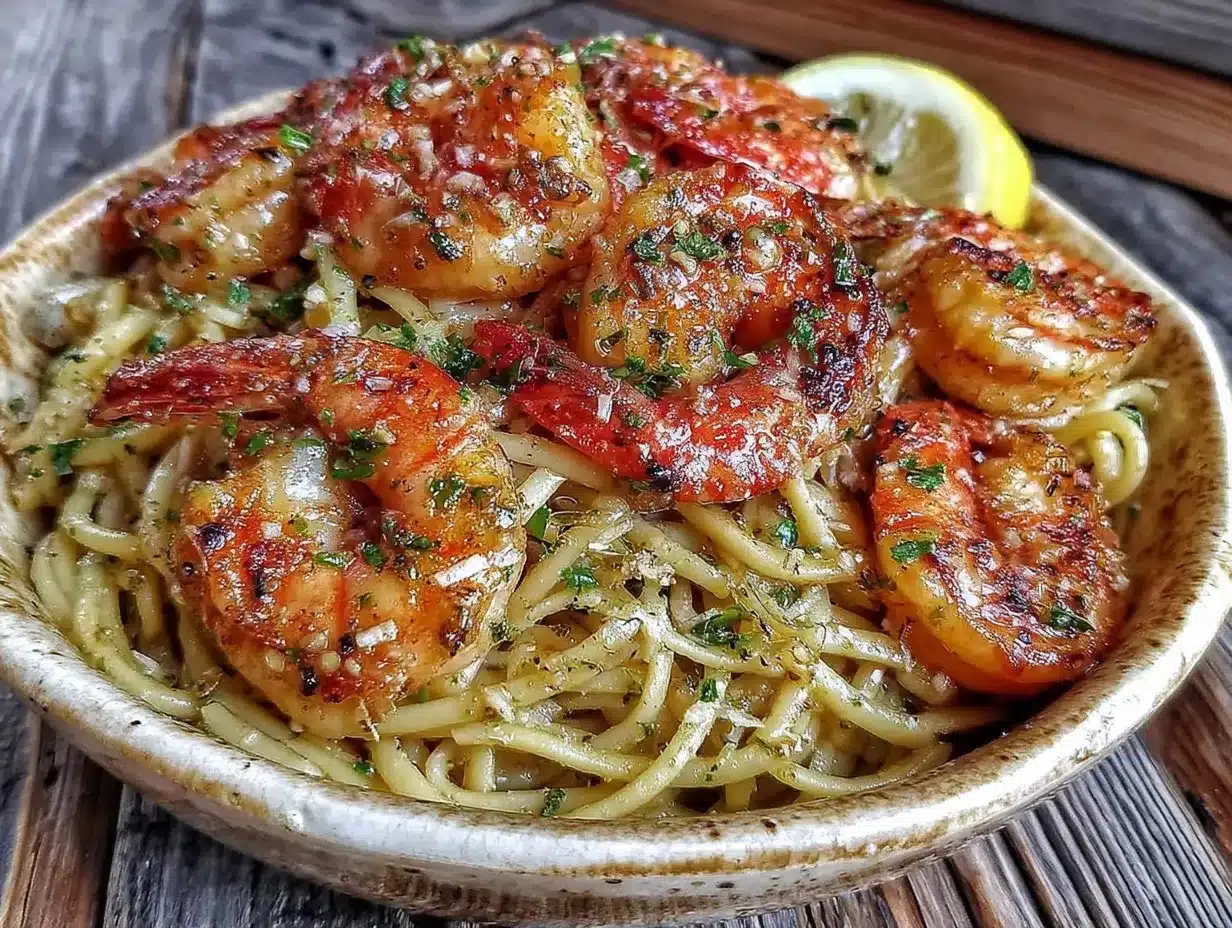
- 1 pound large shrimp, peeled and deveined (I prefer wild-caught for better flavor, but any large shrimp works)
- 3 tablespoons unsalted butter (I use Kerrygold for its rich taste, but any good butter works)
- 4 cloves garlic, minced (fresh only—skip the jarred stuff here, it makes a difference)
- ½ teaspoon red pepper flakes (optional, but gives a nice warmth without real heat)
- ¼ teaspoon salt
- ¼ teaspoon black pepper
For the Sauce & Finish
- 1 lemon, juiced and zested (about 2 tablespoons juice, 1 teaspoon zest)
- ¼ cup reserved pasta water (this is the secret to a silky sauce without cream)
- 2 tablespoons fresh parsley, chopped (adds color and freshness)
- ¼ cup grated Parmesan cheese (optional, for a savory finish—use Pecorino Romano for a sharper bite)
Ingredient selection tip: Look for shrimp that smell like the ocean, not fishy. If they’re frozen, thaw them overnight in the fridge or under cold running water for about 15 minutes. Pat them really dry with paper towels before cooking—wet shrimp won’t get that beautiful golden sear. I’ve learned this the hard way, believe me.
For the pasta water, don’t skip the salt. I use about a tablespoon per gallon of water. It should taste like the sea. This is the only chance you get to season the pasta itself, so be generous. The starchy water is also what helps the sauce cling to the noodles without needing heavy cream.
Substitution guidance: Use gluten-free pasta if needed—just cook it al dente and reserve extra pasta water since gluten-free varieties tend to absorb more liquid. For a dairy-free version, substitute the butter with a high-quality olive oil and skip the Parmesan. For a lower-carb option, try zucchini noodles or spaghetti squash, though you’ll want to reduce the pasta water amount since they don’t absorb liquid the same way.
Equipment Needed
You don’t need a fancy kitchen to make this recipe. Here’s what you’ll actually use:
- Large pot for boiling pasta (at least 4 quarts capacity)
- Large skillet or sauté pan (12-inch is ideal—gives the shrimp room to sear instead of steam)
- Colander for draining pasta
- Measuring cups and spoons
- Chef’s knife and cutting board
- Microplane or zester for the lemon zest (a vegetable peeler works in a pinch)
- Tongs for tossing the pasta with the sauce
- Liquid measuring cup for reserving pasta water
If you don’t have a microplane, honestly, just use the fine side of a box grater. I’ve done it that way plenty of times when mine was in the dishwasher. And if you don’t have tongs, two forks work just fine—it’s a little messier, but the pasta doesn’t care. My favorite skillet for this is a stainless steel one because it gives the shrimp a nice crust, but non-stick works perfectly too. Just don’t use cast iron unless you’re okay with your sauce having a slightly metallic taste from the lemon.
Preparation Method
This comes together fast, so I recommend having everything prepped before you start. Trust me on this—you don’t want to be mincing garlic while your pasta water is boiling over. Here’s the step-by-step.
- Bring a large pot of salted water to a rolling boil. Add your pasta and cook according to package directions until al dente. Reserve 1 cup of pasta water before draining (you won’t use it all, but it’s better to have extra). Drain the pasta and set aside. Time: 8-10 minutes
- While the pasta cooks, prep your shrimp. Pat the shrimp dry with paper towels. Season with salt and pepper. This is important—dry shrimp = golden sear. Wet shrimp = sad, gray shrimp. Time: 2 minutes
- Heat a large skillet over medium-high heat. Add 1 tablespoon of the butter. Once it’s melted and sizzling (but not browning), add the shrimp in a single layer. Cook for 2 minutes without moving them. You want that golden crust. Flip and cook for another 1-2 minutes until pink and opaque. Transfer the shrimp to a plate. Time: 4 minutes
- Reduce the heat to medium. Add the remaining 2 tablespoons of butter to the same skillet. Once melted, add the minced garlic and red pepper flakes. Cook for 30-60 seconds until fragrant—stir constantly so the garlic doesn’t burn. Burnt garlic tastes bitter and will ruin the whole dish. Time: 1 minute
- Add the lemon juice and zest to the pan, scraping up any browned bits from the bottom. This is called deglazing, and it’s where all the flavor lives. Let it bubble for about 30 seconds.
- Add ¼ cup of the reserved pasta water to the skillet. Stir to combine. The water will emulsify with the butter and lemon to create a silky sauce. Let it simmer for about 1 minute until slightly thickened.
- Add the drained pasta to the skillet along with the cooked shrimp. Use tongs to toss everything together for about 1-2 minutes until the pasta is well coated and the shrimp is heated through. If the sauce seems too thick, add another splash of pasta water. Time: 2 minutes
- Remove from heat. Stir in the fresh parsley and half the Parmesan cheese. Taste and adjust seasoning—more salt, pepper, or lemon juice as needed.
- Serve immediately with remaining Parmesan on top. A final squeeze of lemon over each plate brightens everything up.
Sensory cues to watch for: The garlic should smell fragrant and nutty, not sharp or burnt. The sauce should look glossy and coat the back of a spoon. The pasta should be tender but still have a slight bite in the center. When you toss everything together, it should look like every strand is wearing a thin, shiny coating of sauce—not swimming in liquid.
Personal efficiency tip: I start the pasta water first, then prep the shrimp while it comes to a boil. By the time the pasta is done, the shrimp is cooked and the sauce is ready. Everything happens in parallel, and dinner is on the table in 15 minutes flat.
Cooking Tips & Techniques
I’ve made this recipe about thirty times now, and I’ve learned a few things the hard way. Here’s what I wish someone had told me.
Don’t overcrowd the pan. If your skillet is too small, the shrimp will steam instead of sear. You want them to have space between each piece. If you’re doubling the recipe, cook the shrimp in two batches. Yes, it takes an extra few minutes, but the texture difference is massive. I learned this after making sad, rubbery shrimp for years.
The pasta water trick is non-negotiable. I know it seems like a small detail, but that starchy water is what makes the sauce cling to the pasta instead of pooling at the bottom of the bowl. It’s the difference between a sauce that feels integrated and one that feels separate. Reserve a full cup even if you think you won’t need it. You can always pour the extra down the drain, but you can’t re-starch water after it’s gone.
Timing is everything. Have your pasta draining and ready to go before you start the garlic. That garlic goes from perfect to burnt in about 15 seconds. I once got distracted by a text message and ended up with garlic that looked like espresso grounds. The whole dish tasted like regret. Set the garlic timer in your head—once it’s in the pan, don’t look away.
Pat those shrimp dry. I cannot stress this enough. Even if you think they’re dry, pat them again with a paper towel. Moisture is the enemy of a good sear. If your shrimp are releasing water into the pan, you didn’t dry them enough. It’s okay—we’ve all been there. Just cook them a little longer and accept that they won’t be as golden.
Taste as you go. The lemon might need adjusting depending on how tart your lemons are. The salt might need tweaking based on how salty your pasta water was. Don’t be afraid to add a pinch more of something. Cooking isn’t about following rules—it’s about making things taste good. Your taste buds know what they’re doing.
Variations & Adaptations
This recipe is forgiving, and I’ve tried a bunch of different versions. Here are my favorites.
Spicy Cajun Version: Add 1 teaspoon of Cajun seasoning to the shrimp before cooking, and swap the red pepper flakes for a chopped fresh jalapeño. The smoky heat pairs beautifully with the garlic butter. I made this for a Mardi Gras party and it disappeared in minutes.
Lighter Lemon Herb Version: Use olive oil instead of butter, double the lemon juice, and add a handful of fresh basil and mint along with the parsley. This version feels brighter and more summery. Great for when you want something that doesn’t feel heavy at all.
Vegetable-Packed Version: Add a cup of cherry tomatoes (halved) and a handful of spinach to the pan after the garlic. Cook until the tomatoes burst and the spinach wilts, then proceed with the recipe. You get extra nutrients and the tomatoes add a lovely sweetness that balances the garlic.
Dairy-Free Adaptation: Use a good quality extra-virgin olive oil instead of butter (about 3 tablespoons). Skip the Parmesan or use a dairy-free alternative. The sauce will be a bit thinner, but the flavor is still incredible. I’ve served this to dairy-free friends and they didn’t miss a thing.
Low-Carb Option: Swap the pasta for zucchini noodles or spaghetti squash. If using zucchini noodles, add them to the pan after removing from heat and toss gently—they’ll warm through without getting mushy. For spaghetti squash, roast it ahead of time and toss with the sauce just before serving.
My personal favorite variation: I add a splash of white wine (about ¼ cup) after the garlic, let it reduce by half, then proceed with the lemon and pasta water. The wine adds a layer of complexity that makes the dish feel restaurant-quality. Just make sure to cook off the alcohol before adding the other ingredients.
Serving & Storage Suggestions
This pasta is best served immediately, right when it’s hot and the sauce is still glossy. Here’s how to make the most of it.
Serving temperature: Serve hot, straight from the pan. The sauce will start to thicken as it cools, so don’t let it sit around. I like to warm the serving bowls in the microwave for 30 seconds before plating—it keeps the pasta hot longer.
Presentation tips: Use tongs to twirl the pasta into neat nests on each plate. Arrange the shrimp on top or around the edges. Sprinkle with fresh parsley and a generous grating of Parmesan. A lemon wedge on the side looks beautiful and lets people add more brightness if they want.
What to serve with it: A simple green salad with lemon vinaigrette is perfect—the acidity complements the pasta without competing. Crusty bread for sopping up any extra sauce is non-negotiable. For a vegetable side, roasted asparagus or a quick sautéed zucchini works beautifully. A glass of crisp white wine like Pinot Grigio or Sauvignon Blanc is the ideal pairing.
Storage instructions: Store leftovers in an airtight container in the refrigerator for up to 2 days. The pasta will absorb some of the sauce overnight, so it won’t be quite as silky the next day, but the flavor is still great.
Reheating tips: The best way to reheat is in a skillet over medium-low heat with a splash of water or chicken broth. Stir gently until warmed through. Microwave works in a pinch, but add a tablespoon of water and cover with a damp paper towel to prevent the pasta from drying out. Don’t overheat or the shrimp will get rubbery.
Flavor development note: Honestly, the flavors meld together nicely overnight. The garlic mellows and the lemon brightens. It’s not quite as good as fresh, but I’ve been known to eat it cold straight from the fridge for lunch the next day. No judgment here.
Nutritional Information & Benefits
Here’s the approximate nutritional breakdown for one serving (about ¼ of the recipe, using regular pasta and butter).
| Nutrient | Amount per Serving |
|---|---|
| Calories | 420 |
| Protein | 32g |
| Carbohydrates | 45g |
| Fiber | 3g |
| Fat | 14g |
| Saturated Fat | 7g |
| Sodium | 520mg |
Health benefits: Shrimp is an excellent source of lean protein and contains selenium, which supports immune function. It’s also rich in omega-3 fatty acids, which are great for heart and brain health. Garlic has anti-inflammatory properties and may help support cardiovascular health. The lemon provides a good dose of vitamin C, and the parsley adds antioxidants and vitamin K.
Dietary considerations: This recipe is naturally low in added sugar and can be made gluten-free with appropriate pasta. For a lower-calorie version, reduce the butter to 2 tablespoons and skip the Parmesan. The dish is relatively high in protein for a pasta meal, which helps keep you full and satisfied.
Allergen note: Contains shellfish (shrimp), dairy (butter, Parmesan), and gluten (pasta). Adjust as needed for your dietary needs.
Personal wellness perspective: I love that this recipe feels indulgent without actually being heavy. It’s the kind of meal that satisfies a comfort food craving while still fitting into a balanced eating pattern. You get the pleasure of a rich, buttery pasta without the post-dinner sluggishness. That’s a win in my book.
FAQs
Can I use frozen shrimp for this recipe?
Absolutely. Just make sure to thaw them completely and pat them very dry before cooking. Frozen shrimp often release more water, so extra drying is key for a good sear. Thaw them overnight in the fridge or under cold running water for about 15 minutes.
What if I don’t have fresh garlic?
Fresh garlic really does make a difference here, but in a pinch, you can use 1 teaspoon of garlic powder. Add it with the red pepper flakes. It won’t have the same fragrant punch, but it’ll still taste good. Just don’t use jarred minced garlic—it has a different flavor that doesn’t work as well in this simple recipe.
Can I make this ahead of time?
This is really best made fresh, but you can prep the ingredients ahead. Peel and devein the shrimp, mince the garlic, juice the lemon, and chop the parsley. Store everything in the fridge, then cook when you’re ready. The actual cooking only takes about 10 minutes once your pasta water is boiling.
How do I keep the shrimp from getting rubbery?
The key is not overcooking them. Shrimp cook very quickly—about 2-3 minutes total. Cook just until they turn pink and opaque. Remove them from the pan right away, then add them back at the end just to warm through. Also, don’t crowd the pan. Overcrowding lowers the temperature and causes the shrimp to steam instead of sear.
Can I use a different type of pasta?
Yes, any long pasta works well—angel hair, fettuccine, or even bucatini. Short pastas like penne or farfalle also work, but the sauce might not cling as well. I’ve even made this with orzo for a different texture. Just adjust the cooking time based on your pasta shape.
Conclusion
This light 15-minute garlic butter shrimp pasta is proof that you don’t need hours in the kitchen to make something genuinely delicious. It started as a panic-driven kitchen disaster and turned into the recipe I reach for more than any other. The garlic butter sauce is silky without being heavy, the shrimp are tender and golden, and the whole thing comes together faster than you can decide what to order for delivery.
I really hope you give this a try. Don’t be afraid to make it your own—add more garlic if you’re a garlic lover, throw in some cherry tomatoes if you have them, or skip the Parmesan if that’s not your thing. The beauty of this recipe is that it’s forgiving. It works with what you have. It doesn’t demand perfection.
If you make this, I’d love to hear how it turned out. Drop a comment below and let me know if you added your own twist, or if it became a regular in your weeknight rotation like it did in mine. And if you’re looking for more quick and easy dinners, check out my crispy garlic chicken or my lemon herb salmon foil packets for another fast, flavorful meal. Happy cooking, friends—you’ve got this.
Pin This Recipe!
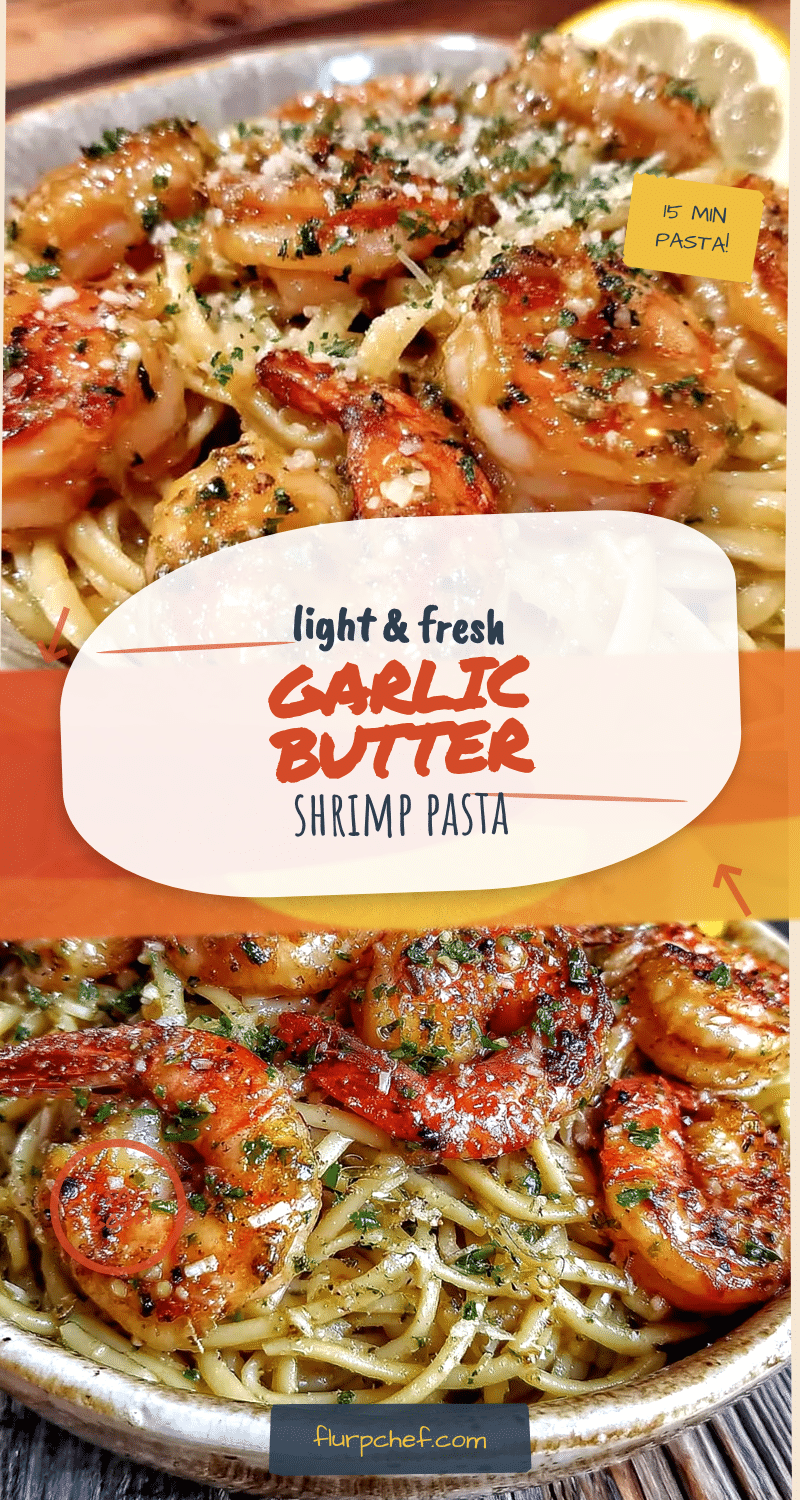
Easy 15-Minute Garlic Butter Shrimp Pasta: Best Light Recipe
A quick and delicious garlic butter shrimp pasta that comes together in just 15 minutes. Perfect for busy weeknights, this light yet indulgent dish features tender shrimp, al dente pasta, and a silky garlic butter sauce without heavy cream.
- Prep Time: 5 minutes
- Cook Time: 10 minutes
- Total Time: 15 minutes
- Yield: 4 servings 1x
- Category: Main Course
- Cuisine: Italian
Ingredients
- 8 ounces spaghetti or linguine
- Salt for pasta water
- 1 pound large shrimp, peeled and deveined
- 3 tablespoons unsalted butter
- 4 cloves garlic, minced
- ½ teaspoon red pepper flakes (optional)
- ¼ teaspoon salt
- ¼ teaspoon black pepper
- 1 lemon, juiced and zested (about 2 tablespoons juice, 1 teaspoon zest)
- ¼ cup reserved pasta water
- 2 tablespoons fresh parsley, chopped
- ¼ cup grated Parmesan cheese (optional)
Instructions
- Bring a large pot of salted water to a rolling boil. Add pasta and cook according to package directions until al dente. Reserve 1 cup of pasta water before draining. Drain pasta and set aside.
- While pasta cooks, pat shrimp dry with paper towels. Season with salt and pepper.
- Heat a large skillet over medium-high heat. Add 1 tablespoon of butter. Once melted and sizzling, add shrimp in a single layer. Cook for 2 minutes without moving. Flip and cook for another 1-2 minutes until pink and opaque. Transfer shrimp to a plate.
- Reduce heat to medium. Add remaining 2 tablespoons of butter to the same skillet. Once melted, add minced garlic and red pepper flakes. Cook for 30-60 seconds until fragrant, stirring constantly.
- Add lemon juice and zest to the pan, scraping up any browned bits. Let bubble for about 30 seconds.
- Add ¼ cup reserved pasta water to the skillet. Stir to combine. Let simmer for about 1 minute until slightly thickened.
- Add drained pasta and cooked shrimp to the skillet. Use tongs to toss everything together for 1-2 minutes until pasta is well coated and shrimp is heated through. Add more pasta water if sauce is too thick.
- Remove from heat. Stir in fresh parsley and half the Parmesan cheese. Taste and adjust seasoning.
- Serve immediately with remaining Parmesan on top. A final squeeze of lemon over each plate brightens everything up.
Notes
Pat shrimp very dry for a good sear. Reserve a full cup of pasta water even if you think you won’t need it. Don’t overcrowd the pan when cooking shrimp. Taste as you go and adjust lemon, salt, and pepper. For dairy-free, substitute butter with olive oil and skip Parmesan. For gluten-free, use gluten-free pasta and reserve extra pasta water.
Nutrition
- Serving Size: 1 serving (about ¼ o
- Calories: 420
- Sugar: 2
- Sodium: 520
- Fat: 14
- Saturated Fat: 7
- Carbohydrates: 45
- Fiber: 3
- Protein: 32
Keywords: garlic butter shrimp pasta, quick shrimp pasta, 15 minute pasta, easy weeknight dinner, shrimp pasta recipe, light pasta, garlic butter sauce


