The neighborhood potluck was in four hours and I’d completely forgotten. This wasn’t just any potluck, either—it was the annual “Fall Harvest” thing my block does, where people bring their absolute best. Last year, Susan brought a from-scratch apple tart that people still talk about. I had a half-empty bag of butternut squash cubes from Trader Joe’s, some pasta elbows I’d bought on sale, and a sad bunch of sage wilting in my crisper drawer. Honestly, I almost just texted my neighbor Jen and said I had a “thing.” But then this idea hit me—what if I just… blended the squash into a sauce? I mean, people do that, right?
I started chopping in a mild panic, the kind where you’re moving fast but also kind of laughing at yourself. The squash went into a pot to boil while I tried to remember if I had any real cheese left. I found a sad hunk of cheddar and some Parmesan rinds. Not exactly a gourmet setup. But here’s the thing—when I blended that soft squash with the milk and cheese, the color turned this ridiculous shade of golden orange. It looked like comfort in a bowl. I fried the sage leaves in a tiny bit of butter and they went crispy in seconds. I mixed it all together, threw it in a baking dish, and ran out the door.
At the potluck, I put my dish on the table next to Susan’s tart and immediately felt embarrassed. But then people started eating. And then they went back for seconds. And then Susan herself asked for the recipe. That’s when I knew I’d stumbled onto something real. Maybe you’ve been there—when a recipe born from chaos turns out to be the one you actually want to make again. This butternut squash mac and cheese with crispy sage is that recipe for me. It’s healthy-ish, it’s ridiculously creamy, and it tastes like you spent hours on it—even when you didn’t.
Why You’ll Love This Recipe
Let me tell you why this isn’t just another mac and cheese recipe. I’ve tested this thing about six times now—once with too much squash (sauce was thin), once with not enough salt (bland city), and once with the sage burnt to a crisp (don’t ask). But the version I’m sharing today? It’s the Goldilocks version. It’s the one that works every single time.
- Quick & Easy: You can have this on the table in about 35 minutes. The sauce comes together in the blender while the pasta boils. No roux-making, no standing over a hot stove stirring.
- Simple Ingredients: You probably already have most of this stuff. Butternut squash, pasta, milk, cheese, butter, sage. That’s it. No weird health-food store ingredients.
- Perfect for Fall Weeknights: This is the kind of dinner that makes a Tuesday feel cozy. It’s also great for potlucks, Thanksgiving sides, or when you want to trick your kids into eating a vegetable.
- Crowd-Pleaser: I’ve served this to picky eaters, health nuts, and cheese snobs. Everyone likes it. The squash adds creaminess without being “vegetable-y.”
- Unbelievably Delicious: The texture is velvety smooth, the sage adds this earthy crunch, and the whole thing tastes like fall in a bowl. You won’t miss the heavy cream.
What makes this different from other “healthy” mac and cheese recipes? Most of them taste like diet food. This one doesn’t. The secret is roasting the squash instead of boiling it—it concentrates the sweetness and gives the sauce a deeper flavor. Plus, the crispy sage topping adds a restaurant-quality touch that makes it feel special. This isn’t just good-for-you food. It’s good food that happens to be good for you.
What Ingredients You Will Need
This recipe uses simple, wholesome ingredients to deliver that creamy, indulgent texture without the heavy cream or processed cheese sauce. Most of these are pantry staples or easy to find at any grocery store. Let’s break it down.
For the Butternut Squash Sauce
- Butternut squash, peeled and cubed: About 3 cups of cubes (roughly 1 medium squash). I buy pre-cut cubes from the store to save time. Look for bright orange flesh—darker color means more flavor.
- Olive oil: For roasting the squash. A couple tablespoons is all you need. Use a good one—it makes a difference.
- Garlic cloves, whole: Two or three cloves, left in their skins. Roasting them mellows out the sharpness and adds a sweet, buttery note to the sauce.
- Milk: I use 2% or whole milk for creaminess. You can use unsweetened almond or oat milk for a dairy-free version—just know the sauce will be slightly thinner.
- Chicken or vegetable broth: About 1/4 cup, to help the sauce blend smoothly. Low-sodium is best so you control the salt.
- Sharp cheddar cheese, shredded: 1 cup, packed. Don’t buy pre-shredded—it has anti-caking agents that prevent smooth melting. Grate your own. I like Cabot or Tillamook for sharpness.
- Parmesan cheese, grated: 1/4 cup. Adds a salty, nutty depth that cheddar alone can’t give. Use real Parmesan, not the green can stuff.
- Salt, black pepper, and a pinch of nutmeg: The nutmeg is optional but it really brings out the squash’s sweetness. Trust me on this one.
For the Pasta
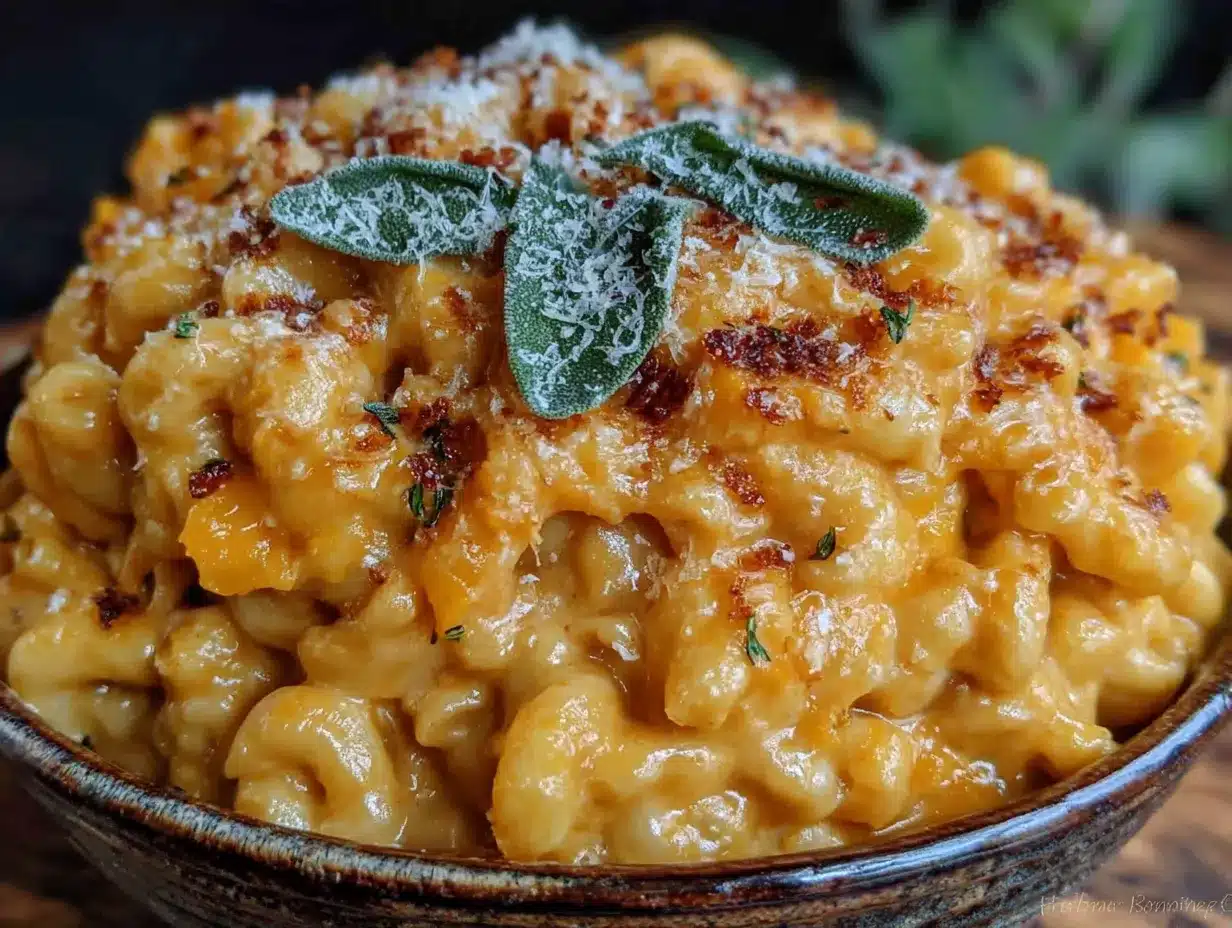
- Elbow macaroni or small shells: 8 ounces (about 2 cups dry). I like elbows for nostalgia, but shells hold the sauce better. Use whole wheat or chickpea pasta for extra fiber—just cook it al dente.
For the Crispy Sage Topping
- Fresh sage leaves: About 10-12 leaves. Don’t use dried sage here—it won’t crisp up the same way. Look for leaves that are bright green and not wilted.
- Butter or olive oil: 1 tablespoon. Butter gives more flavor, but olive oil works if you’re keeping it dairy-free.
- Optional: Panko breadcrumbs: 1/4 cup, for extra crunch. Toast them in the same pan after the sage for a double-crunch topping.
Equipment Needed
You don’t need a fancy kitchen for this one. Here’s what I use:
- Baking sheet: For roasting the squash. A rimmed sheet works best so nothing slides off.
- Large pot: For boiling the pasta. At least 4 quarts so the pasta has room to move.
- Blender or food processor: A high-speed blender makes the silkiest sauce, but a food processor works too. I’ve used my old Ninja for years and it does the job.
- Small skillet: For frying the sage leaves. Non-stick is easiest, but any skillet works.
- 9×13 baking dish: If you’re baking the mac and cheese. You can also serve it straight from the pot if you’re in a hurry.
- Cheese grater: Please grate your own cheese. A microplane works great for the Parmesan.
If you don’t have a blender, you can mash the squash with a potato masher—just expect a chunkier sauce. And if you don’t have a baking dish, use a cast-iron skillet. It actually gives a nicer crust on top.
Preparation Method
Alright, let’s make this. I’ll walk you through every step like we’re cooking together in my kitchen. Put on some music and let’s go.
Step 1: Roast the Squash
Preheat your oven to 400°F (200°C). Toss the cubed butternut squash with 2 tablespoons of olive oil and a pinch of salt. Spread it in a single layer on your baking sheet. Add the whole garlic cloves (skins on) to the sheet. Roast for 25-30 minutes, flipping halfway, until the squash is tender and the edges are lightly caramelized. You’ll know it’s done when a fork slides in easily. Let it cool for 5 minutes—this makes blending safer and easier.
Step 2: Cook the Pasta
While the squash roasts, bring a large pot of salted water to a boil. Add your pasta and cook according to package directions until al dente. For elbows, that’s usually about 8 minutes. Drain the pasta, but reserve about 1/2 cup of the pasta water. Don’t rinse the pasta—the starch helps the sauce stick. Set the pasta aside in the colander.
Step 3: Make the Sauce
Once the squash is cool enough to handle, squeeze the roasted garlic cloves out of their skins. It should come out like soft butter. Add the roasted squash, roasted garlic, milk, and broth to your blender. Blend on high until completely smooth—about 30-45 seconds. The sauce should be thick but pourable. If it’s too thick, add a splash more milk. If it’s too thin, don’t panic—we’ll thicken it on the stove.
Pour the blended sauce into the same pot you used for the pasta (no need to wash it). Warm it over medium-low heat. Add the shredded cheddar and Parmesan, stirring constantly until melted. Season with 1/2 teaspoon salt, 1/4 teaspoon black pepper, and a pinch of nutmeg. Taste it. Adjust the salt if needed—this is where most people under-season.
Step 4: Combine and Crisp the Sage
Add the cooked pasta to the cheese sauce and stir until every piece is coated. If the sauce seems too thick, add a splash of the reserved pasta water to loosen it up. Keep it warm on low heat while you make the topping.
In a small skillet, melt 1 tablespoon of butter over medium heat. Add the sage leaves in a single layer. Cook for 30-45 seconds per side, until they turn darker green and get crispy. They’ll sizzle and shrink a bit. Transfer them to a paper towel to drain. If you’re using panko, add it to the same pan and toast for 2 minutes until golden.
Step 5: Serve or Bake
You can serve the mac and cheese right away, topped with the crispy sage and panko. Or for a baked version, transfer everything to a greased 9×13 dish, top with the sage and panko, and bake at 375°F (190°C) for 10-15 minutes until bubbly and golden on top. I usually serve it straight from the pot because I’m impatient, but the baked version is prettier for guests.
Cooking Tips & Techniques
I’ve made this recipe about a dozen times now, and I’ve learned a few things the hard way. Let me save you some trouble.
Don’t skip roasting the squash. I know it’s tempting to boil it to save time, but roasting concentrates the natural sugars and gives the sauce a deeper, almost nutty flavor. Boiled squash makes a watery, bland sauce. Trust the roasting process—it’s worth the extra 10 minutes.
Grate your own cheese. I say this in every recipe, but pre-shredded cheese is coated with potato starch or cellulose to prevent clumping. That same coating prevents it from melting smoothly into your sauce. You’ll end up with a grainy texture instead of silky. Spend the 2 minutes grating a block of cheddar—your sauce will thank you.
Season in layers. Salt the pasta water until it tastes like the sea. Salt the squash before roasting. Season the sauce and taste it before adding the pasta. Each layer of seasoning builds flavor. The biggest mistake I made in my early tests was under-salting the final dish. It’s easier to add salt early than to fix it at the end.
Watch the sage carefully. Crispy sage goes from perfect to burnt in about 10 seconds. The leaves should sizzle when they hit the pan, but if the butter starts smoking, your heat is too high. Medium heat is your friend here. And don’t crowd the pan—cook the leaves in a single layer so they crisp evenly.
Reserve that pasta water. I cannot stress this enough. The starchy water is liquid gold for thinning out a sauce without making it watery. If your sauce gets too thick after sitting, a splash of pasta water brings it back to life.
Variations & Adaptations
One of the best things about this recipe is how flexible it is. Here are some ways I’ve adapted it for different moods and diets.
Make it vegan: Use unsweetened oat milk or cashew milk for the sauce. Swap the cheddar for a good vegan shred (I like Violife or Miyoko’s). Use nutritional yeast instead of Parmesan—about 2 tablespoons. And fry the sage in olive oil instead of butter. The sauce will be slightly less creamy but still delicious.
Add protein: I’ve stirred in shredded rotisserie chicken, crispy bacon bits, and even cooked Italian sausage. The smoky saltiness of bacon pairs especially well with the sweet squash. Just fold it in at the end before serving.
Swap the squash: Butternut is my favorite, but roasted sweet potato or pumpkin works beautifully too. If you use pumpkin, add an extra 1/4 cup of cheese because pumpkin is more watery. Carrot and potato puree also work in a pinch—I’ve tried it and it’s surprisingly good.
Make it gluten-free: Use your favorite gluten-free pasta. I like the brown rice and quinoa blends from Banza or Tinkyáda. Just cook it al dente and don’t overcook—gluten-free pasta turns mushy fast. The rest of the recipe is naturally gluten-free if you skip the panko or use GF breadcrumbs.
Spice it up: Add 1/4 teaspoon of cayenne pepper or red pepper flakes to the sauce for a little heat. I did this once when I had a cold and it was oddly perfect. The warmth cuts through the richness.
Serving & Storage Suggestions
This mac and cheese is best served hot, right after you make it. The sauce is at its creamiest, and the sage is perfectly crispy. But let’s be real—you might have leftovers. Here’s how to handle them.
Serving: Spoon it into bowls and top with the crispy sage and any extra Parmesan. I like to serve it with a simple green salad dressed with lemon vinaigrette—the acidity cuts through the richness. A side of roasted broccoli or Brussels sprouts also works great. For drinks, a crisp white wine like Sauvignon Blanc or a light lager pairs nicely.
Storage: Let the mac and cheese cool completely before storing. Transfer it to an airtight container and refrigerate for up to 4 days. The sauce will thicken as it sits—that’s normal. Don’t freeze this one; the dairy sauce can separate and turn grainy when thawed.
Reheating: The best way to reheat is on the stovetop. Add a splash of milk or broth and warm it over medium-low heat, stirring gently until the sauce loosens up. Microwaving works in a pinch, but go in 30-second bursts and stir between each. The sage will lose its crunch, so I usually make fresh sage leaves for leftovers—it takes 2 minutes and makes a huge difference.
Nutritional Information & Benefits
This isn’t diet food pretending to be indulgent. It’s actual comfort food that happens to have some real nutritional perks. Here’s the breakdown per serving (about 1 1/2 cups, based on 6 servings):
| Nutrient | Amount per Serving |
|---|---|
| Calories | ~380 |
| Protein | 16g |
| Carbohydrates | 45g |
| Fiber | 6g |
| Fat | 16g |
| Saturated Fat | 8g |
| Sodium | 520mg |
Butternut squash is packed with vitamin A (over 100% of your daily needs per cup), vitamin C, and potassium. It’s also high in fiber, which helps keep you full. The sage leaves contain antioxidants and have anti-inflammatory properties—plus they make everything taste amazing. Using milk instead of heavy cream cuts the saturated fat significantly, and the cheese provides calcium and protein. This is comfort food you can feel good about eating on a Tuesday night.
For dietary considerations: This recipe is vegetarian. For gluten-free, use GF pasta and skip the panko. For a lower-carb version, swap the pasta for roasted cauliflower florets—it’s actually incredible.
Frequently Asked Questions
Can I use frozen butternut squash?
Yes, absolutely. Frozen squash works great—just thaw it first and pat it dry with paper towels to remove excess moisture. Roast it the same way, but add 5-10 minutes to the cooking time since frozen squash releases more water.
Why is my sauce grainy?
This usually happens from one of two things: using pre-shredded cheese (the anti-caking agents cause graininess) or overheating the sauce. Once you add the cheese, keep the heat on low and stir constantly. High heat can cause the proteins in the cheese to separate and clump.
Can I make this ahead of time?
You can! Assemble the mac and cheese completely (without the sage topping), cover it, and refrigerate for up to 24 hours. When you’re ready to bake, add the sage and panko on top, and bake at 375°F for 20-25 minutes until hot and bubbly. You may need to add a splash of milk before baking since the pasta absorbs some sauce overnight.
Can I use dried sage instead of fresh?
You can, but it won’t give you the same crispy texture. Dried sage works better mixed into the sauce or breadcrumb topping. If you use dried sage for the topping, sprinkle it over the panko before toasting—it will become fragrant but not crispy.
How do I make the sauce thicker?
If your sauce is too thin, let it simmer on low heat for a few minutes without the pasta—it will naturally thicken as the liquid reduces. You can also stir in an extra 1/4 cup of grated cheese, which acts as a thickener. Avoid adding flour or cornstarch; it changes the texture completely.
Conclusion
This butternut squash mac and cheese with crispy sage is the recipe I keep coming back to, even when I have time to make something more complicated. It’s the one I make for myself on a quiet Wednesday night and the one I bring to parties when I want people to ask for the recipe. It’s proof that healthy eating doesn’t have to mean giving up the foods you love—it just means finding smarter ways to make them.
I hope you give this a try and make it your own. Maybe you’ll add bacon, or swap in sweet potato, or skip the sage because you can’t find it at the store. That’s the beauty of cooking—you get to decide. But if you do make it, I’d love to hear how it turned out. Leave a comment below or tag me in your photos. And honestly? Don’t be surprised if this becomes your new go-to potluck dish. It happened to me, and I didn’t even see it coming.
Pin This Recipe!
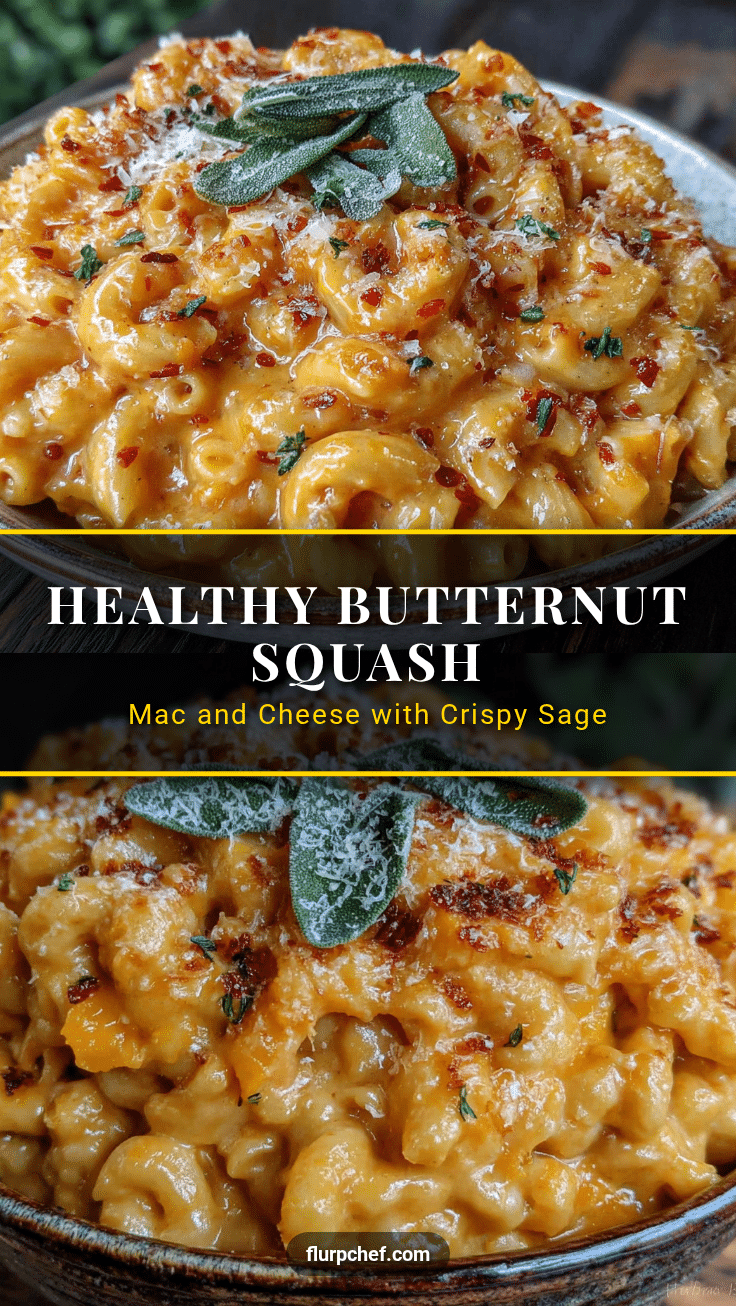
Healthy Butternut Squash Mac and Cheese

This creamy butternut squash mac and cheese with crispy sage is a healthy-ish comfort food that tastes like you spent hours on it. Made with roasted squash, sharp cheddar, and a simple blender sauce, it’s perfect for fall weeknights, potlucks, or when you want to trick your kids into eating a vegetable.
- Prep Time: 10 minutes
- Cook Time: 25 minutes
- Total Time: 35 minutes
- Yield: 6 servings 1x
- Category: Main Course
- Cuisine: American
Ingredients
- 3 cups butternut squash, peeled and cubed (about 1 medium squash)
- 2 tablespoons olive oil
- 2–3 whole garlic cloves, skins on
- 1 cup milk (2% or whole; or unsweetened almond/oat milk for dairy-free)
- 1/4 cup chicken or vegetable broth (low-sodium)
- 1 cup sharp cheddar cheese, shredded (packed; grate your own)
- 1/4 cup Parmesan cheese, grated
- 1/2 teaspoon salt
- 1/4 teaspoon black pepper
- Pinch of nutmeg (optional)
- 8 ounces elbow macaroni or small shells (about 2 cups dry)
- 10–12 fresh sage leaves
- 1 tablespoon butter or olive oil
- 1/4 cup panko breadcrumbs (optional, for extra crunch)
Instructions
- Preheat oven to 400°F (200°C). Toss cubed butternut squash with 2 tablespoons olive oil and a pinch of salt. Spread in a single layer on a rimmed baking sheet. Add whole garlic cloves (skins on). Roast for 25-30 minutes, flipping halfway, until squash is tender and edges are lightly caramelized. Let cool for 5 minutes.
- While squash roasts, bring a large pot of salted water to a boil. Cook pasta according to package directions until al dente. Drain, reserving 1/2 cup pasta water. Do not rinse pasta.
- Squeeze roasted garlic cloves out of their skins. Add roasted squash, roasted garlic, milk, and broth to a blender. Blend on high until completely smooth, about 30-45 seconds.
- Pour blended sauce into the same pot used for pasta. Warm over medium-low heat. Add shredded cheddar and Parmesan, stirring constantly until melted. Season with 1/2 teaspoon salt, 1/4 teaspoon black pepper, and a pinch of nutmeg. Taste and adjust salt if needed.
- Add cooked pasta to the cheese sauce and stir until coated. If sauce is too thick, add a splash of reserved pasta water to loosen.
- In a small skillet, melt 1 tablespoon butter over medium heat. Add sage leaves in a single layer. Cook for 30-45 seconds per side until crispy and darker green. Transfer to paper towels to drain. If using panko, add to the same pan and toast for 2 minutes until golden.
- Serve immediately topped with crispy sage and panko. For a baked version, transfer to a greased 9×13 dish, top with sage and panko, and bake at 375°F (190°C) for 10-15 minutes until bubbly and golden.
Notes
Don’t skip roasting the squash—it concentrates sweetness and prevents a watery sauce. Grate your own cheese for smooth melting. Season in layers: salt pasta water, salt squash before roasting, and season sauce before adding pasta. Watch sage carefully as it burns quickly. Reserve pasta water to adjust sauce consistency. For make-ahead: assemble without sage topping, refrigerate up to 24 hours, then bake at 375°F for 20-25 minutes with a splash of milk.
Nutrition
- Serving Size: 1 1/2 cups
- Calories: 380
- Sugar: 8
- Sodium: 520
- Fat: 16
- Saturated Fat: 8
- Carbohydrates: 45
- Fiber: 6
- Protein: 16
Keywords: butternut squash mac and cheese, healthy mac and cheese, fall pasta recipe, vegetarian mac and cheese, easy weeknight dinner


