I was at the mechanic’s shop waiting on an oil change—a Tuesday, I think—when the guy behind the counter started talking about pumpkin French toast. Not the kind you’d expect from a guy named Sal who spends his days under car hoods. But there he was, wiping grease off his hands, telling me how his wife makes this casserole every fall and how it’s the only thing that gets their kids out of bed before the bus comes. I wasn’t looking for a breakfast recipe that morning, honestly. I was just hoping my car wouldn’t need new brakes. But Sal was insistent. “You gotta try it,” he said, scribbling something on a napkin. “It takes no time at all.”
I tucked that napkin into my glove compartment and forgot about it for two weeks. Then one Thursday night, staring into the fridge at a half-used can of pumpkin puree and a loaf of bread going stale, I remembered. I dug out the napkin, squinted at Sal’s handwriting, and decided to give it a shot. The result was so good I actually called the mechanic shop the next day to thank him. Maybe you’ve been there—standing in your kitchen, tired from the week, wanting something that feels like a warm hug but doesn’t require a culinary degree. That’s exactly what this is.
This Quick 20-Minute Pumpkin French Toast Casserole became my weeknight breakfast-for-dinner hero. It’s the kind of recipe that makes you wonder why you ever bothered with regular French toast. The pumpkin adds this velvety richness, the spices make your whole kitchen smell like October, and the whole thing comes together faster than you can brew a pot of coffee. I’ve made it for sleepy kids before school, for late-night cravings, and for that moment when you just need something good without the fuss. It stuck with me because it delivers every single time—no drama, no complicated steps, just pure comfort in a dish.
Why You’ll Love This Recipe
Let me tell you why this recipe has earned a permanent spot in my fall rotation. I’ve tested it at least a dozen times, tweaking the spice ratios and the bread types, and it never lets me down. It’s the kind of breakfast that makes you look like you spent hours in the kitchen when you really didn’t.
- Quick & Easy: From start to table in 20 minutes flat. No overnight soaking, no complicated layering—just mix, pour, and bake. Perfect for those mornings when you’re running late but still want something homemade.
- Simple Ingredients: You probably have most of these in your pantry right now. Eggs, milk, bread, pumpkin puree, and basic spices. No specialty trips to the store required.
- Perfect for Busy Mornings: Whether it’s a chaotic school day, a lazy weekend, or a weeknight breakfast-for-dinner situation, this casserole fits right in. It’s forgiving, flexible, and always satisfying.
- Crowd-Pleaser: I’ve served this to picky kids, skeptical adults, and even my mother-in-law who “doesn’t do pumpkin.” Everyone goes back for seconds. It’s that good.
- Unbelievably Delicious: The texture is what gets me every time—crispy on top, soft and custardy underneath, with that warm pumpkin spice flavor that tastes like fall in a bite. It’s comfort food at its finest, and it takes almost no effort.
What makes this different from other pumpkin French toast recipes? It’s the ratio. Most recipes drown the bread in custard or skimp on the pumpkin. This one hits that sweet spot where the pumpkin flavor is present but not overwhelming, and the bread soaks up just enough liquid to stay tender without turning mushy. I’ve tested it with brioche, challah, sourdough, and even sandwich bread—they all work, though brioche gives you that extra richness. This isn’t just another version of pumpkin French toast; it’s the version you’ll actually make on a Tuesday morning.
What Ingredients You Will Need
This recipe uses simple, wholesome ingredients that come together to create something truly special. Here’s what you’ll need to grab from your pantry and fridge:
For the Casserole Base
- 6 cups day-old bread, cubed (brioche, challah, or French bread work best; about half a loaf)
- 4 large eggs, room temperature (cold eggs won’t blend as smoothly)
- 1 cup whole milk (or any milk you have on hand—I’ve used 2% and oat milk with great results)
- 1/2 cup pumpkin puree (not pumpkin pie filling—make sure it’s 100% pumpkin)
- 1/4 cup maple syrup (plus more for serving)
- 1 teaspoon vanilla extract
- 1 teaspoon pumpkin pie spice (or make your own with cinnamon, nutmeg, ginger, and cloves)
- 1/2 teaspoon ground cinnamon
- 1/4 teaspoon salt
For the Topping (Optional but Recommended)
- 2 tablespoons brown sugar
- 1 tablespoon cold butter, cut into small pieces
- 1/4 cup chopped pecans or walnuts (optional, adds a nice crunch)
A few notes on ingredient selection: I prefer using Libby’s pumpkin puree for its consistent texture and flavor—it’s not too watery and blends beautifully into the custard. If you’re using a store brand, just make sure it’s pure pumpkin and not seasoned pie filling. For the bread, day-old or slightly stale bread works best because it absorbs the custard without falling apart. Fresh bread can get too soggy, so if that’s all you have, toast the cubes in the oven at 300°F for about 5 minutes to dry them out a bit.
For the milk, whole milk gives the richest texture, but I’ve made this with oat milk for a dairy-free version and it worked beautifully. Just avoid skim milk—it’s too thin and won’t give you that creamy custard feel. The maple syrup adds natural sweetness, but you can substitute honey or agave if that’s what you have. Just reduce the amount slightly since honey is sweeter.
Equipment Needed
You don’t need fancy equipment for this recipe, which is part of its charm. Here’s what you’ll need:
- 8×8-inch baking dish (or a similar 2-quart dish—I’ve used a 9-inch pie plate in a pinch)
- Large mixing bowl
- Whisk (a fork works too, but whisk is easier)
- Measuring cups and spoons
- Knife and cutting board for cubing the bread
- Spatula for stirring
If you don’t have an 8×8 dish, a 9×9 or even a small cast-iron skillet works great—just watch the baking time since different dishes conduct heat differently. I’ve made this in a disposable aluminum pan when camping, and it turned out perfectly. The key is using a dish that’s not too deep so the custard can soak into all the bread evenly.
One tip: if you’re using a glass baking dish, reduce the oven temperature by 25°F to prevent the edges from burning before the center sets. I learned this the hard way after a few overly-crispy batches. Also, a good whisk makes a difference here—I use a sturdy stainless steel one that doesn’t bend when I’m mixing the pumpkin into the eggs.
Preparation Method
- Preheat your oven to 375°F (190°C). While it’s heating, grease your 8×8 baking dish with butter or non-stick spray. This step is easy to forget, but trust me—you don’t want to be scraping casserole off the dish later.
- Cube your bread into 1-inch pieces. You’ll need about 6 cups total. If your bread is fresh, spread the cubes on a baking sheet and toast them for 5 minutes at 350°F to dry them out slightly. This helps them absorb the custard without turning into mush. I usually do this while I’m mixing the wet ingredients.
- In your large mixing bowl, whisk together the eggs, milk, pumpkin puree, maple syrup, and vanilla extract. Whisk until the mixture is smooth and fully combined—you don’t want any streaks of egg white or clumps of pumpkin. This should take about 30 seconds of vigorous whisking. The mixture will look a bit thin, but that’s normal.
- Add the pumpkin pie spice, cinnamon, and salt to the wet mixture. Whisk again until the spices are fully incorporated. Give it a sniff—if it doesn’t smell like fall, add a pinch more cinnamon. I’ve been known to add an extra 1/4 teaspoon of cinnamon because I love it that much.
- Place the bread cubes in the greased baking dish in an even layer. Don’t pack them down too much—you want some space between the cubes for the custard to seep in. If you’re using a mix of bread types (like leftover heels and crusts), arrange them so the softer pieces are on top.
- Pour the pumpkin custard mixture evenly over the bread cubes. Use a spatula to gently press down on the bread, making sure every piece gets coated. Let it sit for 2-3 minutes so the bread can soak up the liquid. You’ll see the cubes start to puff up slightly—that’s a good sign.
- If using the topping, mix the brown sugar, cold butter pieces, and nuts in a small bowl. Sprinkle this mixture evenly over the top of the casserole. Don’t skip this step if you have the extra minute—it creates a lovely crunchy crust that contrasts with the soft custard underneath.
- Bake for 18-20 minutes, or until the top is golden brown and the center is set. You’ll know it’s done when you jiggle the dish and the center doesn’t slosh around. A knife inserted in the middle should come out clean. The edges will be slightly darker and crispy—that’s the best part.
- Let it cool for 2-3 minutes before serving. This allows the custard to finish setting up. If you cut into it too soon, it will be runny. I know it’s hard to wait, but those extra few minutes make a difference.
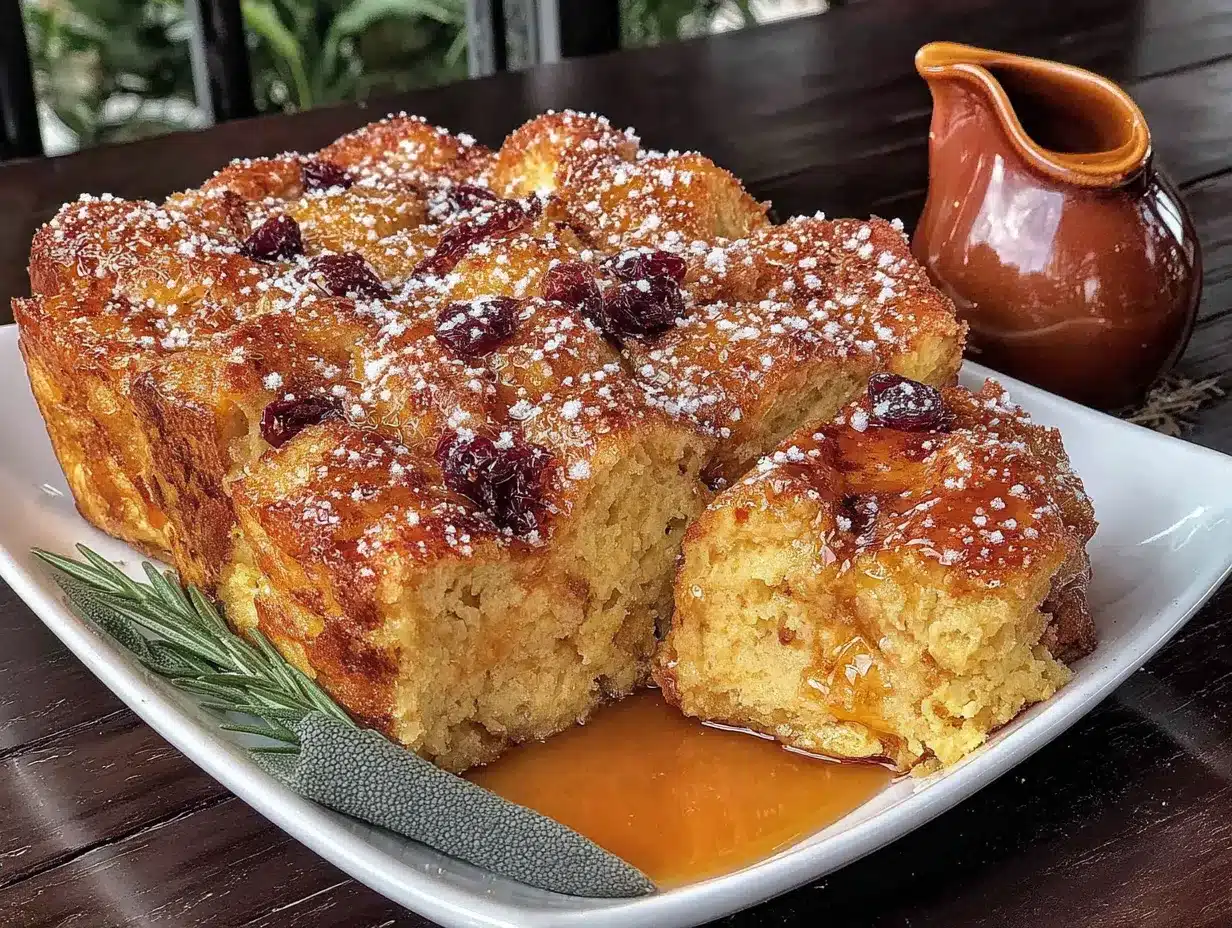
- Drizzle with extra maple syrup and serve warm. A dusting of powdered sugar is optional but makes it look pretty. I like to add a dollop of whipped cream or Greek yogurt for a little tang.
A quick note: if you’re making this for a crowd, you can double the recipe and use a 9×13 baking dish. Just increase the baking time by 5-7 minutes and check for doneness with the knife test. I’ve done this for Thanksgiving morning breakfast, and it was a hit with everyone from toddlers to grandparents.
Cooking Tips & Techniques
After making this recipe more times than I can count, I’ve picked up a few tricks that make a real difference. Here are the ones I wish I’d known from the start:
Don’t over-soak the bread. I made this mistake early on—I let the bread sit in the custard for 10 minutes while I cleaned up the kitchen. The result was a soggy, heavy casserole that didn’t bake through properly. Two to three minutes of soaking is plenty. The bread should be moist but not swimming in liquid.
Use room temperature ingredients. Cold eggs and milk won’t blend as smoothly with the pumpkin, and they’ll take longer to bake. If you forgot to take them out of the fridge, place the eggs in a bowl of warm water for 5 minutes and microwave the milk for 15 seconds. It makes a noticeable difference in the texture.
Toast your spices. This is a pro tip I picked up from a pastry chef friend. Before adding the spices to the custard, heat them in a dry pan over medium heat for 30 seconds until fragrant. It wakes up the essential oils and makes the flavor much more intense. I do this when I’m feeling fancy, and it’s always worth it.
Watch your oven temperature. Every oven runs differently. My old oven ran hot, and I burned the first few batches on the edges while the center was still raw. Now I use an oven thermometer to check the actual temperature. If your casserole is browning too quickly, tent it with foil for the last 5 minutes of baking.
Make it ahead if you’re short on time. You can assemble the casserole the night before, cover it, and refrigerate it. In the morning, just pop it in the oven and add 5 minutes to the baking time. The bread soaks up even more flavor overnight, and you get an extra 10 minutes of sleep. This is my go-to for holiday mornings.
One mistake I still make: Forgetting to grease the dish properly. There’s nothing worse than serving a beautiful casserole that’s stuck to the pan. I now use a pastry brush to coat every corner with butter, and I keep a silicone spatula handy for serving.
Variations & Adaptations
One of the best things about this recipe is how flexible it is. Here are some variations I’ve tried and loved:
Dairy-Free Version: Swap the whole milk for oat milk or almond milk, and use coconut oil instead of butter in the topping. I’ve made this for a friend who’s lactose intolerant, and she couldn’t tell the difference. Just make sure your bread is dairy-free too—some brioche contains butter.
Gluten-Free Option: Use gluten-free bread, preferably a sturdy one like sourdough or a seeded loaf. Gluten-free bread tends to be drier, so you might need to add an extra tablespoon of milk to the custard. I’ve used Canyon Bakehouse gluten-free bread with great results—it holds up well and doesn’t get mushy.
Vegan Adaptation: Replace the eggs with flax eggs (1 tablespoon ground flaxseed + 3 tablespoons water per egg, let sit for 5 minutes) and use plant-based milk and butter. The texture will be slightly less custardy, but it’s still delicious. I’ve tested this with a vegan friend, and she gave it two thumbs up.
Seasonal Twists: In the fall, I add a tablespoon of bourbon or dark rum to the custard for extra warmth. In winter, I swap the maple syrup for molasses and add a pinch of ground ginger. In spring, I top it with fresh berries instead of nuts. The base recipe is so forgiving that you can really play with the flavors.
Savory-Sweet Version: Reduce the maple syrup to 2 tablespoons, omit the brown sugar topping, and add 1/4 teaspoon of black pepper and a pinch of cayenne to the custard. Top with crispy bacon bits and a drizzle of honey. This sounds weird, but trust me—the heat from the pepper plays beautifully with the pumpkin sweetness.
My personal favorite variation? I add a tablespoon of orange zest to the custard and top the finished casserole with a sprinkle of sea salt. The citrus brightens the pumpkin flavor, and the salt makes everything pop. I stumbled on this combination when I had an orange sitting on my counter and decided to experiment. Now I can’t make it any other way.
Serving & Storage Suggestions
This casserole is best served warm, right out of the oven. The contrast between the crispy top and the soft, custardy center is at its peak within the first 10 minutes. I like to serve it with a generous drizzle of maple syrup and a dollop of whipped cream or Greek yogurt. A side of crispy bacon or turkey sausage balances the sweetness nicely, and a cup of hot coffee or spiced chai completes the meal.
If you’re serving this for brunch, set out a small pitcher of extra maple syrup and a bowl of fresh fruit—sliced apples or pears work beautifully with the pumpkin flavor. For a holiday breakfast, I arrange the casserole on a platter with a dusting of powdered sugar and a few fresh sage leaves for color. It looks impressive with almost no extra effort.
Storing leftovers: Cover the baking dish tightly with foil or plastic wrap and refrigerate for up to 3 days. The flavors actually meld together overnight, so leftovers can taste even better the next day. To reheat, place individual portions in the microwave for 30-45 seconds, or warm the entire dish in a 350°F oven for 10 minutes. If you’re reheating in the oven, cover it with foil to prevent the top from burning.
Freezing instructions: This casserole freezes beautifully. Bake it completely, let it cool, then wrap the entire dish in plastic wrap followed by a layer of foil. Freeze for up to 3 months. To serve, thaw overnight in the refrigerator and reheat in a 350°F oven for 15-20 minutes. You can also freeze individual portions in airtight containers for quick breakfasts—just microwave for 60 seconds and you’re good to go.
One thing I’ve noticed: the casserole gets slightly denser after freezing and thawing. The texture is still good, but it’s not quite as light and fluffy as fresh-baked. So if you’re making it for a special occasion, I’d recommend baking it fresh. For everyday breakfasts, the frozen version is perfectly fine.
Nutritional Information & Benefits
Here’s the estimated nutritional breakdown for one serving (based on 6 servings, without the optional nut topping):
| Nutrient | Amount |
|---|---|
| Calories | 285 |
| Total Fat | 9g |
| Saturated Fat | 3.5g |
| Cholesterol | 145mg |
| Sodium | 320mg |
| Total Carbohydrates | 42g |
| Dietary Fiber | 3g |
| Sugars | 18g |
| Protein | 10g |
| Vitamin A | 120% DV |
| Vitamin C | 4% DV |
| Calcium | 10% DV |
| Iron | 15% DV |
Pumpkin is packed with vitamin A, which supports eye health and immune function. It’s also a good source of fiber, which helps keep you full and satisfied. The eggs provide high-quality protein and choline, which is important for brain health. Maple syrup adds antioxidants and minerals like zinc and manganese, though it’s still sugar, so use it in moderation.
This recipe is naturally vegetarian and can be made dairy-free or gluten-free with simple substitutions. It’s not low-carb, but the complex carbohydrates from the bread and pumpkin provide sustained energy. If you’re watching your sugar intake, you can reduce the maple syrup to 2 tablespoons and skip the brown sugar topping—the pumpkin and spices still provide plenty of flavor.
From a wellness perspective, I love that this casserole feels indulgent but isn’t loaded with refined sugar or processed ingredients. It’s the kind of breakfast that fuels you for a busy morning without the crash that comes from sugary cereals or pastries. Plus, it’s made with real food that you can feel good about eating.
Conclusion
This Quick 20-Minute Pumpkin French Toast Casserole is the recipe you’ll turn to again and again when you want something warm, comforting, and effortless. It came from an unexpected source—a mechanic with a napkin—but it’s become a staple in my kitchen for good reason. It’s fast enough for a busy weekday, special enough for a holiday morning, and flexible enough to adapt to whatever you have on hand.
I love this recipe because it proves that you don’t need complicated techniques or fancy ingredients to make something truly delicious. It’s honest food that delivers on flavor without demanding too much of your time or energy. Whether you’re feeding a hungry family, impressing weekend guests, or just treating yourself to a cozy breakfast, this casserole never disappoints.
I’d love to hear how it turns out for you! Leave a comment below with your favorite variation, or tag me in your photos if you share them online. Did you try the orange zest version? The savory-sweet twist? Let me know what worked for you. And if you have a recipe that came from an unexpected source, I’d love to hear that story too. Happy cooking, friends—may your mornings be warm and your coffee strong.
Frequently Asked Questions
Can I make this casserole ahead of time?
Absolutely! Assemble the casserole the night before, cover it, and refrigerate. In the morning, bake it straight from the fridge, adding 5-7 minutes to the baking time. The bread soaks up even more flavor overnight, making it even better.
What’s the best bread to use?
Brioche or challah gives the richest texture, but French bread, sourdough, or even regular sandwich bread work well. The key is using day-old or slightly stale bread so it absorbs the custard without falling apart. Fresh bread can get too soggy.
Can I use pumpkin pie filling instead of pumpkin puree?
I don’t recommend it. Pumpkin pie filling is pre-sweetened and spiced, which will throw off the balance of the recipe. Stick with 100% pumpkin puree and add your own spices—you’ll have much more control over the flavor.
How do I know when the casserole is done?
The top should be golden brown and the center should be set. Give the dish a gentle jiggle—if the center wobbles like liquid, it needs more time. A knife inserted in the middle should come out clean, and the edges will be slightly crispy.
Can I freeze this casserole?
Yes! Bake it completely, let it cool, then wrap it tightly in plastic wrap and foil. Freeze for up to 3 months. Thaw overnight in the refrigerator and reheat in a 350°F oven for 15-20 minutes. Individual portions can be microwaved for 60 seconds.
PrintQuick 20-Minute Pumpkin French Toast Casserole

A quick and easy pumpkin French toast casserole that comes together in just 20 minutes. Perfect for busy mornings, this comforting dish features a crispy top and soft, custardy center with warm pumpkin spice flavor.
- Prep Time: 5 minutes
- Cook Time: 20 minutes
- Total Time: 25 minutes
- Yield: 6 servings 1x
- Category: Breakfast
- Cuisine: American
Ingredients
- 6 cups day-old bread, cubed (brioche, challah, or French bread work best; about half a loaf)
- 4 large eggs, room temperature
- 1 cup whole milk (or any milk you have on hand)
- 1/2 cup pumpkin puree (not pumpkin pie filling)
- 1/4 cup maple syrup (plus more for serving)
- 1 teaspoon vanilla extract
- 1 teaspoon pumpkin pie spice
- 1/2 teaspoon ground cinnamon
- 1/4 teaspoon salt
- 2 tablespoons brown sugar (for topping, optional)
- 1 tablespoon cold butter, cut into small pieces (for topping, optional)
- 1/4 cup chopped pecans or walnuts (for topping, optional)
Instructions
- Preheat your oven to 375°F (190°C). Grease an 8×8 baking dish with butter or non-stick spray.
- Cube your bread into 1-inch pieces. You’ll need about 6 cups total. If your bread is fresh, spread the cubes on a baking sheet and toast them for 5 minutes at 350°F to dry them out slightly.
- In a large mixing bowl, whisk together the eggs, milk, pumpkin puree, maple syrup, and vanilla extract until smooth and fully combined.
- Add the pumpkin pie spice, cinnamon, and salt to the wet mixture. Whisk again until fully incorporated.
- Place the bread cubes in the greased baking dish in an even layer. Don’t pack them down too much.
- Pour the pumpkin custard mixture evenly over the bread cubes. Use a spatula to gently press down on the bread, making sure every piece gets coated. Let it sit for 2-3 minutes so the bread can soak up the liquid.
- If using the topping, mix the brown sugar, cold butter pieces, and nuts in a small bowl. Sprinkle this mixture evenly over the top of the casserole.
- Bake for 18-20 minutes, or until the top is golden brown and the center is set. A knife inserted in the middle should come out clean.
- Let it cool for 2-3 minutes before serving. This allows the custard to finish setting up.
- Drizzle with extra maple syrup and serve warm. A dusting of powdered sugar is optional but makes it look pretty.
Notes
For best results, use day-old bread and room temperature ingredients. Don’t over-soak the bread; 2-3 minutes is plenty. If using a glass baking dish, reduce oven temperature by 25°F. To make ahead, assemble the night before and refrigerate; add 5-7 minutes to baking time. Freezes well for up to 3 months.
Nutrition
- Serving Size: 1 serving (based on
- Calories: 285
- Sugar: 18
- Sodium: 320
- Fat: 9
- Saturated Fat: 3.5
- Carbohydrates: 42
- Fiber: 3
- Protein: 10
Keywords: pumpkin French toast casserole, quick breakfast, fall breakfast, pumpkin recipe, easy French toast casserole


